

Hey there! As a container lock supplier, I often get asked about the locking mechanism of container locks. It's a topic that's not only fascinating but also crucial for anyone involved in shipping, logistics, or simply storing goods in containers. So, let's dive right in and explore what makes these locks tick.
First off, let's understand why container locks are so important. Containers are used to transport all sorts of valuable goods across the globe. From electronics and furniture to food and chemicals, these metal boxes carry a wide range of items that need to be protected from theft and damage. A reliable locking mechanism is the first line of defense in ensuring the security of these goods.
There are several types of container locks available in the market, each with its own unique locking mechanism. Let's take a look at some of the most common ones.
Padlock - Style Container Locks
Padlock - style container locks are one of the most basic and widely used types. They work just like regular padlocks, but they are designed to fit the hasps and locking points on containers. You insert the shackle of the padlock through the holes in the container's locking mechanism and then lock it using a key or a combination.
The locking mechanism inside a padlock usually consists of a series of pins or tumblers. When you insert the correct key, the pins are pushed to the right height, allowing the shackle to be released. If the wrong key is used, the pins won't align properly, and the lock will remain locked.
These locks are relatively easy to use and are a cost - effective option for basic security. However, they may not be the most secure option as they can be picked or cut with the right tools. You can check out our Container Security Lock for more information on high - quality padlock - style container locks.
Bolt - Type Container Locks
Bolt - type container locks are more robust and secure than padlock - style locks. They work by inserting a bolt through the container's locking points and then securing it in place. The bolt is usually operated by a key or a combination mechanism.
Inside a bolt - type lock, there is a gear or a cam system that moves the bolt in and out. When you turn the key or enter the correct combination, the gear or cam rotates, pushing the bolt into the locked position. To unlock, you reverse the process, and the bolt is retracted.
These locks are more resistant to tampering as they are harder to pick or cut. They are often used in high - security applications where the risk of theft is greater. Our Intermodal Container Locks are a great example of bolt - type container locks that offer enhanced security.
Adjustable Container Locks
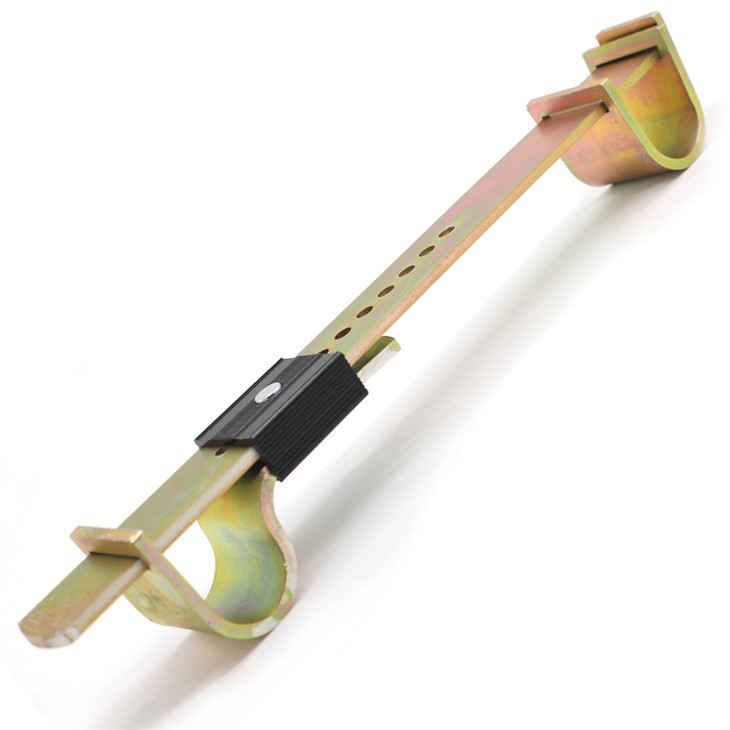
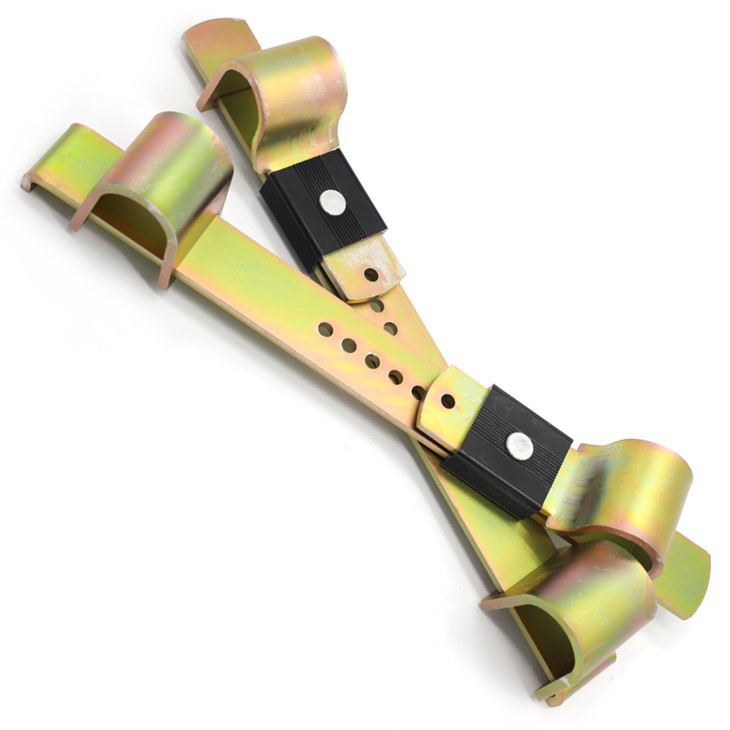
Adjustable container locks are designed to fit different sizes of containers. They have a unique locking mechanism that allows the length of the lock to be adjusted. This is useful when you need to secure containers of various dimensions.
The adjustable feature is usually achieved through a telescopic or a sliding mechanism. The lock can be extended or retracted to fit the container's locking points. Once the correct length is set, the locking mechanism, which could be similar to a bolt - type or a padlock - type mechanism, is engaged to secure the lock.
These locks are very versatile and are a great option for those who deal with different types of containers. Check out our Adjustable Container Lock to see how these locks can provide flexible security solutions.
High - Security Container Locks
High - security container locks are designed to provide the highest level of protection. They often use advanced locking technologies such as electronic keypads, biometric sensors, or RFID (Radio - Frequency Identification) systems.
Electronic keypad locks allow you to enter a unique code to unlock the container. The code is stored in a microcontroller inside the lock, and when the correct code is entered, the lock releases. Biometric sensors, on the other hand, use fingerprint or iris recognition technology to grant access. Only authorized individuals with a registered fingerprint or iris pattern can unlock the container.
RFID - based locks use radio waves to communicate with a tag or a card. When the tag or card is brought close to the lock, the lock reads the information and unlocks if the tag is authorized.
These high - security locks are more expensive but offer a much higher level of security and convenience. They are ideal for transporting high - value goods or in areas with a high risk of theft.
Factors Affecting the Locking Mechanism
Several factors can affect the performance of a container lock's locking mechanism. One of the most important factors is the quality of the materials used. Locks made from high - grade steel or other strong alloys are more likely to withstand tampering and corrosion.
The environment in which the container is stored or transported also plays a role. If the container is exposed to extreme temperatures, humidity, or saltwater, the lock's mechanism may become damaged or corroded over time. This can affect the lock's performance and reduce its security.
Regular maintenance is also crucial for ensuring the proper functioning of the locking mechanism. Locks should be cleaned and lubricated periodically to prevent rust and ensure smooth operation.
Why Choose Our Container Locks
As a container lock supplier, we take pride in offering high - quality locks with reliable locking mechanisms. Our locks are made from the best materials and are designed to meet the highest security standards.
We have a wide range of locks to choose from, whether you need a basic padlock - style lock for everyday use or a high - security electronic lock for valuable cargo. Our team of experts can also provide you with advice on the best lock for your specific needs.
If you're in the market for container locks, don't hesitate to reach out to us. We're here to help you find the perfect locking solution for your containers. Whether you're a small business owner or a large logistics company, we have the right lock for you. Contact us today to start a conversation about your container lock requirements.
References
- "Handbook of Lock Picking" by Deviant Ollam
- "Security Engineering: A Guide to Building Dependable Distributed Systems" by Ross Anderson