

A metal strap seal is a crucial security device used in various industries to safeguard the integrity of shipments and containers. As a prominent supplier of metal strap seals, I've had the privilege of witnessing firsthand the importance of these devices in ensuring the safety and security of goods in transit. In this blog post, I'll delve into the locking mechanism of a metal strap seal, exploring how it works, its features, and why it's a trusted choice for many businesses.
Understanding the Basics of a Metal Strap Seal
Before we dive into the locking mechanism, let's first understand what a metal strap seal is. A metal strap seal consists of a metal strap, usually made of stainless steel or high - strength alloy, and a locking head. The strap is flexible enough to be wrapped around the item or container that needs to be sealed, such as a shipping container, trailer door, or storage bin. The locking head is the part that secures the strap in place, creating an unbreakable bond once locked.
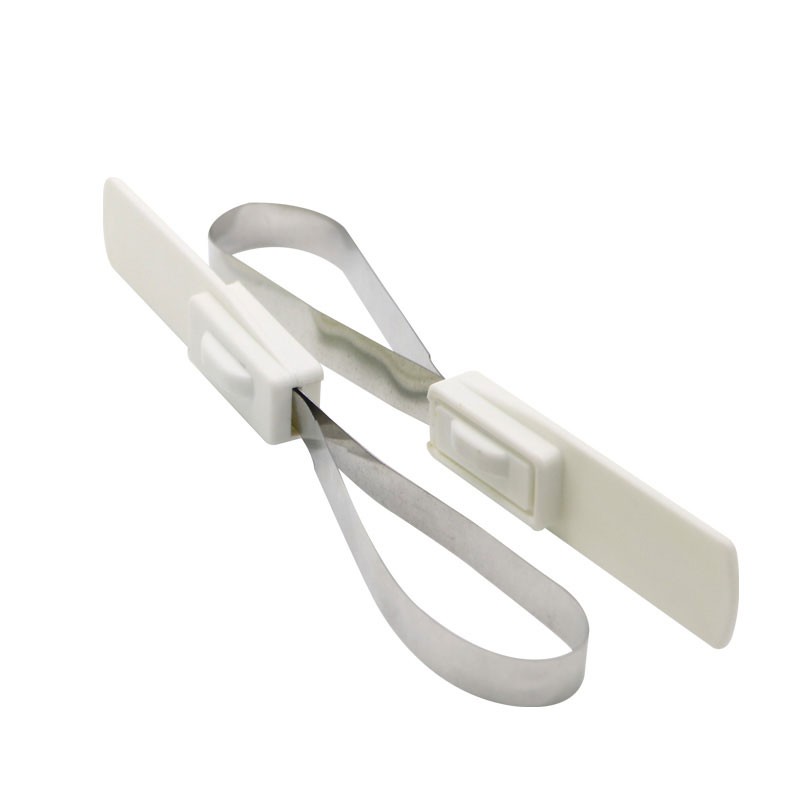
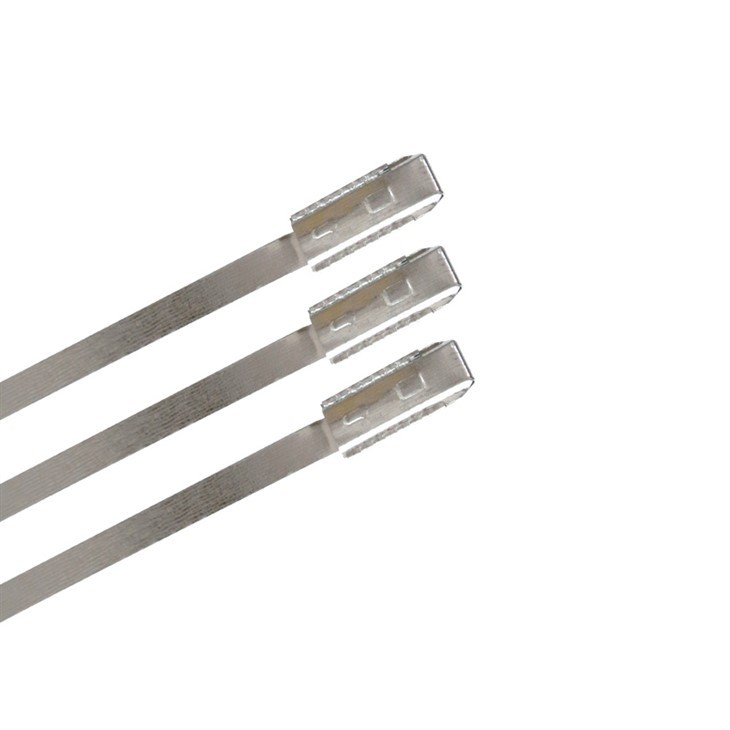
The Locking Process
The locking mechanism of a metal strap seal is designed to be simple yet highly effective. Here's a step - by - step breakdown of how it works:
Step 1: Wrapping the Strap
The first step is to wrap the metal strap around the object or container that you want to seal. This could be a container door, where the strap is threaded through the hasp or locking mechanism of the door. The length of the strap can be adjusted according to the size of the item being sealed.
Step 2: Inserting the Strap into the Locking Head
Once the strap is wrapped around the object, the free end of the strap is inserted into the locking head. The locking head has a specially designed channel or slot that guides the strap in.
Step 3: Locking the Seal
As the strap is pushed further into the locking head, a series of internal components come into play. Inside the locking head, there are teeth or ratchets that engage with the serrations on the metal strap. These teeth are designed to allow the strap to move in one direction (towards tightening) but prevent it from being pulled back out.
Once the strap is tightened to the desired level, the locking mechanism clicks into place, creating a permanent seal. At this point, the seal cannot be removed without breaking it, which provides clear evidence of tampering.
Features of the Locking Mechanism
Tamper - Evident Design
One of the key features of the locking mechanism is its tamper - evident design. The fact that the seal cannot be removed without breaking it means that any attempt to open the container or access the goods inside will be obvious. This is crucial for maintaining the security of high - value or sensitive shipments.
High - Strength Construction
The locking head and the metal strap are made from high - strength materials. Stainless steel, for example, is resistant to corrosion, rust, and physical damage. This ensures that the seal can withstand harsh environmental conditions and physical stress during transit.
Precision Engineering
The internal components of the locking head, such as the teeth and ratchets, are precision - engineered to ensure a secure and reliable lock. The serrations on the metal strap are also carefully designed to match the teeth in the locking head, providing a strong grip.
Applications of Metal Strap Seals
Metal strap seals are used in a wide range of industries, including shipping, logistics, and transportation.
Shipping Containers
In the shipping industry, Container Metal Strap Seal are used to seal shipping containers. These seals are essential for protecting the contents of the container from theft and tampering during long - distance voyages.
Trailers
Metal Trailer Seals are commonly used in the transportation of goods by road. They are used to seal the doors of trailers, ensuring that the cargo remains secure during transit.
Storage Facilities
In storage facilities, Metal Seals For Containers are used to seal storage containers and bins. This helps to prevent unauthorized access to stored items.
Advantages of Using Metal Strap Seals
Security
The primary advantage of using metal strap seals is the high level of security they provide. The tamper - evident design ensures that any attempt to open the seal will be detected, which deters potential thieves and provides peace of mind for businesses.
Durability
Metal strap seals are highly durable. They can withstand extreme temperatures, moisture, and physical impact, making them suitable for use in a variety of environments.
Cost - Effective
Compared to other security devices, metal strap seals are relatively inexpensive. They offer a cost - effective solution for securing shipments and containers without compromising on security.
Why Choose Our Metal Strap Seals
As a supplier of metal strap seals, we take pride in offering high - quality products that meet the strictest security standards. Our seals are manufactured using the latest technology and the highest - quality materials.
We offer a wide range of metal strap seals to suit different applications and requirements. Whether you need a seal for a small container or a large shipping vessel, we have the right product for you.
Our seals are also customizable. We can print serial numbers, barcodes, or company logos on the seals, which helps with tracking and identification.
Contact Us for Your Metal Strap Seal Needs
If you're in the market for reliable and secure metal strap seals, we'd love to hear from you. Our team of experts can provide you with detailed information about our products, help you choose the right seal for your application, and offer competitive pricing. Whether you're a small business looking to secure your local shipments or a large corporation with international shipping needs, we have the solutions to meet your requirements. Contact us today to start the procurement process and ensure the safety and security of your valuable goods.
References
- "Security Seals Handbook" - A comprehensive guide on different types of security seals and their applications.
- Industry standards and regulations related to the use of security seals in shipping and transportation.