

As a supplier of lead seals, I am often asked about the manufacturing capacity of lead seal producers. In this blog post, I will delve into the various aspects that define and influence the manufacturing capacity of lead seal producers, providing insights from my experience in the industry.
Understanding Manufacturing Capacity
Manufacturing capacity refers to the maximum amount of product that a manufacturer can produce within a given period under normal operating conditions. For lead seal producers, this encompasses several factors, including production facilities, technology, labor force, and raw material availability.
Production Facilities
The physical infrastructure of a lead seal production plant is a fundamental determinant of manufacturing capacity. Modern production facilities are equipped with advanced machinery and equipment designed to streamline the manufacturing process. Automated assembly lines can significantly increase the speed and efficiency of lead seal production, allowing producers to meet high - volume orders.
For instance, state - of - the - art die - casting machines can precisely shape lead into the desired seal forms at a rapid pace. These machines are often computer - controlled, ensuring consistent quality and reducing the margin of error. Additionally, the layout of the production floor is optimized for smooth material flow, minimizing bottlenecks and maximizing productivity.
Technology and Innovation
The adoption of new technologies plays a crucial role in enhancing manufacturing capacity. Advanced manufacturing technologies, such as 3D printing and laser engraving, are increasingly being integrated into the lead seal production process. 3D printing allows for the rapid prototyping of new seal designs, enabling producers to quickly respond to customer requests for custom - made seals. Laser engraving, on the other hand, provides a high - precision method for marking seals with unique identification numbers, logos, or other information, which is essential for anti - tampering and traceability purposes.
Moreover, software systems are used to manage production schedules, inventory, and quality control. These systems help producers optimize their operations, ensuring that resources are allocated efficiently and production targets are met.
Labor Force
A skilled and experienced labor force is another key factor in determining manufacturing capacity. Lead seal production requires workers with a range of skills, from machine operators to quality control inspectors. Well - trained employees can operate complex machinery effectively, troubleshoot problems quickly, and maintain high - quality standards throughout the production process.
Producers often invest in training programs to keep their workforce up - to - date with the latest manufacturing techniques and technologies. This not only improves the quality of the products but also increases the overall productivity of the production facility.
Raw Material Availability
The availability of raw materials, primarily lead, is a critical constraint on manufacturing capacity. Lead is a finite resource, and its supply can be affected by various factors, such as mining production, global demand, and environmental regulations. Producers need to establish reliable supply chains to ensure a steady flow of raw materials.
In addition to lead, other materials such as plastics and metals may be used in the production of lead seals. These materials are also subject to market fluctuations, and producers need to manage their inventory carefully to avoid production delays.
Factors Affecting Production Volume
Several external and internal factors can influence the actual production volume of lead seal producers, despite their theoretical manufacturing capacity.
Market Demand
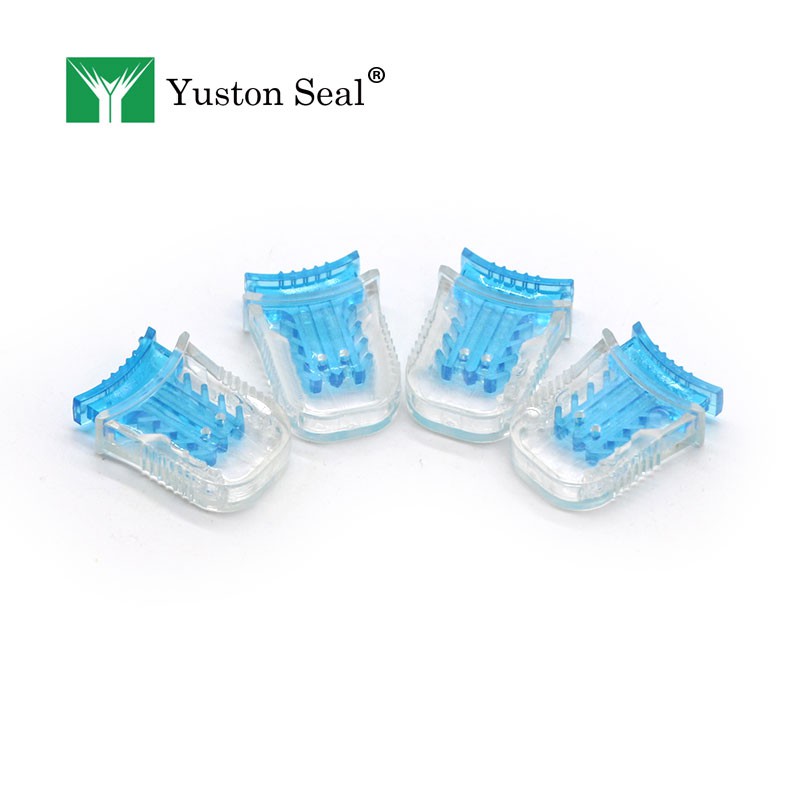
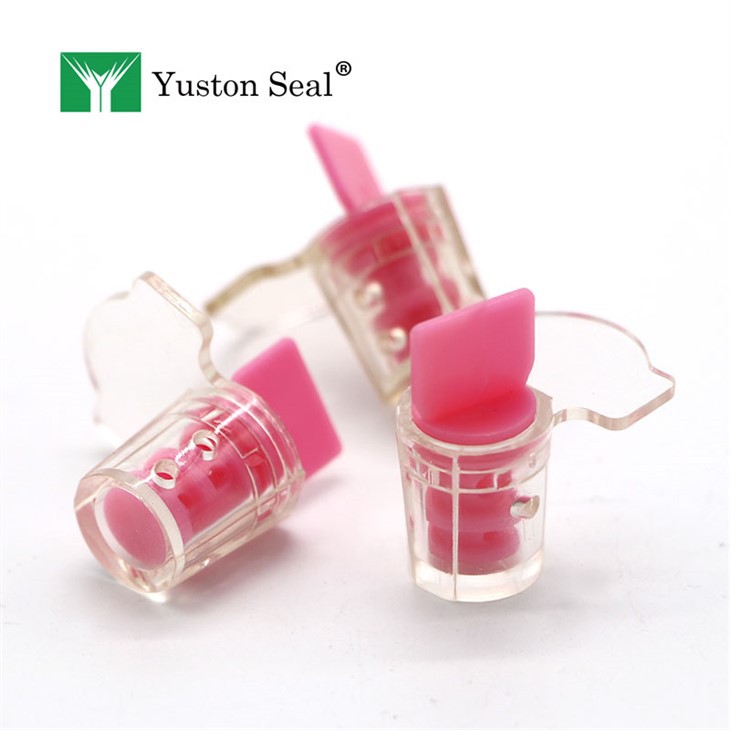
Market demand is perhaps the most significant factor affecting production volume. The demand for lead seals is closely related to industries such as utilities, transportation, and logistics, where they are used for metering, security, and anti - tampering purposes. For example, the growth of the electricity sector drives the demand for Electric Meter Seal. When the demand is high, producers may increase their production volume to meet market needs. Conversely, during periods of low demand, producers may scale back production to avoid overstocking.
Seasonal Variations
Seasonal variations can also impact production volume. In some industries, the demand for lead seals may be higher during certain times of the year. For example, in the utility sector, there may be a peak in demand for Tamper Proof Meter Seals during the installation and maintenance seasons. Producers need to plan their production schedules accordingly to ensure that they can meet these seasonal demands.
Quality Control Requirements
Stringent quality control requirements can limit production volume. Lead seals are often used in applications where reliability and security are of utmost importance. Therefore, producers need to conduct thorough inspections at every stage of the production process to ensure that the seals meet the required standards. This can slow down the production process, especially when dealing with high - volume orders.
Measuring Manufacturing Capacity
To accurately assess their manufacturing capacity, lead seal producers use various methods and metrics.
Capacity Utilization Rate
The capacity utilization rate is a commonly used metric to measure how effectively a producer is using its manufacturing capacity. It is calculated by dividing the actual production volume by the maximum production capacity and multiplying by 100%. A high capacity utilization rate indicates that the producer is operating close to its maximum capacity, while a low rate may suggest underutilization of resources.
Throughput Time
Throughput time is another important metric that measures the time it takes for a product to move through the entire production process, from raw material intake to finished product output. A shorter throughput time indicates a more efficient production process, which can increase the overall manufacturing capacity.
Our Company's Manufacturing Capacity
As a Lead Seal supplier, we have made significant investments in our production facilities, technology, and workforce to ensure a high level of manufacturing capacity. Our state - of - the - art production plant is equipped with the latest machinery and equipment, allowing us to produce a large volume of lead seals with consistent quality.
We have a team of highly skilled and experienced employees who are trained to operate our advanced production systems. Our quality control department conducts rigorous inspections at every stage of the production process to ensure that our products meet the highest standards.
In terms of raw material management, we have established long - term partnerships with reliable suppliers to ensure a stable supply of lead and other materials. This enables us to maintain a high production volume even during periods of market volatility.
Conclusion
The manufacturing capacity of lead seal producers is determined by a complex interplay of factors, including production facilities, technology, labor force, and raw material availability. While theoretical capacity provides an upper limit, actual production volume is influenced by market demand, seasonal variations, and quality control requirements.
As a lead seal supplier, we are committed to continuously improving our manufacturing capacity to meet the evolving needs of our customers. We invest in the latest technologies, train our workforce, and manage our raw material supply chains carefully to ensure that we can provide high - quality lead seals in a timely manner.
If you are interested in purchasing lead seals or have any questions about our products and services, we invite you to contact us for a procurement discussion. We look forward to working with you to meet your lead seal requirements.
References
- "Manufacturing Operations Management: Principles and Practice" by Thomas A. Foster
- Industry reports on the lead seal market and related industries