

What is the packaging of container plastic seals like?
As a leading supplier of container plastic seals, I often get asked about the packaging of these essential security items. The packaging of container plastic seals is not just about putting them in a box; it's a crucial aspect that ensures their quality, protection, and ease of use. In this blog post, I'll delve into the details of how container plastic seals are typically packaged, the reasons behind specific packaging choices, and how it impacts your overall experience.
The Basics of Container Plastic Seal Packaging
Container plastic seals come in various shapes, sizes, and designs, each tailored to specific applications. The packaging is designed to accommodate these differences while maintaining the integrity of the seals. Most commonly, container plastic seals are packaged in boxes or bags made of durable materials such as cardboard or plastic. These containers are chosen for their ability to protect the seals from damage during transportation and storage.
The number of seals per package can vary depending on the type and size of the seals. For smaller plastic seals, such as those used for identification or light security applications, packages may contain dozens or even hundreds of seals. On the other hand, larger and more heavy-duty seals, like those used for shipping containers, may be packaged in smaller quantities, typically ranging from 10 to 50 seals per box.
Packaging for Protection
One of the primary functions of packaging is to protect the container plastic seals from damage. During transit, seals can be exposed to various hazards, including impact, vibration, and moisture. To mitigate these risks, packaging materials are carefully selected to provide a cushioning effect and prevent the seals from shifting or colliding with each other.
Cardboard boxes are a popular choice for packaging container plastic seals due to their strength and durability. They can be designed with internal dividers or compartments to keep the seals organized and prevent them from rubbing against each other. Additionally, cardboard boxes can be lined with protective materials such as foam or bubble wrap to further absorb shock and protect the seals from scratches and dents.
Plastic bags are another common packaging option, especially for smaller seals. They are lightweight, flexible, and provide a good barrier against moisture and dust. Plastic bags can be sealed using heat or zip ties to ensure that the seals remain secure during storage and transportation. Some plastic bags may also be printed with product information, such as the seal type, size, and quantity, for easy identification.
Packaging for Organization and Identification
In addition to protection, packaging also plays a crucial role in organizing and identifying container plastic seals. With a wide range of seal types and sizes available, it's essential to have a clear and efficient way to distinguish between them. Packaging materials can be designed to include labels, markings, or color-coding to make it easier for users to identify the seals they need.
Labels are a simple yet effective way to provide important information about the seals, such as the seal number, serial number, and batch number. This information can be used for tracking and tracing purposes, ensuring that the seals can be easily identified and verified if needed. Color-coding is another useful technique that can be used to differentiate between different types of seals or to indicate their level of security.
Packaging for Ease of Use
The packaging of container plastic seals should also be designed with ease of use in mind. Seals need to be easily accessible and ready to use when needed. Packaging materials can be designed with features such as tear strips, easy-open tabs, or resealable closures to make it convenient for users to access the seals without the need for additional tools or equipment.
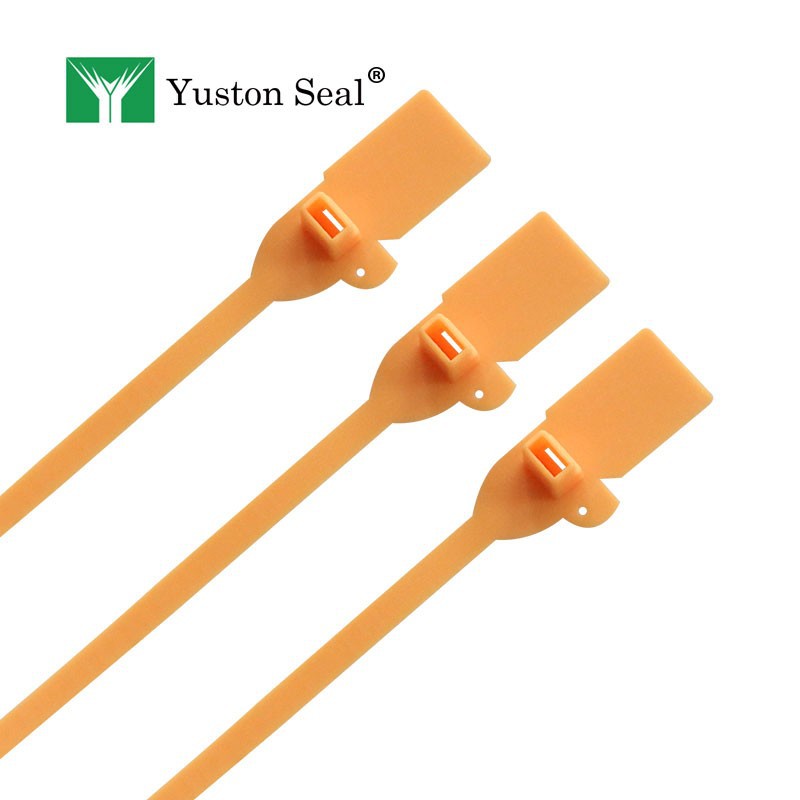
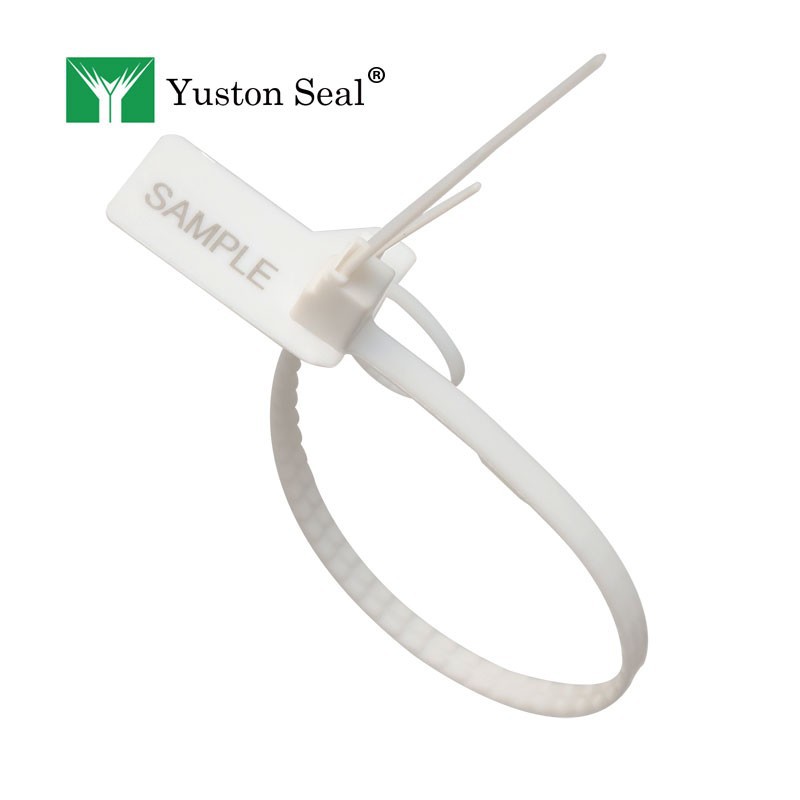
For example, some plastic bags may be designed with a perforated tear strip that allows users to easily open the bag and access the seals. Similarly, cardboard boxes can be designed with a flap or lid that can be easily opened and closed, providing quick and easy access to the seals. Resealable closures, such as zip ties or Velcro, can also be used to ensure that the packaging can be reused and the remaining seals can be stored safely.
Specialized Packaging for Specific Applications
In some cases, container plastic seals may require specialized packaging to meet the specific needs of certain applications. For example, seals used in the food and beverage industry may need to be packaged in materials that are compliant with food safety regulations. These materials are typically made of food-grade plastics or other non-toxic materials to ensure that they do not contaminate the products being sealed.
Seals used in the aviation industry, such as Airline Plastic Seals, may require packaging that meets strict security and safety standards. These seals are often packaged in tamper-evident containers or envelopes to ensure that they cannot be opened or tampered with without leaving visible signs of damage.
The Importance of Packaging in the Supply Chain
The packaging of container plastic seals is not just important for the end-user; it also plays a crucial role in the supply chain. Proper packaging ensures that the seals are delivered to the customer in good condition, reducing the risk of damage and returns. It also helps to streamline the logistics process, making it easier to handle, store, and transport the seals.
In addition, packaging can also have an impact on the environment. As a responsible supplier, we are committed to using sustainable packaging materials wherever possible. This includes using recycled materials, reducing the amount of packaging waste, and ensuring that our packaging is recyclable or biodegradable.
Conclusion
In conclusion, the packaging of container plastic seals is a critical aspect that should not be overlooked. It plays a vital role in protecting the seals, organizing and identifying them, and making them easy to use. By choosing the right packaging materials and design, we can ensure that our customers receive high-quality seals that are ready to use and meet their specific needs.
If you're in the market for container plastic seals, we invite you to explore our wide range of products, including Plastic Seal With Number Fuel Tankers and Plastic Seal Tags. Our seals are available in various types, sizes, and designs to suit your specific requirements. Contact us today to discuss your needs and learn more about how we can provide you with the best container plastic seals and packaging solutions.
References
- Packaging Handbook, edited by Hanser Gardner Publications
- ASTM International Standards for Packaging Materials and Testing
- ISO Standards for Packaging and Logistics