

What is the weight of metal trailer seals?
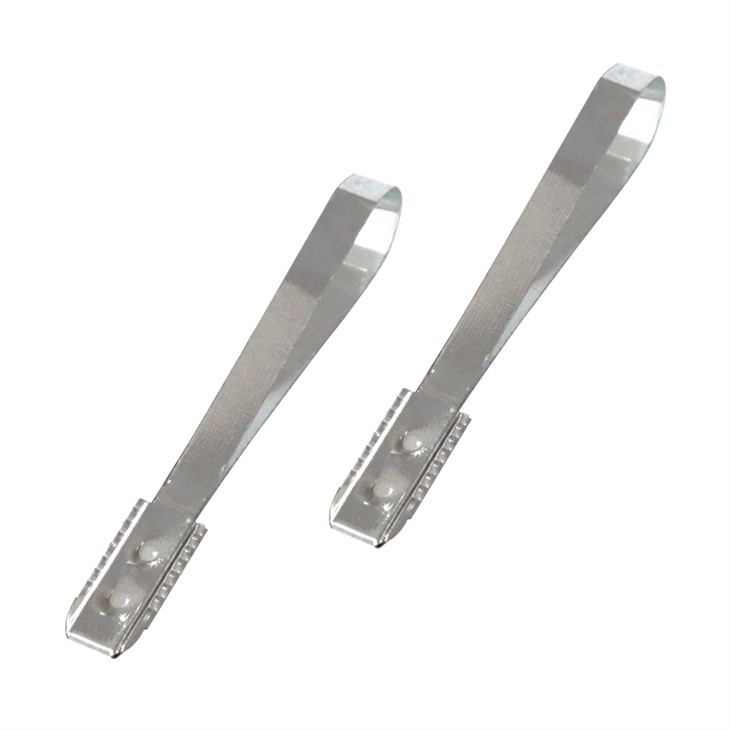
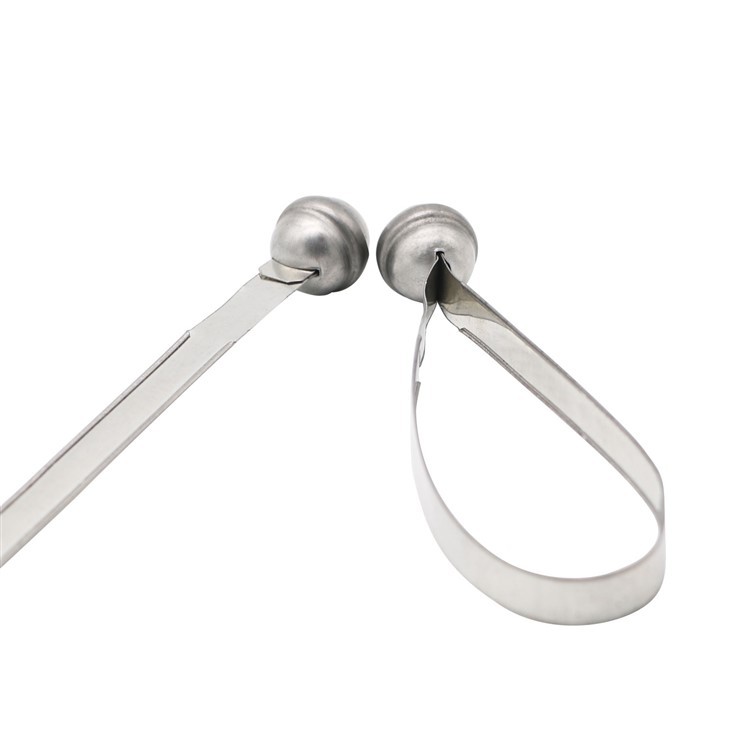
As a supplier of Metal Trailer Seals, I often get asked about the weight of these essential security devices. The weight of metal trailer seals is a topic that might seem trivial at first glance, but it actually holds significant importance in various aspects of transportation and security.
Understanding the Basics of Metal Trailer Seals
Metal trailer seals are used to secure trailers, containers, and other transport units. They act as a physical barrier, preventing unauthorized access and tampering during transit. These seals come in different shapes, sizes, and materials, each designed to meet specific security requirements. The most common types of metal trailer seals include bolt seals, cable seals, and strap seals.
Factors Affecting the Weight of Metal Trailer Seals
Several factors determine the weight of metal trailer seals.
Material
The type of metal used in the seal is the primary factor influencing its weight. Common metals used in the production of metal trailer seals include steel, aluminum, and brass. Steel is a heavy - duty material that offers high strength and durability. Seals made from steel are generally heavier than those made from other metals. For example, a steel bolt seal might weigh significantly more than an aluminum one of similar size. Aluminum, on the other hand, is lightweight and corrosion - resistant. It is often used when weight reduction is a priority, such as in applications where fuel efficiency is crucial. Brass is another option, known for its aesthetic appeal and moderate strength. It falls between steel and aluminum in terms of weight.
Design and Size
The design and size of the seal also play a crucial role in determining its weight. Larger seals with more complex designs will naturally weigh more than smaller, simpler ones. For instance, a Round Head Metal Strap Seal with a thick strap and a large head will be heavier than a standard - sized metal strap seal with a thinner strap. Similarly, a multi - component seal with additional locking mechanisms or features will add to the overall weight.
Additional Features
Some metal trailer seals come with additional features such as tamper - evident markings, serial numbers, or RFID tags. These features, while enhancing security and traceability, can also contribute to the weight of the seal. For example, a seal with a large, engraved serial number plate or an embedded RFID chip might be slightly heavier than a basic seal without these features.
Importance of the Weight of Metal Trailer Seals
The weight of metal trailer seals has several implications in the transportation and security industries.
Security
In terms of security, a heavier seal can sometimes be an advantage. A heavier seal is often more difficult to break or tamper with, as it requires more force to cut or damage. For example, a thick, heavy steel bolt seal can provide a higher level of security compared to a lightweight aluminum seal. However, it's important to note that the weight alone is not the only factor determining security. The design, material quality, and locking mechanism also play significant roles.
Transportation Efficiency
On the other hand, weight can have a negative impact on transportation efficiency. In the shipping and logistics industry, every extra pound of weight can increase fuel consumption and transportation costs. This is especially important for long - distance transportation or when shipping large volumes of goods. Therefore, choosing the right weight of metal trailer seals is crucial to balance security needs with transportation efficiency. For example, in a fleet of trailers that make frequent long - haul trips, using lightweight aluminum seals instead of heavy steel ones can result in significant fuel savings over time.
Handling and Installation
The weight of the seal also affects its handling and installation. Heavier seals can be more difficult to handle, especially for workers who need to install and remove them frequently. This can lead to increased physical strain and potential safety risks. Lighter seals, on the other hand, are easier to handle and can improve the overall efficiency of the sealing process.
Typical Weight Ranges of Metal Trailer Seals
The weight of metal trailer seals can vary widely depending on the factors mentioned above.
Bolt Seals
Steel bolt seals can range from around 50 grams for smaller, basic models to over 200 grams for larger, heavy - duty ones. Aluminum bolt seals are generally lighter, with weights typically ranging from 20 grams to 100 grams.
Cable Seals
Cable seals usually have a more flexible weight range. A standard steel cable seal might weigh between 10 grams and 50 grams, depending on the length and thickness of the cable. Aluminum cable seals can be even lighter, often weighing less than 10 grams.
Strap Seals
Metal Trailer Seals, which are a type of strap seal, can vary in weight based on the width and thickness of the strap. A thin - strap metal trailer seal might weigh around 5 grams, while a thick - strap seal could weigh up to 20 grams or more.
Choosing the Right Weight of Metal Trailer Seals
When choosing the right weight of metal trailer seals for your specific needs, it's important to consider the following:
Security Requirements
Assess the level of security required for your transportation. If you are shipping high - value or sensitive goods, a heavier and more robust seal might be necessary. However, if the risk of tampering is relatively low, a lighter seal could be sufficient.
Transportation Conditions
Consider the transportation conditions, including the distance, mode of transportation, and any weight restrictions. For long - distance shipping or when weight limits are a concern, lightweight seals are a better choice.
Handling and Installation
Think about how the seals will be handled and installed. If your workers need to install and remove the seals frequently, lighter seals will be more convenient and reduce the risk of physical strain.
Conclusion
The weight of metal trailer seals is a complex topic that is influenced by multiple factors such as material, design, and additional features. Understanding the importance of seal weight in terms of security, transportation efficiency, and handling is crucial for making the right choice. Whether you need a heavy - duty steel seal for maximum security or a lightweight aluminum seal for better transportation efficiency, we, as a Metal Trailer Seals supplier, can provide you with a wide range of options to meet your specific needs.
If you are interested in learning more about our Metal Container Seals or have any questions about the weight and suitability of our seals for your applications, please reach out to us for a detailed discussion. We are here to help you select the most appropriate seals for your transportation and security requirements.
References
- Industry reports on transportation security and seal manufacturing
- Technical specifications of metal trailer seal products from leading manufacturers.