

As a supplier of lead seals, I often encounter various inquiries from customers regarding the properties and applications of our products. One question that has come up frequently is: Are lead seals resistant to UV radiation? In this blog post, I will delve into this topic, exploring the science behind lead seals' resistance to UV radiation, their implications for different industries, and how our company can provide the best solutions for your sealing needs.
Understanding Lead Seals
Before we discuss the resistance of lead seals to UV radiation, let's first understand what lead seals are and their common uses. Lead seals are typically made of lead or a lead alloy and are used to secure items such as containers, meters, and equipment. They serve as a visible indication of tampering, ensuring the integrity and security of the sealed item. Lead seals are widely used in industries such as utilities, transportation, and manufacturing.
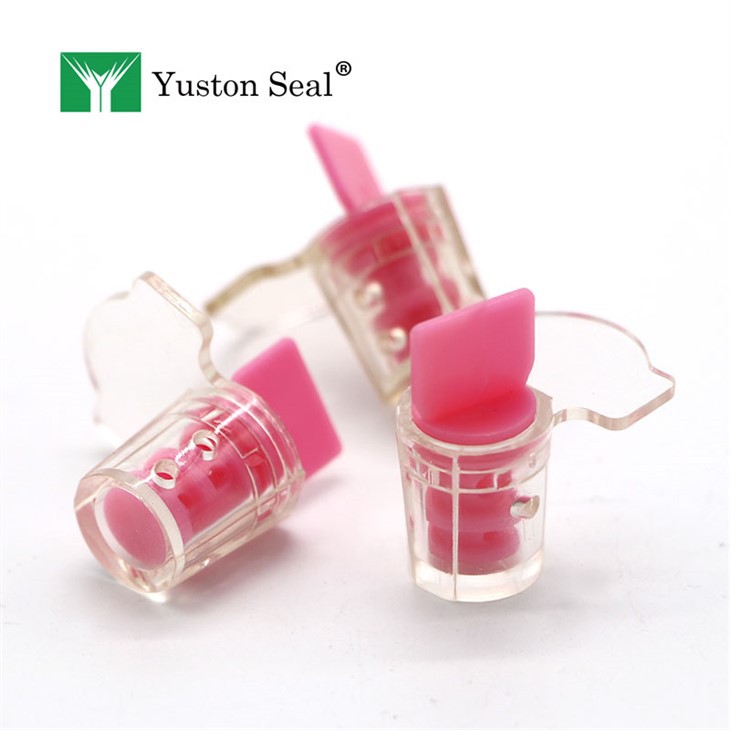
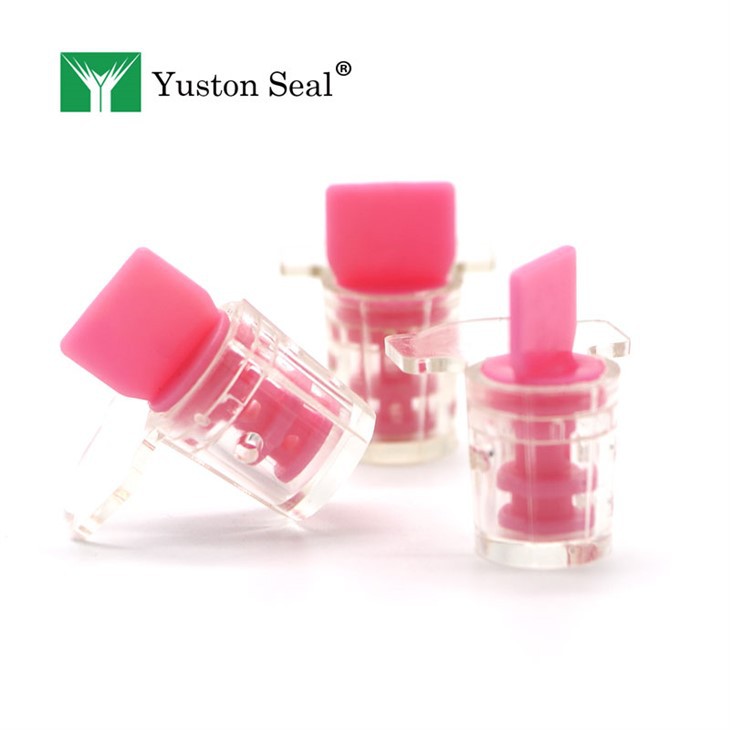
In the utility sector, for example, lead seals are commonly used to secure Electric Meter Seal and Gas Meter Security Seals. These seals prevent unauthorized access to the meters, ensuring accurate billing and preventing fraud. In the transportation industry, lead seals are used to secure shipping containers, ensuring that the contents remain intact during transit.
The Impact of UV Radiation on Materials
UV radiation, which is part of the electromagnetic spectrum, can have a significant impact on various materials. When materials are exposed to UV radiation, they can undergo a process called photodegradation. This process involves the breaking of chemical bonds in the material, leading to changes in its physical and chemical properties. Over time, photodegradation can cause materials to become brittle, discolored, and weakened, reducing their effectiveness and lifespan.
The extent to which a material is affected by UV radiation depends on several factors, including the type of material, the intensity and duration of UV exposure, and the presence of any additives or coatings that can protect the material. For example, some plastics are more susceptible to UV radiation than others, and certain pigments can enhance a material's resistance to UV degradation.
Are Lead Seals Resistant to UV Radiation?
Lead, as a metal, has inherent properties that make it relatively resistant to UV radiation. Unlike many plastics and organic materials, lead does not contain the chemical bonds that are easily broken by UV radiation. Therefore, lead seals are not prone to the same type of photodegradation that affects other materials.
However, it's important to note that while lead itself is resistant to UV radiation, the overall performance of a lead seal can still be affected by other factors. For example, if the lead seal has a coating or marking that is not UV-resistant, the coating or marking may fade or degrade over time when exposed to UV radiation. Additionally, the environment in which the lead seal is used can also play a role. If the lead seal is exposed to high levels of humidity or other corrosive substances in addition to UV radiation, it may be more likely to experience corrosion or other forms of damage.
Applications and Considerations
In applications where lead seals are exposed to sunlight or other sources of UV radiation, it's important to consider the long-term performance of the seals. For outdoor applications, such as securing utility meters or shipping containers, the lead seals should be able to withstand the effects of UV radiation over an extended period.
To ensure the best performance of lead seals in UV-exposed environments, our company offers lead seals with UV-resistant coatings and markings. These coatings and markings are specifically designed to resist fading and degradation when exposed to UV radiation, ensuring that the seals remain visible and legible for as long as possible.
In addition to UV resistance, our lead seals are also designed to meet other important requirements, such as high tensile strength, tamper-evidence, and ease of application. We understand that different industries have different needs, and we work closely with our customers to provide customized solutions that meet their specific requirements.
Why Choose Our Lead Seals
As a leading Lead Seal supplier, we are committed to providing high-quality products and excellent customer service. Our lead seals are manufactured using the latest technology and highest quality materials, ensuring their reliability and durability.
We offer a wide range of lead seals in different sizes, shapes, and colors to meet the diverse needs of our customers. Whether you need a small lead seal for a utility meter or a large lead seal for a shipping container, we have the right solution for you.
In addition to our standard product offerings, we also provide custom lead seals with personalized markings and designs. This allows you to add your company logo, serial number, or other information to the lead seal, enhancing its security and traceability.
Contact Us for Your Sealing Needs
If you are in need of lead seals or have any questions about their resistance to UV radiation, we encourage you to contact us. Our team of experts is available to provide you with detailed information about our products and to help you choose the best solution for your specific needs.
Whether you are a utility company, a transportation provider, or a manufacturer, we can offer you the high-quality lead seals that you need to ensure the security and integrity of your operations. Don't hesitate to reach out to us to discuss your sealing requirements and to start a partnership that will benefit your business.
References
- ASTM International. (20XX). Standard test methods for evaluating the effects of environmental factors on materials.
- National Institute of Standards and Technology. (20XX). Handbook on the properties of metals and alloys.
- International Maritime Organization. (20XX). Guidelines for the use of security seals in shipping.