

Are lead seals suitable for long - term storage?
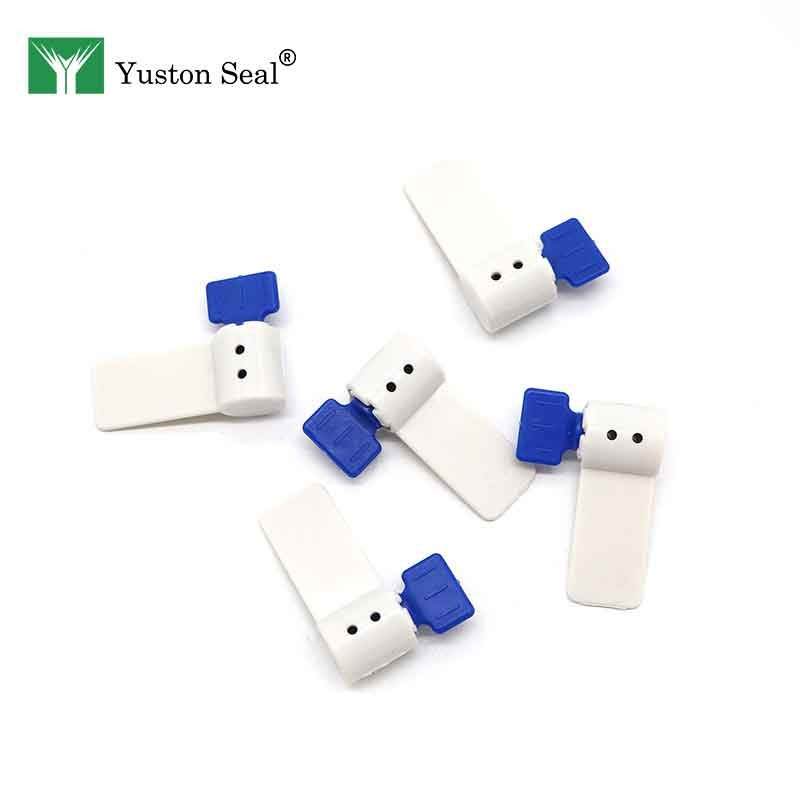
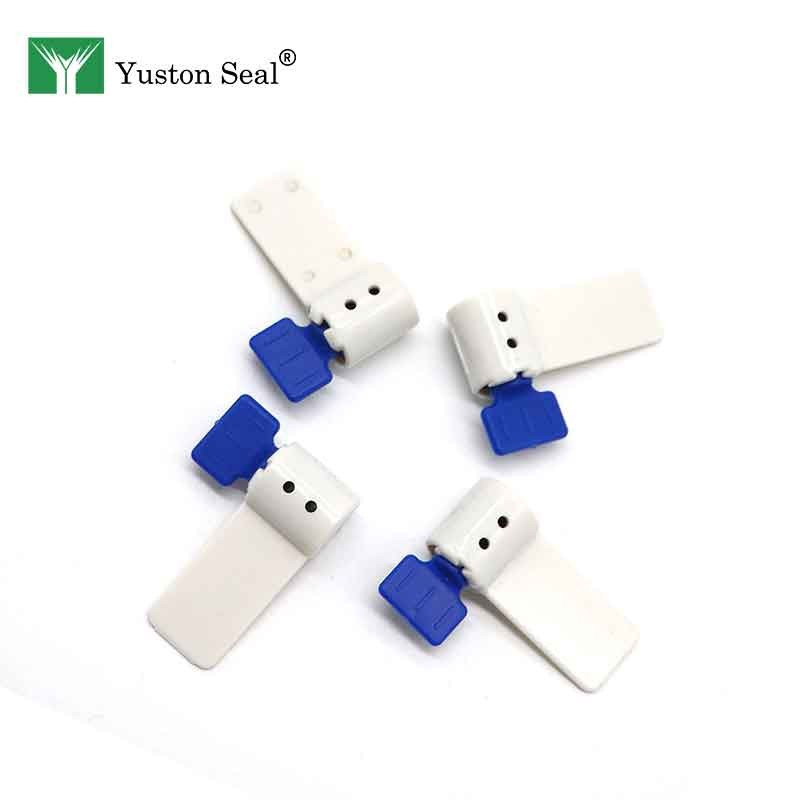
As a supplier of lead seals, I've often been asked whether lead seals are a good choice for long - term storage. This is a question that requires a comprehensive analysis, taking into account various factors such as the nature of lead, environmental conditions, and the items being sealed.
The Properties of Lead
Lead is a dense, soft, and malleable metal. These properties make lead seals relatively easy to manufacture. When a lead seal is applied, it can be easily deformed around a locking mechanism or a container opening, creating a tight and secure fit. The malleability also allows for unique markings to be pressed onto the surface of the seal, which can be used for identification and anti - counterfeiting purposes.
However, lead has some inherent chemical properties that may pose challenges in long - term storage. Lead is a reactive metal, especially in the presence of certain substances. For example, lead can react with sulfur compounds in the air to form lead sulfide, which appears as a dark, powdery coating on the surface of the lead seal. This reaction can gradually erode the seal over time, potentially compromising its integrity.
In addition, lead is soluble in some acidic solutions. If the storage environment has a high level of acidity, either due to natural factors such as acidic soil or man - made factors like industrial pollution, the lead seal may dissolve or corrode. This can lead to the seal losing its shape and function, and in extreme cases, the sealed item may become unsecured.
Environmental Conditions
The environment in which lead seals are stored plays a crucial role in determining their suitability for long - term use. In a dry, clean, and well - ventilated environment, lead seals can last for a relatively long time. The low humidity reduces the risk of corrosion, and the absence of pollutants minimizes the chance of chemical reactions.
On the other hand, a humid environment can accelerate the corrosion process. Water can act as a medium for chemical reactions, facilitating the oxidation of lead. If there are also other contaminants in the air, such as salts or heavy metals, the corrosion rate can be even higher. For example, in coastal areas where the air contains a high concentration of salt, lead seals may corrode more quickly than in inland areas.
Temperature also affects the performance of lead seals. Extreme temperatures can cause the lead to expand or contract. In cold temperatures, lead becomes more brittle, which may lead to cracking. In high - temperature environments, lead may soften and lose its shape, especially if the temperature approaches its melting point (327.46 °C).
Items Being Sealed
The type of items being sealed is another important consideration. For some items, lead seals are an ideal choice for long - term storage. For example, in the electrical industry, lead seals are commonly used to seal electrical meters. These seals provide a visible indication of whether the meter has been tampered with. Since electrical meters are usually installed in relatively stable indoor environments, the risk of lead seal corrosion is relatively low. You can find more information about Meter Seal Security Electric on our website.
In the shipping and logistics industry, lead seals are used to secure containers. However, the containers are often exposed to various environmental conditions during transportation. If the journey involves passing through areas with high humidity, extreme temperatures, or industrial pollution, the lead seals may be at risk of damage. In such cases, alternative sealing solutions may need to be considered.
Alternatives to Lead Seals
In recent years, due to concerns about the environmental and health impacts of lead, as well as its potential limitations in long - term storage, alternative sealing materials have emerged. One such alternative is plastic. Plastic Meter Security Seal offers several advantages over lead seals. Plastic is lightweight, corrosion - resistant, and can be produced in a variety of colors and shapes. It is also less harmful to the environment and human health.
However, plastic seals also have their drawbacks. They may not be as strong as lead seals in some cases, especially when it comes to withstanding physical force. And in high - temperature environments, plastic may deform or melt.
Our Lead Seals
At our company, we are committed to providing high - quality lead seals. Our Lead Seal products are manufactured using advanced technology to ensure their durability and reliability. We take into account the potential challenges in long - term storage and have developed processes to enhance the performance of our lead seals.
We coat our lead seals with a protective layer to reduce the risk of corrosion. This layer acts as a barrier between the lead and the external environment, preventing chemical reactions from occurring. We also conduct strict quality control during the manufacturing process to ensure that each seal meets our high standards.
Conclusion
So, are lead seals suitable for long - term storage? The answer is that it depends. In some cases, where the storage environment is favorable and the requirements for seal strength and security are high, lead seals can be a good choice. However, in harsh environments or when environmental and health concerns are a priority, alternative sealing solutions may be more appropriate.
If you are considering using lead seals for your long - term storage needs, or if you have any questions about our lead seal products, we encourage you to contact us for a detailed discussion. Our team of experts is ready to provide you with professional advice and help you make the best decision for your specific situation.
References
- "Corrosion of Metals" by Uhlig, H. H.
- "Materials Science and Engineering: An Introduction" by Callister, W. D.
- Industry reports on sealing technologies and materials.