

As a dedicated supplier of stainless steel ties, I've often been asked whether these versatile products can be used in automotive applications. The short answer is yes, and in this blog post, I'll explore the reasons why stainless steel ties are a great fit for the automotive industry, their various applications, and the benefits they offer.
Why Stainless Steel Ties?
Stainless steel is a remarkable material known for its exceptional properties. It is highly resistant to corrosion, which is crucial in automotive environments where exposure to moisture, road salts, and chemicals is common. Unlike plastic ties that may degrade over time, stainless steel ties can withstand harsh conditions, ensuring long - term reliability.
Another key advantage of stainless steel is its strength. Automotive applications often require components that can handle significant stress and vibration. Stainless steel ties have high tensile strength, which means they can securely hold cables, wires, hoses, and other parts in place, even under extreme conditions.
Applications in the Automotive Industry
Cable Management
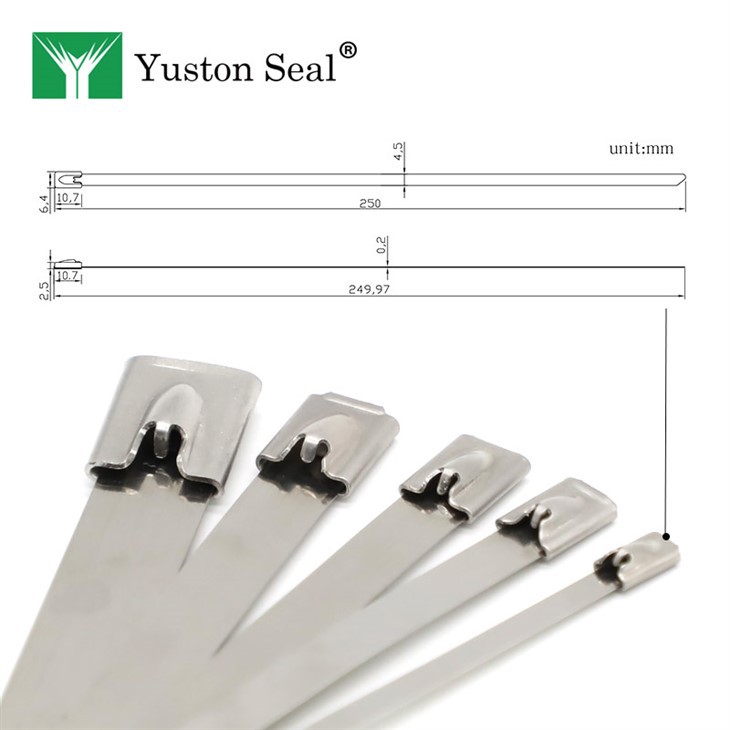
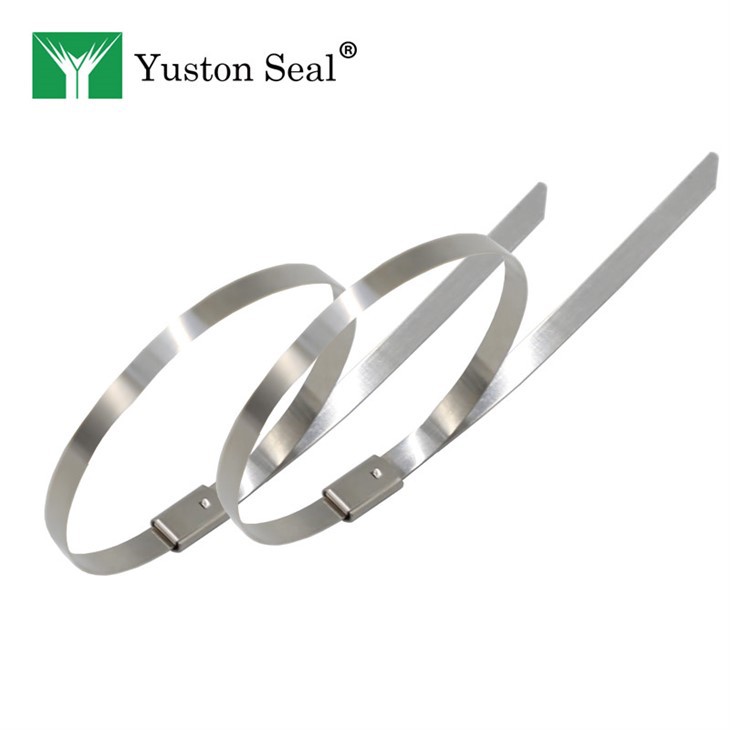
In modern vehicles, there are countless electrical cables that need to be organized and secured. Stainless steel ties are an ideal solution for cable management. They can be used to bundle wires together, preventing them from tangling and reducing the risk of short - circuits. The high - strength nature of stainless steel ensures that the cables remain in place, even when the vehicle is in motion and experiencing vibrations. For example, in the engine compartment, where temperatures can be high and vibrations are intense, stainless steel ties can keep the electrical wiring organized and protected. You can find a wide range of suitable products at Stainless Steel Cable Ties.
Hose Securement
Automotive hoses are used to transport fluids such as coolant, fuel, and hydraulic fluid. These hoses need to be securely fastened to prevent leaks. Stainless steel ties provide a reliable way to secure hoses to their respective fittings. Their corrosion resistance is particularly important in this application, as hoses are often exposed to fluids that can cause corrosion over time. By using stainless steel ties, you can ensure that the hoses remain firmly attached, reducing the risk of fluid leaks that could damage the vehicle or pose a safety hazard.
Trim and Panel Attachment
Stainless steel ties can also be used for attaching interior and exterior trim panels in vehicles. They offer a discreet and secure way to hold panels in place. Compared to traditional fasteners, stainless steel ties are often easier to install and can be adjusted if needed. In addition, their corrosion - resistant properties ensure that they won't rust or degrade over time, maintaining the appearance and integrity of the vehicle's trim.
Locking and Securing Components
Stainless Steel Locking Wire Ties are specifically designed for applications where a high level of security is required. In the automotive industry, they can be used to lock components in place, preventing them from coming loose due to vibrations or external forces. For example, they can be used to secure nuts and bolts on critical components, ensuring that they remain tightened and functioning properly.
Benefits of Using Stainless Steel Ties in Automotive Applications
Durability
As mentioned earlier, stainless steel is extremely durable. It can withstand high temperatures, harsh chemicals, and physical wear and tear. This durability means that stainless steel ties have a long service life, reducing the need for frequent replacements. In the automotive industry, where reliability is key, the long - lasting nature of stainless steel ties is a significant advantage.
Cost - Effectiveness
While the initial cost of stainless steel ties may be higher than that of plastic ties, their long - term cost - effectiveness is undeniable. Since they don't need to be replaced as often, they can save money in the long run. Additionally, their reliability reduces the risk of costly repairs due to component failures caused by loose or damaged ties.
Environmental Resistance
Automotive vehicles are exposed to a wide range of environmental conditions, from extreme cold to high heat, and from salt - laden roads to chemical spills. Stainless steel ties are resistant to all these environmental factors, making them a suitable choice for any automotive application. They won't break down or lose their strength in the face of these challenges, ensuring the continued performance of the vehicle.
Considerations When Using Stainless Steel Ties in Automotive Applications
Size and Strength
It's important to choose the right size and strength of stainless steel ties for the specific automotive application. For heavier cables or hoses, a thicker and stronger tie may be required. It's also essential to ensure that the tie is installed correctly to achieve the desired level of security.
Compatibility
When using stainless steel ties in contact with other materials, such as aluminum or copper, it's important to consider the potential for galvanic corrosion. In some cases, it may be necessary to use a non - conductive coating or insulation to prevent this type of corrosion.
Conclusion
In conclusion, stainless steel ties are an excellent choice for a wide range of automotive applications. Their durability, strength, and corrosion resistance make them well - suited to the demanding conditions of the automotive industry. Whether it's for cable management, hose securement, trim attachment, or locking components, stainless steel ties can provide a reliable and long - lasting solution.
If you're in the automotive industry and looking for high - quality stainless steel ties, we are here to help. We offer a comprehensive range of products, including Metal Cable Ties, to meet your specific needs. Contact us today to discuss your requirements and explore how our stainless steel ties can enhance the performance and reliability of your automotive applications.
References
- "Automotive Materials Handbook: Properties, Selection, and Applications" by ASM International.
- "Corrosion Resistance of Stainless Steels" by George S. Cole.