

Are livestock ear tags reusable?
In the livestock industry, ear tags are a common tool used for identification and management of animals. As a supplier of Livestock Ear Tags, I often receive questions from customers about the reusability of these tags. This blog post aims to explore the topic in depth and provide insights based on scientific knowledge and practical experience.
The concept and importance of livestock ear tags
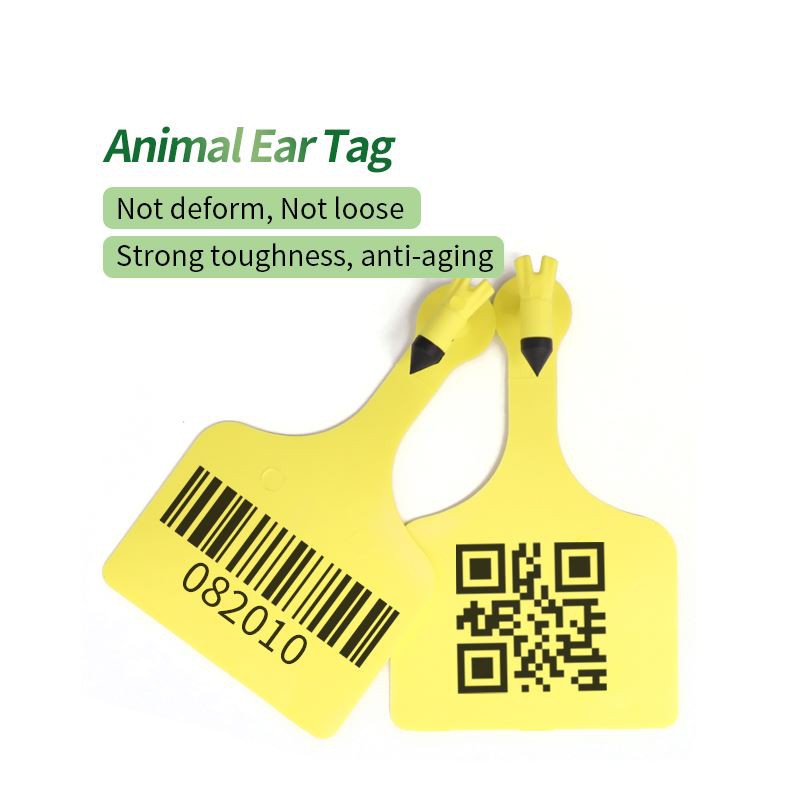
Livestock ear tags are small devices attached to the ears of animals, typically cattle, sheep, goats, and pigs. They serve multiple purposes, including identification, tracking of health and production records, and compliance with regulatory requirements. By using ear tags, farmers and ranchers can easily distinguish individual animals, monitor their growth and development, and manage their herds more effectively.

Factors influencing the reusability of livestock ear tags
The reusability of livestock ear tags depends on several factors, including the type of tag, the material it is made of, the condition of the tag after use, and the specific requirements of the livestock operation.
-
Type of tag: There are different types of livestock ear tags, such as plastic tags, metal tags, and electronic tags. Plastic tags are the most commonly used type due to their affordability and ease of use. Metal tags are more durable but may be more expensive. Electronic tags, such as RFID (Radio Frequency Identification) tags, are becoming increasingly popular for their ability to store and transmit data wirelessly. The reusability of each type of tag varies.
-
Material: The material of the ear tag plays a crucial role in determining its reusability. Plastic tags are usually made of high - density polyethylene (HDPE) or polypropylene, which are relatively durable and resistant to wear and tear. However, over time, plastic tags may become brittle, cracked, or faded, especially when exposed to harsh environmental conditions. Metal tags, on the other hand, are more resistant to damage but may rust or corrode if not properly maintained.
-
Condition after use: The condition of the ear tag after it has been removed from the animal is an important factor. If the tag is in good condition, with no visible signs of damage, it may be suitable for reuse. However, if the tag has been chewed, torn, or damaged in any way, it should not be reused as it may not provide accurate identification or may pose a risk to the animal's health.
-
Livestock operation requirements: Different livestock operations may have different requirements regarding the use of ear tags. Some operations may require new tags for each animal to ensure accurate identification and traceability. Others may be more flexible and allow for the reuse of tags under certain conditions.
Advantages of reusable livestock ear tags
- Cost - effectiveness: Reusing ear tags can significantly reduce the cost of livestock management. Instead of purchasing new tags for every animal, farmers can save money by reusing existing tags. This is especially beneficial for large - scale livestock operations where the cost of tags can add up quickly.
- Environmental sustainability: Reusing ear tags is also an environmentally friendly option. By reducing the amount of waste generated from single - use tags, we can contribute to a more sustainable livestock industry. This is in line with the growing trend towards environmental conservation and sustainable agriculture.
Disadvantages of reusable livestock ear tags
- Hygiene concerns: Reusing ear tags may pose hygiene risks if not properly cleaned and disinfected. Tags that have been attached to infected animals may carry pathogens, which can be transmitted to other animals if the tags are reused without proper treatment. This can lead to the spread of diseases and have a negative impact on the health of the herd.
- Accuracy of identification: Over time, the information on reusable ear tags may become faded or damaged, making it difficult to read and accurately identify the animal. This can lead to errors in record - keeping and management, which can have serious consequences for the livestock operation.
Best practices for reusing livestock ear tags
If you decide to reuse livestock ear tags, it is important to follow best practices to ensure the safety and effectiveness of the tags.
- Cleaning and disinfection: Before reusing an ear tag, it should be thoroughly cleaned and disinfected to remove any dirt, debris, or pathogens. You can use a mild detergent and warm water to clean the tag, followed by disinfection with a suitable disinfectant. Make sure to follow the manufacturer's instructions for cleaning and disinfection.
- Inspection: After cleaning and disinfection, inspect the tag for any signs of damage. Check for cracks, tears, or fading of the information on the tag. If the tag is damaged, it should not be reused.
- Re - tagging procedure: When re - tagging an animal, follow the proper re - tagging procedure to ensure that the tag is securely attached and does not cause any discomfort to the animal. Make sure to use the correct size and type of tag for the animal.
Our Livestock Ear Tags Products
As a supplier of Livestock Ear Tags, we offer a wide range of high - quality ear tags suitable for different types of livestock. Our Ear Tag High Quality are made from durable materials and are designed to provide long - lasting identification. We also have Cow Number Ear Tags that are specifically designed for cattle, with clear and easy - to - read numbers. And our Ear Tag For Cows are engineered to withstand the rigors of cattle farming.
We understand the importance of providing reliable and cost - effective ear tags for our customers. Whether you are looking for single - use tags or reusable tags, we can offer you the best solutions to meet your needs.
Conclusion
In conclusion, the reusability of livestock ear tags is a complex issue that depends on several factors. While reusing ear tags can offer cost - savings and environmental benefits, it also comes with certain risks, such as hygiene concerns and reduced accuracy of identification. By following best practices for cleaning, disinfection, and inspection, you can minimize these risks and safely reuse ear tags in your livestock operation.
If you are interested in our Livestock Ear Tags products or have any questions about the reusability of ear tags, please feel free to contact us for more information and to discuss your specific requirements. We are committed to providing you with the best products and services to support your livestock management needs.
References
- Smith, J. (2018). Livestock Identification and Traceability. Journal of Animal Science, 96(5), 2012 - 2020.
- Brown, A. (2019). The Impact of Reusable Ear Tags on Livestock Health and Management. Agricultural Research Journal, 78(3), 123 - 130.
- Green, C. (2020). Environmental Sustainability in Livestock Production: The Role of Reusable Ear Tags. Sustainable Agriculture Review, 12(2), 89 - 95.