

Hey there! As a supplier of metal strap seals, I often get asked whether these seals are suitable for use in salt - water environments. It's a great question, and in this blog, I'll break down the ins and outs of using metal strap seals in such conditions.
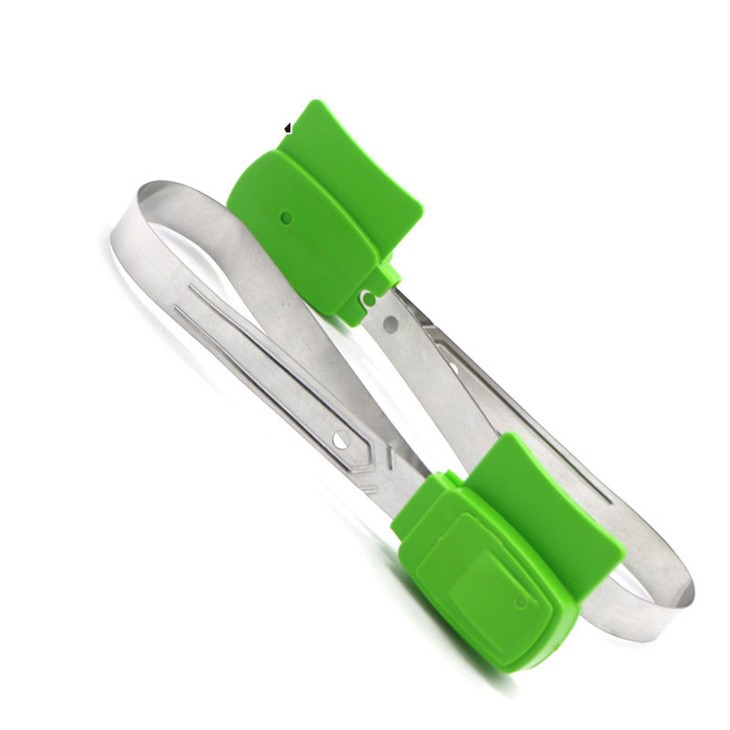
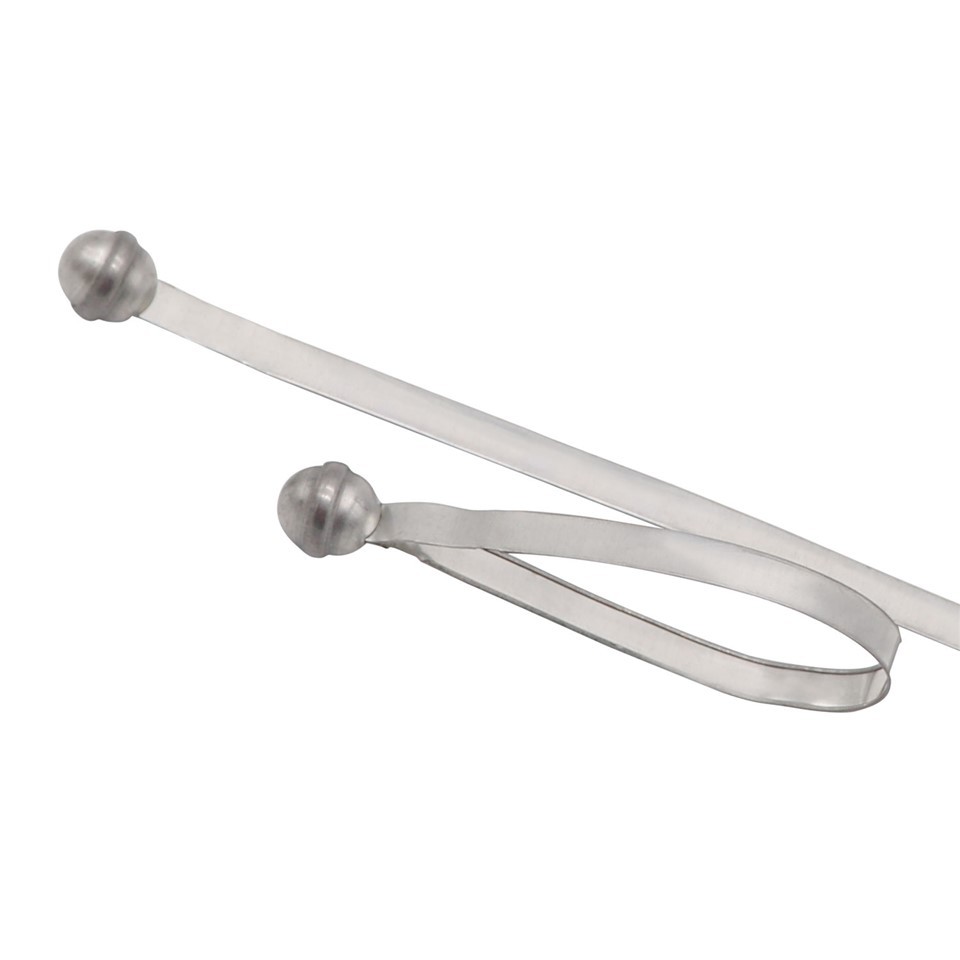
First off, let's talk about what metal strap seals are. Metal strap seals are used in a variety of industries to secure containers, trailers, and other equipment. They're made of metal, usually steel or stainless steel, and are designed to be tough and durable. You can check out our different types of metal strap seals on our website. For instance, we have Metal Container Seals, which are perfect for sealing shipping containers, and Round Head Metal Strap Seal, which offer a unique design for specific applications. There are also Metal Trailer Seals for those who need to secure trailers.
Now, let's dive into the salt - water environment. Salt water is a harsh medium. It contains a high concentration of salts, mainly sodium chloride, which can cause corrosion. Corrosion is a big deal because it can weaken the metal over time, reducing the effectiveness of the seal. When metal corrodes, it starts to break down, and holes or cracks can form. This means that the seal might not be able to keep its integrity, and it could fail to secure the container or equipment properly.
The type of metal used in the strap seal plays a crucial role. Regular steel is not a great choice for salt - water environments. It's highly susceptible to rusting. Rust is a form of corrosion that occurs when iron in the steel reacts with oxygen and water. In a salt - water environment, the presence of salt speeds up this process. The salt acts as an electrolyte, which allows the electrons to flow more easily between the metal and the oxygen in the water. This results in faster rusting and a shorter lifespan for the seal.
On the other hand, stainless steel is a much better option. Stainless steel contains chromium, which forms a thin, protective layer on the surface of the metal. This layer, called a passive film, prevents oxygen and water from reaching the underlying metal, thus protecting it from corrosion. However, not all stainless steels are created equal. Some grades of stainless steel are more resistant to corrosion in salt - water than others. For example, austenitic stainless steels like 316 and 316L are known for their good corrosion resistance in marine environments. They have a higher percentage of molybdenum, which enhances their ability to withstand the corrosive effects of salt water.
Another factor to consider is the design of the metal strap seal. A well - designed seal should minimize the areas where water can accumulate. Water that sits on the metal for long periods can increase the risk of corrosion. Seals with smooth surfaces and no crevices or gaps are less likely to trap water. Also, the way the seal is installed matters. If it's not installed correctly, water can seep in and cause problems. For example, if the seal is not tightened properly, there could be gaps where water can enter.
In addition to the material and design, maintenance also plays a part. Regular inspections are a must. You need to check the seals for any signs of corrosion, such as rust spots or discoloration. If you notice any issues, it's important to replace the seal as soon as possible. Cleaning the seals can also help. You can use a mild detergent and water to clean off any salt or debris that might be on the surface. This can prevent the build - up of corrosive substances.
Let's talk about some real - world applications. In the shipping industry, metal strap seals are used to secure shipping containers on cargo ships. These ships are constantly exposed to salt water, both from the sea spray and from being in direct contact with the ocean. Using the right type of metal strap seal is essential to ensure the security of the cargo. If a seal fails due to corrosion, it could lead to unauthorized access to the container, which is a big security risk.
In the oil and gas industry, metal strap seals are used to secure equipment on offshore platforms. These platforms are in a harsh salt - water environment 24/7. The seals need to be able to withstand the corrosive effects of the salt water for long periods. If they don't, it could lead to equipment failure, which can be extremely costly.
So, are metal strap seals suitable for use in salt - water environments? The answer is yes, but with some conditions. If you choose the right type of metal, like high - quality stainless steel, and ensure proper design, installation, and maintenance, metal strap seals can work well in salt - water environments.
If you're in the market for metal strap seals for a salt - water application, don't hesitate to reach out. We have a wide range of metal strap seals that are designed to meet different needs. Whether you're in the shipping, oil and gas, or any other industry, we can help you find the right seal for your situation. Contact us to start the procurement process and let's work together to ensure the security of your equipment and cargo.
References
- Jones, D. A. (1992). Principles and Prevention of Corrosion. Prentice Hall.
- Uhlig, H. H., & Revie, R. W. (1985). Corrosion and Corrosion Control: An Introduction to Corrosion Science and Engineering. Wiley.