

Hey there! As a nylon cable tie supplier, I often get asked, "Are nylon cable ties flammable?" It's a super important question, especially when you're using these little guys in all sorts of settings. So, let's dive right in and break it down.
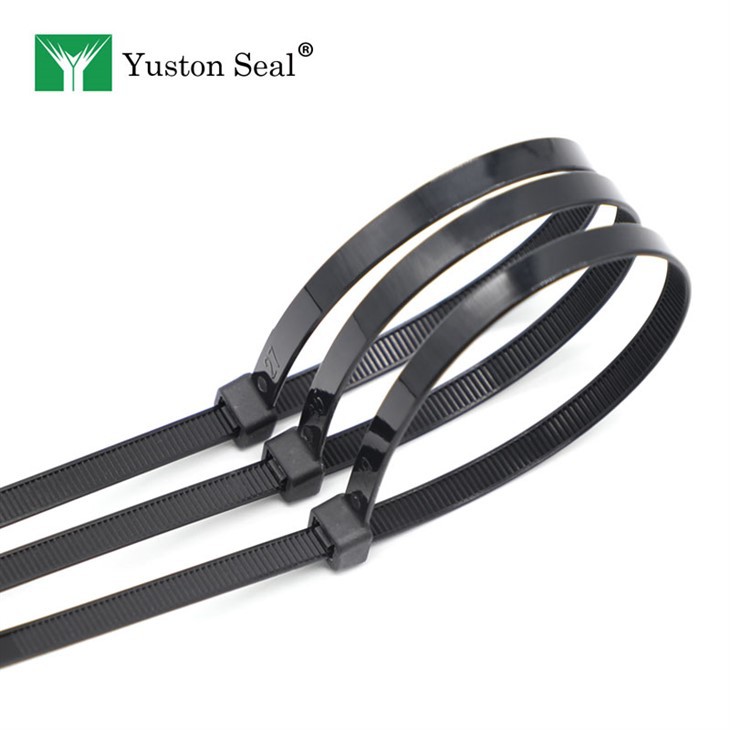
First off, what are nylon cable ties? Well, they're those handy little plastic strips you use to bundle things up, whether it's wires, cables, or even some DIY projects. They're super popular because they're strong, flexible, and easy to use. You can find them in different sizes and colors, like the Plastic Cable Tie, White Plastic Cable Ties, and Small Plastic Cable Ties.
Now, back to the burning question (pun intended) - are they flammable? The short answer is yes, nylon cable ties are flammable. Nylon is a type of plastic, and like most plastics, it can catch fire under the right conditions. But it's not as simple as that. There are a few factors that come into play when it comes to how easily they'll burn.
One of the main factors is the type of nylon used. There are different grades of nylon, and some are more resistant to fire than others. For example, some nylon cable ties are made with flame-retardant additives. These additives help to slow down the burning process and reduce the risk of a fire spreading. So, if you're in an environment where fire safety is a concern, it's a good idea to look for cable ties that are labeled as flame-retardant.
Another factor is the thickness of the cable tie. Thicker cable ties generally take longer to catch fire and burn more slowly than thinner ones. This is because there's more material to heat up and break down before the tie starts to burn. So, if you're looking for a more fire-resistant option, you might want to consider using thicker cable ties.
The temperature and duration of exposure to heat also play a role. If a nylon cable tie is exposed to a high enough temperature for a long enough time, it will eventually catch fire. But if the heat source is removed quickly, the tie might not burn at all or might only smolder. For example, if a cable tie accidentally comes into contact with a hot surface for a few seconds, it might just melt a little bit, but it probably won't catch fire.
So, what does this mean for you as a user? Well, it's important to use nylon cable ties safely. Here are a few tips:
- Avoid using cable ties near open flames or other high-temperature sources. This includes things like heaters, stoves, and soldering irons.
- If you're using cable ties in an area where there's a risk of fire, choose flame-retardant cable ties. These can help to reduce the risk of a fire starting or spreading.
- Don't overload the cable ties. If you try to bundle too many cables or objects together with a single tie, it can put extra stress on the tie and make it more likely to break or melt.
- Store cable ties in a cool, dry place away from heat sources. This can help to prevent them from deteriorating over time and becoming more flammable.
As a supplier, I understand the importance of providing high-quality, safe products. That's why we offer a range of nylon cable ties, including flame-retardant options. We also make sure to test our products to ensure that they meet the relevant safety standards.
If you're in the market for nylon cable ties, whether it's for a small DIY project or a large industrial application, we'd love to help. We have a wide selection of sizes, colors, and types to choose from, so you're sure to find the right cable ties for your needs. Just reach out to us, and we can discuss your requirements and help you find the best solution.
In conclusion, nylon cable ties are flammable, but with the right precautions and the use of flame-retardant options, you can use them safely. By understanding the factors that affect their flammability and following some simple safety tips, you can minimize the risk of a fire and get the most out of your cable ties.
If you have any more questions about nylon cable ties or their flammability, feel free to ask. We're here to help you make the best choice for your needs. And if you're ready to place an order or just want to learn more about our products, don't hesitate to get in touch. We're always happy to have a chat and discuss your procurement options.
References
- "Plastics and Fire Safety" - Journal of Fire Science
- "Nylon Properties and Applications" - Polymer Science Handbook