

As a supplier of plastic meter seals, I often encounter questions from customers regarding the suitability of our products in various environments. One of the most frequent inquiries is whether plastic meter seals can be used in high - temperature environments. In this blog post, I will delve into this topic, exploring the factors at play, the performance of plastic meter seals under high - temperature conditions, and the implications for their use.
Understanding Plastic Meter Seals
Plastic meter seals are widely used in a variety of industries, including utilities, transportation, and manufacturing. They serve as a crucial security measure, preventing unauthorized access to meters and ensuring the integrity of the measurement data. These seals come in different types, such as Electric Meter Seal, Electric Twist Meter Seal, and Electric Meter Box Seal, each designed to meet specific application requirements.
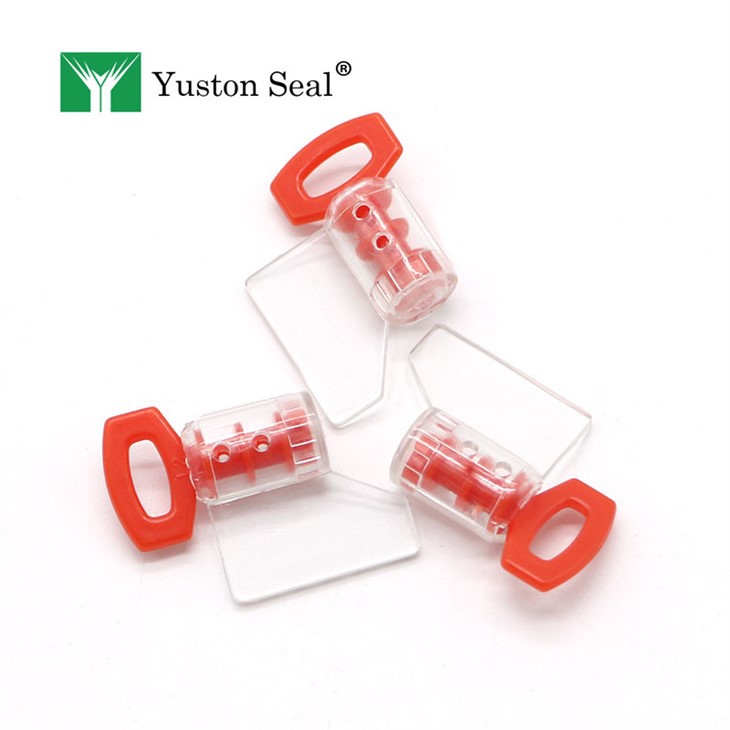
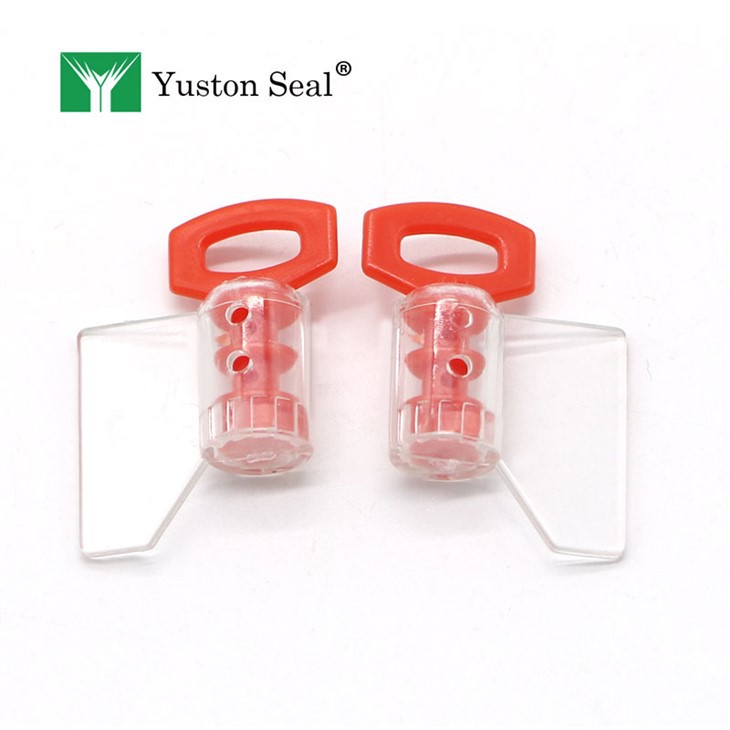
The materials used in plastic meter seals typically include polycarbonate, polypropylene, and polyethylene. These plastics are chosen for their durability, flexibility, and cost - effectiveness. However, their performance can be significantly affected by environmental factors, especially temperature.
The Impact of High Temperature on Plastic Meter Seals
High temperatures can have several adverse effects on plastic meter seals. One of the primary concerns is thermal expansion. As the temperature rises, plastics tend to expand. This expansion can cause the seal to loosen, compromising its security function. A loose seal may allow unauthorized access to the meter, leading to potential tampering or inaccurate readings.
Another issue is the softening of the plastic. At elevated temperatures, plastics can become more malleable. This softening can make the seal easier to break or manipulate. For example, if a seal becomes too soft, it may be possible to bend or stretch it without leaving obvious signs of tampering.
In addition, high temperatures can accelerate the degradation of plastics. Exposure to heat can cause chemical reactions within the plastic, leading to a breakdown of its molecular structure. This degradation can result in a loss of strength and durability over time, reducing the lifespan of the seal.
Factors Affecting the Performance of Plastic Meter Seals in High - Temperature Environments
The performance of plastic meter seals in high - temperature environments depends on several factors:
- Material Composition: Different plastics have different heat resistance properties. For instance, polycarbonate generally has a higher heat resistance compared to polyethylene. Suppliers often use additives or modifiers to enhance the heat resistance of the plastic. These additives can help to improve the seal's ability to withstand high temperatures without significant deformation or degradation.
- Temperature Range: The maximum temperature that the seal will be exposed to is a critical factor. Short - term exposure to moderately high temperatures may not cause significant damage, while long - term exposure to extreme temperatures can have a more severe impact. For example, a seal that can withstand temperatures up to 60°C for a few hours may fail if exposed to the same temperature for several days.
- Duration of Exposure: The length of time the seal is exposed to high temperatures also matters. Prolonged exposure to heat can gradually weaken the plastic, even if the temperature is not extremely high. On the other hand, a brief spike in temperature may not cause permanent damage if the seal has sufficient time to cool down.
- Environmental Conditions: Other environmental factors, such as humidity and sunlight, can interact with high temperatures to affect the performance of the seal. For example, high humidity can accelerate the degradation of plastics in the presence of heat. Sunlight, which contains ultraviolet (UV) radiation, can also cause additional damage to the plastic, especially when combined with high temperatures.
Testing and Certification
To ensure the reliability of plastic meter seals in high - temperature environments, suppliers conduct various tests. These tests simulate real - world conditions to evaluate the seal's performance under high - temperature stress.
One common test is the heat aging test. In this test, the seals are placed in an oven at a specific temperature for a set period. After the test, the seals are examined for signs of deformation, degradation, or loss of strength. If the seals pass the heat aging test, they are considered to have a certain level of heat resistance.
Certification bodies also play an important role in ensuring the quality of plastic meter seals. For example, some seals may be certified to meet specific industry standards for high - temperature applications. These certifications provide customers with confidence in the performance of the seals in challenging environments.
Applications in High - Temperature Environments
Despite the challenges posed by high temperatures, plastic meter seals can still be used in certain high - temperature applications. For example, in some industrial settings where the temperature is moderately high (e.g., up to 50 - 60°C), plastic meter seals with appropriate heat - resistant properties can provide a cost - effective and reliable solution.
In addition, in some outdoor applications where the seals are exposed to sunlight and heat during the day but have a chance to cool down at night, plastic meter seals can also be suitable. However, it is important to select the right type of seal and ensure proper installation to minimize the impact of high temperatures.
Choosing the Right Plastic Meter Seal for High - Temperature Environments
When selecting plastic meter seals for high - temperature environments, customers should consider the following:
- Heat Resistance Rating: Look for seals with a high heat resistance rating. Suppliers usually provide information about the maximum temperature that the seal can withstand. Choose a seal that can handle the expected temperature range in your application.
- Material Quality: Opt for seals made from high - quality plastics with appropriate additives or modifiers. High - quality materials are more likely to have better heat resistance and durability.
- Certification: Check if the seal has relevant certifications for high - temperature applications. Certifications can provide assurance that the seal has been tested and meets certain quality standards.
- Supplier Reputation: Choose a reputable supplier with a track record of providing reliable products. A good supplier can offer technical support and guidance on selecting the right seal for your specific needs.
Conclusion
In conclusion, while high temperatures pose challenges to the performance of plastic meter seals, with the right selection and proper installation, they can still be used in high - temperature environments. As a supplier of plastic meter seals, we are committed to providing high - quality products that can meet the diverse needs of our customers, including those in high - temperature applications.
If you are interested in purchasing plastic meter seals for your high - temperature applications or have any questions about our products, please feel free to contact us. We are here to assist you in finding the most suitable solutions for your security and measurement needs.
References
- ASTM International. (Year). Standard test methods for evaluating the performance of plastic meter seals.
- ISO (International Organization for Standardization). (Year). Standards for meter seals in high - temperature environments.
- Plastic Industry Association. (Year). Technical reports on the heat resistance of plastics used in meter seals.