

Nylon cable ties, also known as zip ties, have become an indispensable tool in various industries and everyday life. One of the frequently asked questions about these versatile fasteners is whether they are flexible. In this blog post, I will delve into the flexibility of nylon cable ties from a scientific perspective, drawing on my experience as a nylon cable tie supplier.
Composition and Properties of Nylon Cable Ties
Nylon is a synthetic polymer that belongs to the family of polyamides. It is known for its excellent mechanical properties, including high strength, abrasion resistance, and chemical resistance. The flexibility of nylon cable ties is primarily determined by the type of nylon used and the manufacturing process.
Most nylon cable ties are made from nylon 6 or nylon 6/6. Nylon 6 has a lower melting point and is more flexible compared to nylon 6/6. However, nylon 6/6 offers better heat resistance and mechanical strength. The manufacturing process can also affect the flexibility of the cable ties. For example, injection molding can produce cable ties with a more uniform cross - section, which may enhance their flexibility.
Measuring Flexibility
Flexibility can be measured in several ways. One common method is to determine the bending radius of the cable tie. The bending radius is the minimum radius at which a cable tie can be bent without breaking or losing its functionality. A smaller bending radius indicates greater flexibility.
Another way to measure flexibility is by conducting a torsion test. In a torsion test, the cable tie is twisted around its axis, and the amount of torque required to cause failure is measured. A cable tie that can withstand a large amount of torsion before breaking is considered more flexible.
Factors Affecting Flexibility
- Temperature: Temperature has a significant impact on the flexibility of nylon cable ties. At low temperatures, nylon becomes more brittle, and its flexibility decreases. On the other hand, at high temperatures, nylon may soften, which can also affect its performance. For example, in cold environments, a nylon cable tie may break more easily when bent, while in hot environments, it may lose its shape and clamping force.
- Thickness and Width: The thickness and width of the cable tie also play a role in its flexibility. Generally, thinner and narrower cable ties are more flexible than thicker and wider ones. However, thinner cable ties may have lower strength, so a balance needs to be struck between flexibility and strength depending on the application.
- Additives: Some manufacturers add additives to the nylon during the manufacturing process to improve its properties. For example, plasticizers can be added to increase the flexibility of the cable tie. However, the use of additives may also affect other properties such as heat resistance and chemical resistance.
Applications and Flexibility Requirements
The flexibility of nylon cable ties is crucial in many applications. Here are some examples:
- Cable Management: In cable management, flexible cable ties are preferred as they can easily wrap around cables of different sizes and shapes. They can be bent and twisted to secure cables in tight spaces, making them ideal for organizing wiring in electronic devices, data centers, and automotive applications. You can find a wide range of Plastic Cable Tie options suitable for cable management on our website.
- Agriculture: In agriculture, nylon cable ties are used to secure plants to stakes or trellises. The flexibility of the cable ties allows them to adapt to the growth of the plants without causing damage. They can be easily adjusted as the plants grow, providing a secure and gentle support.
- DIY Projects: For DIY enthusiasts, flexible cable ties are a must - have. They can be used for a variety of projects, such as making crafts, repairing furniture, or organizing tools. Their ability to bend and conform to different objects makes them a versatile and cost - effective solution.
Our Product Range and Flexibility
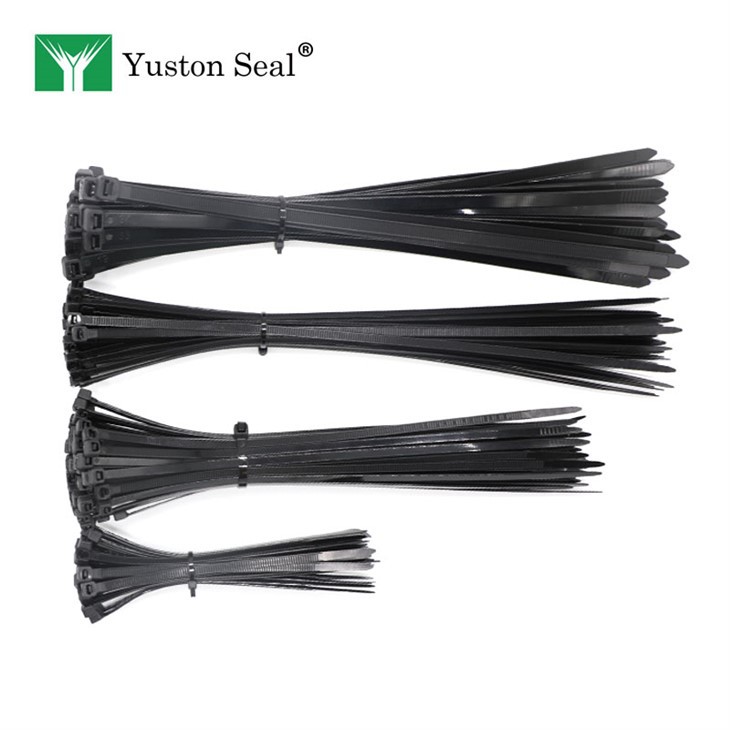
As a nylon cable tie supplier, we offer a wide range of products with different levels of flexibility to meet the diverse needs of our customers. Our Self - locking Cable Ties are designed to provide a secure hold while maintaining a certain degree of flexibility. They are made from high - quality nylon materials and are available in various sizes and colors.
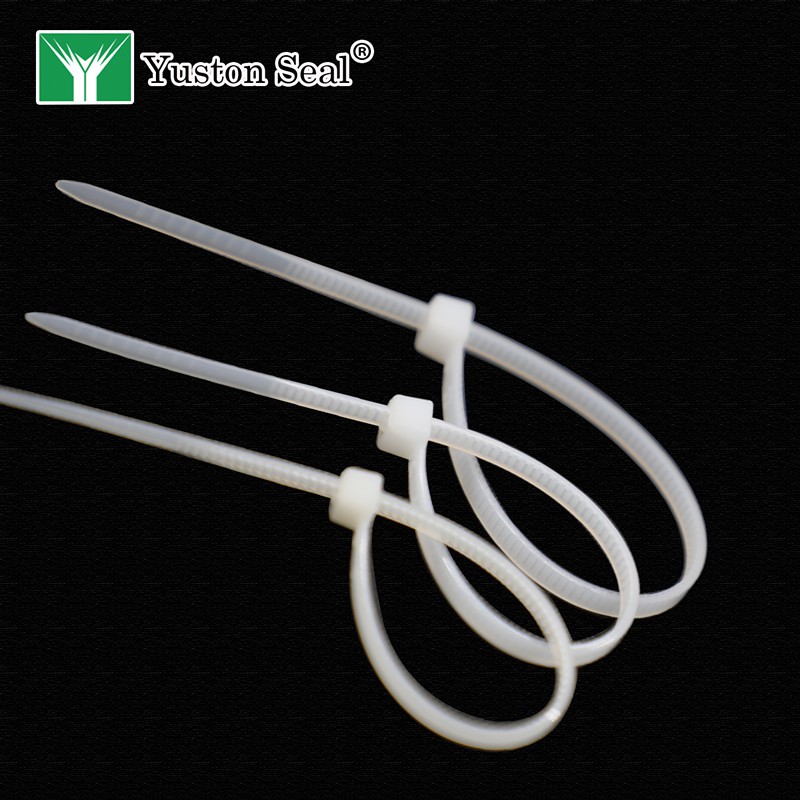
We also have White Plastic Cable Ties that are not only aesthetically pleasing but also offer good flexibility. These white cable ties are suitable for applications where appearance matters, such as in home decoration or in industries where a clean and professional look is required.
Conclusion
In conclusion, nylon cable ties are indeed flexible, but the degree of flexibility can vary depending on several factors such as the type of nylon, manufacturing process, temperature, thickness, and the use of additives. Their flexibility makes them suitable for a wide range of applications, from cable management to agriculture and DIY projects.
If you are looking for high - quality nylon cable ties with the right level of flexibility for your specific application, we are here to help. Our products are designed to meet the highest standards of quality and performance. Contact us to discuss your requirements and start a procurement negotiation. We are committed to providing you with the best solutions at competitive prices.
References
- "Plastics Engineering Handbook" by Myer Kutz.
- "Polymer Science and Technology" by Donald R. Paul and Charles B. Bucknall.
- Technical data sheets from nylon cable tie manufacturers.