

Hey there! As a padlock seal supplier, I often get asked a bunch of questions about our products. One question that pops up quite a bit is, "Are padlock seals resistant to corrosion?" Well, let's dive right into it and find out.
First off, let's understand what corrosion is. Corrosion is basically the gradual destruction of materials, usually metals, by chemical reactions with their environment. It can be caused by things like moisture, oxygen, chemicals, and even salt in the air. When it comes to padlock seals, corrosion can be a real pain in the neck. It can weaken the seal, make it less secure, and even render it completely useless.
Now, the resistance to corrosion of padlock seals depends a lot on the materials they're made from. We've got different types of padlock seals in our inventory, and each has its own level of corrosion resistance.
Metal Padlock Seals
Let's start with metal padlock seals. Metals are commonly used in making padlock seals because they're strong and can provide a high level of security. But metals are also prone to corrosion, especially if they're exposed to harsh environments.
For example, iron and steel padlock seals are pretty common. However, they rust easily when they come into contact with water and oxygen. Rust is a form of corrosion that can eat away at the metal, making the seal brittle and easy to break. To combat this, some metal padlock seals are coated with a layer of paint or other protective materials. This coating acts as a barrier between the metal and the environment, preventing moisture and oxygen from reaching the metal surface.
Another type of metal used in padlock seals is stainless steel. Stainless steel is known for its excellent corrosion resistance. It contains chromium, which forms a thin, invisible layer of chromium oxide on the surface of the metal. This layer protects the metal from further corrosion. So, if you're looking for a metal padlock seal that can withstand tough conditions, stainless steel is a great choice.
Plastic Padlock Seals
Now, let's talk about Plastic Padlock Seal. Plastic is a popular material for padlock seals because it's lightweight, inexpensive, and has good corrosion resistance. Unlike metals, plastic doesn't rust or corrode in the traditional sense. It's not affected by moisture, oxygen, or most chemicals.
Plastic Padlock Security Seals are often used in industries where corrosion is a major concern, such as the food and beverage industry, pharmaceuticals, and chemical processing. They can be used in wet or humid environments without the risk of corrosion.
However, plastic is not completely immune to damage. It can be affected by UV rays, extreme temperatures, and certain chemicals. For example, prolonged exposure to sunlight can cause plastic to become brittle and crack. And some chemicals can dissolve or weaken plastic. So, when using plastic padlock seals, it's important to consider the environment they'll be used in.
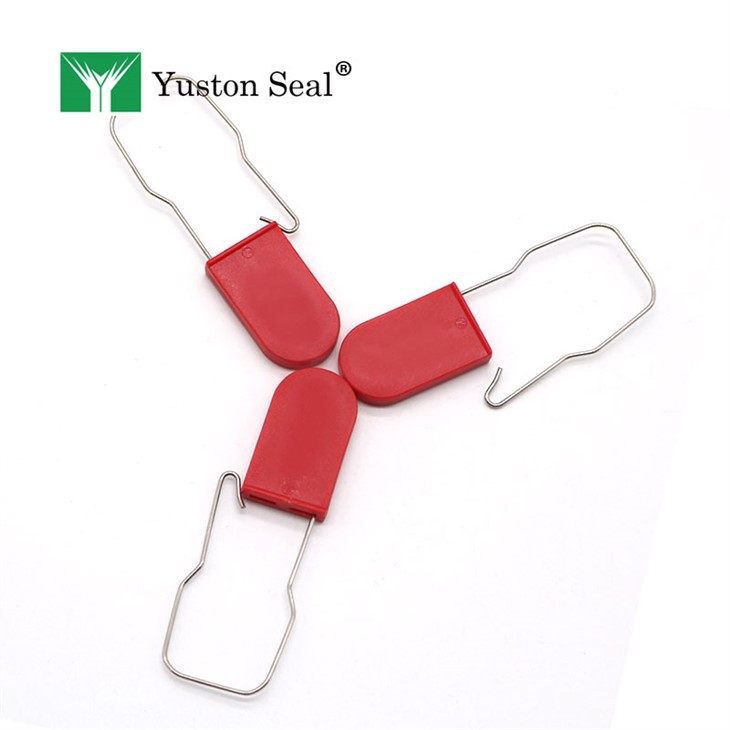
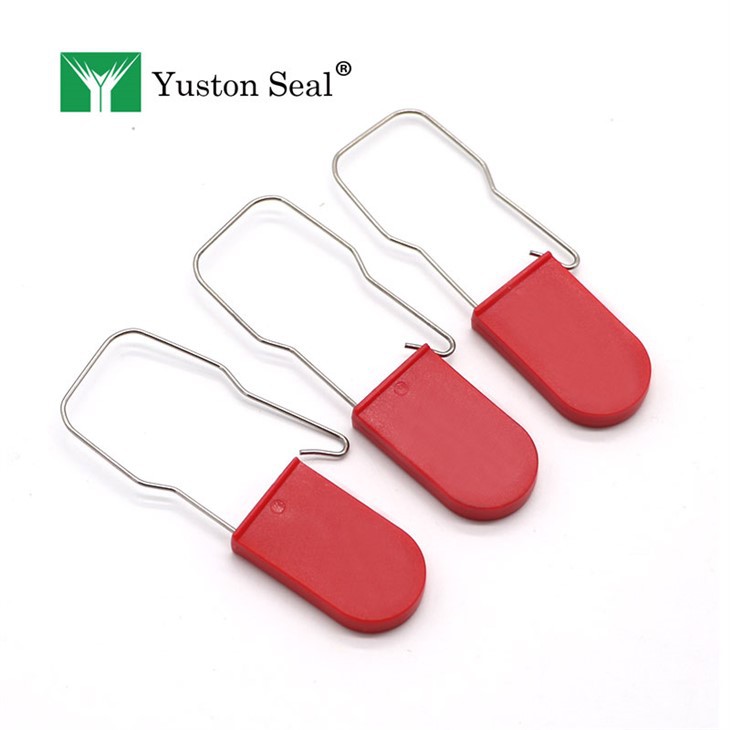
Numbered Security Plastic Padlock Seals
Numbered Security Plastic Padlock Seals are a special type of plastic padlock seal. They're often used in applications where security and traceability are important, such as in shipping and logistics. These seals are marked with a unique number, which makes it easy to identify and track them.
The plastic used in numbered security plastic padlock seals is usually a high-quality, durable material that has good corrosion resistance. But again, it's important to take care of them and use them in the right environment. If they're exposed to harsh chemicals or extreme conditions, they may not last as long.
Factors Affecting Corrosion Resistance
There are several factors that can affect the corrosion resistance of padlock seals, regardless of the material they're made from.
Environment: The environment where the padlock seal is used plays a big role. If it's in a coastal area where there's a lot of salt in the air, or in an industrial area where there are chemicals in the atmosphere, the seal is more likely to corrode. On the other hand, if it's used in a clean, dry environment, it'll have a better chance of staying corrosion-free.
Exposure Time: The longer a padlock seal is exposed to corrosive elements, the more likely it is to corrode. So, if you're using a seal in a harsh environment, it's a good idea to replace it regularly to ensure its security.
Maintenance: Proper maintenance can also help improve the corrosion resistance of padlock seals. For example, if you're using metal seals, you can clean them regularly and apply a protective coating if necessary. And for plastic seals, you can keep them away from direct sunlight and harsh chemicals.
How to Choose the Right Padlock Seal for Corrosion Resistance
When choosing a padlock seal, it's important to consider the level of corrosion resistance you need. Here are some tips to help you make the right choice:
- Assess the Environment: Think about where the seal will be used. If it's in a harsh environment, you'll need a seal with high corrosion resistance, such as a stainless steel or high-quality plastic seal.
- Consider the Application: Different applications may require different levels of security and corrosion resistance. For example, if you're using the seal for shipping valuable goods, you'll need a seal that's both secure and corrosion-resistant.
- Look at the Material: As we've discussed, different materials have different levels of corrosion resistance. Choose a material that's suitable for your needs.
Conclusion
So, are padlock seals resistant to corrosion? Well, it depends on the material they're made from and the environment they're used in. Metal seals can be prone to corrosion, but some, like stainless steel, have good resistance. Plastic seals, on the other hand, generally have good corrosion resistance but can be affected by certain factors.
As a padlock seal supplier, we offer a wide range of seals with different levels of corrosion resistance to meet your needs. Whether you're looking for a metal seal for high-security applications or a plastic seal for a more cost-effective solution, we've got you covered.
If you're interested in purchasing padlock seals or have any questions about corrosion resistance, feel free to reach out to us. We're here to help you find the right seal for your specific requirements.
References
- "Corrosion Basics" by NACE International
- "Materials Science and Engineering" textbooks