

Are Plastic Meter Seals Flammable?
As a supplier of Plastic Meter Seals, I often encounter questions from customers regarding the safety and properties of our products. One question that comes up frequently is whether plastic meter seals are flammable. In this blog post, I will delve into this topic, providing a scientific and detailed analysis to help you better understand the flammability of plastic meter seals.
Understanding Plastic Meter Seals
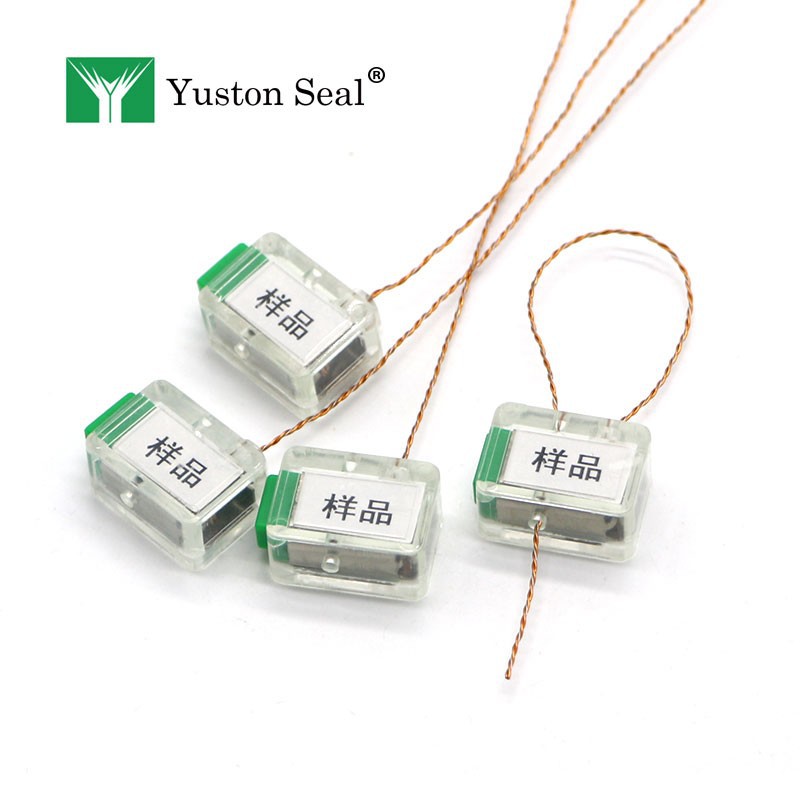
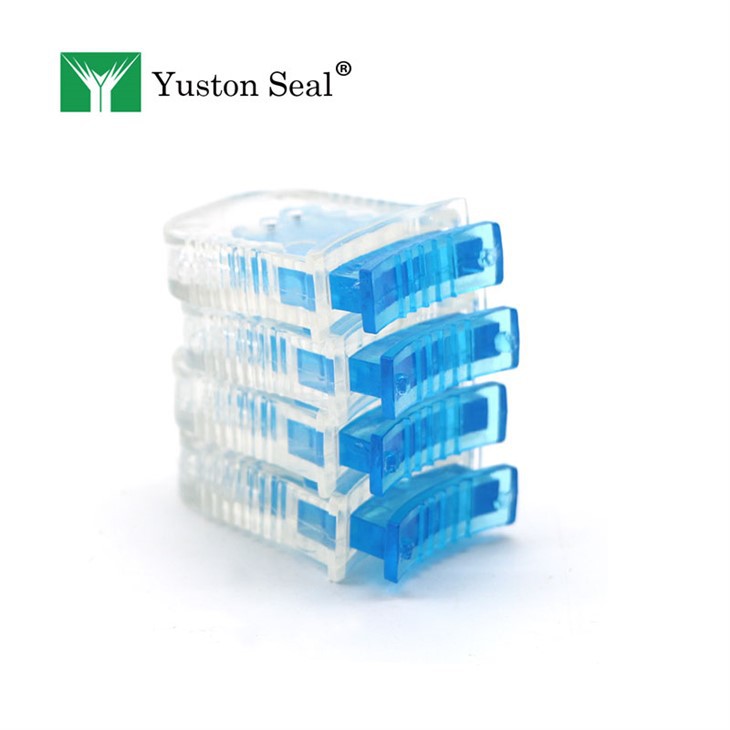
Plastic meter seals are widely used in various industries, including utilities, transportation, and security. They are designed to provide a visible indication of tampering and ensure the integrity of meters, containers, and other equipment. These seals are typically made from different types of plastics, which can have varying properties, including their flammability.
The most common plastics used in the manufacturing of meter seals include polypropylene (PP), polyethylene (PE), and polycarbonate (PC). Each of these plastics has its own unique characteristics and flammability ratings.
Flammability of Common Plastics Used in Meter Seals
Polypropylene (PP)
Polypropylene is a thermoplastic polymer that is widely used in the production of plastic meter seals due to its excellent chemical resistance, low cost, and ease of processing. In terms of flammability, polypropylene is considered a combustible plastic. It has a relatively low melting point (around 160 - 170°C) and can catch fire when exposed to an open flame or a heat source above its ignition temperature. Once ignited, polypropylene burns with a yellow - blue flame and produces black smoke.
However, the flammability of polypropylene can be modified through the addition of flame retardants. Flame retardants are chemicals that are added to plastics to reduce their flammability by either preventing ignition, slowing down the spread of fire, or reducing the amount of heat and smoke generated during combustion. Many plastic meter seals made from polypropylene are treated with flame retardants to meet specific safety standards.
Polyethylene (PE)
Polyethylene is another commonly used plastic in the manufacturing of meter seals. It is a lightweight, flexible, and durable plastic that is resistant to moisture and chemicals. Similar to polypropylene, polyethylene is a combustible plastic. It has a melting point that varies depending on its density, with low - density polyethylene (LDPE) having a melting point of around 105 - 115°C and high - density polyethylene (HDPE) having a melting point of around 120 - 130°C.
When exposed to a flame, polyethylene will melt and burn, producing a yellow - blue flame and dripping molten material. This dripping can spread the fire to other areas, increasing the risk of a larger fire. Like polypropylene, polyethylene can also be treated with flame retardants to improve its fire - resistant properties.
Polycarbonate (PC)
Polycarbonate is a high - performance engineering plastic that is known for its excellent transparency, impact resistance, and heat resistance. It has a relatively high melting point (around 220 - 230°C) and is more difficult to ignite compared to polypropylene and polyethylene.
Polycarbonate is considered a self - extinguishing plastic, which means that it will stop burning once the ignition source is removed. This is due to its chemical structure, which contains aromatic rings that provide a certain degree of fire resistance. However, under certain conditions, such as prolonged exposure to high - intensity heat or an open flame, polycarbonate can still catch fire and burn.
Factors Affecting the Flammability of Plastic Meter Seals
In addition to the type of plastic used, several other factors can affect the flammability of plastic meter seals:
Thickness
Thicker plastic seals generally have a lower flammability compared to thinner ones. This is because a thicker seal requires more heat to reach its ignition temperature and to sustain combustion. The extra material also acts as an insulator, slowing down the transfer of heat through the seal.
Additives
As mentioned earlier, the addition of flame retardants can significantly reduce the flammability of plastic meter seals. Other additives, such as fillers (e.g., glass fiber, calcium carbonate) can also affect flammability. Some fillers can act as heat sinks, absorbing and dissipating heat, while others can form a protective char layer on the surface of the plastic during combustion, which helps to prevent the spread of fire.
External Conditions
The flammability of plastic meter seals can be influenced by external conditions such as temperature, humidity, and the presence of other flammable materials. High temperatures can reduce the ignition temperature of the plastic, making it more likely to catch fire. Humidity can have a minor effect on the flammability of some plastics, and the presence of other flammable materials in the vicinity can increase the risk of a larger fire if the seal ignites.
Safety Standards and Regulations
To ensure the safety of plastic meter seals, various safety standards and regulations have been established. These standards typically specify the maximum allowable flammability levels for different types of plastics used in meter seals. For example, in the electrical industry, meter seals are often required to meet UL 94 flammability standards. UL 94 is a standard testing method that classifies plastics based on their flammability, ranging from the most flammable (HB) to the least flammable (V - 0).
Manufacturers of plastic meter seals must ensure that their products comply with these standards to be sold in the market. Customers should always look for seals that have been tested and certified to meet relevant safety standards.
Our Plastic Meter Seals and Flammability
At our company, we take the safety and quality of our Plastic Meter Seals very seriously. We use high - quality plastics and carefully select the appropriate additives to ensure that our seals meet or exceed the relevant safety standards. Our seals are tested rigorously to ensure their flammability is within acceptable limits.
We offer a range of Tamper Proof Meter Seals and Meter Seal Security Electric products that are designed to provide reliable protection in various applications while maintaining a high level of safety. Whether you need a seal for a utility meter, a shipping container, or an electrical panel, we have the right solution for you.
Conclusion
In conclusion, plastic meter seals can be flammable, but the degree of flammability depends on the type of plastic used, the presence of additives, and other factors. By understanding the flammability characteristics of different plastics and the factors that affect it, you can make an informed decision when choosing plastic meter seals for your application.
We are committed to providing our customers with high - quality, safe, and reliable plastic meter seals. If you have any questions or need further information about our products, please feel free to contact us. We look forward to discussing your specific requirements and helping you find the best sealing solution for your needs.
References
- ASTM International. (Year). Standard test methods for flammability of plastics and other solid materials.
- Underwriters Laboratories. (Year). UL 94: Standard for Tests for Flammability of Plastic Materials for Parts in Devices and Appliances.
- Plastics Industry Association. (Year). Technical guide to plastics properties and applications.