

Hey there! As a plastic seal supplier, I've seen firsthand how important it is to label plastic seals correctly. It's not just about slapping on a sticker; it's a crucial process that ensures security, compliance, and clear communication. In this blog, I'll walk you through the ins and outs of labeling plastic seals, sharing some tips and insights from my years in the business.
Why Labeling Plastic Seals Matters
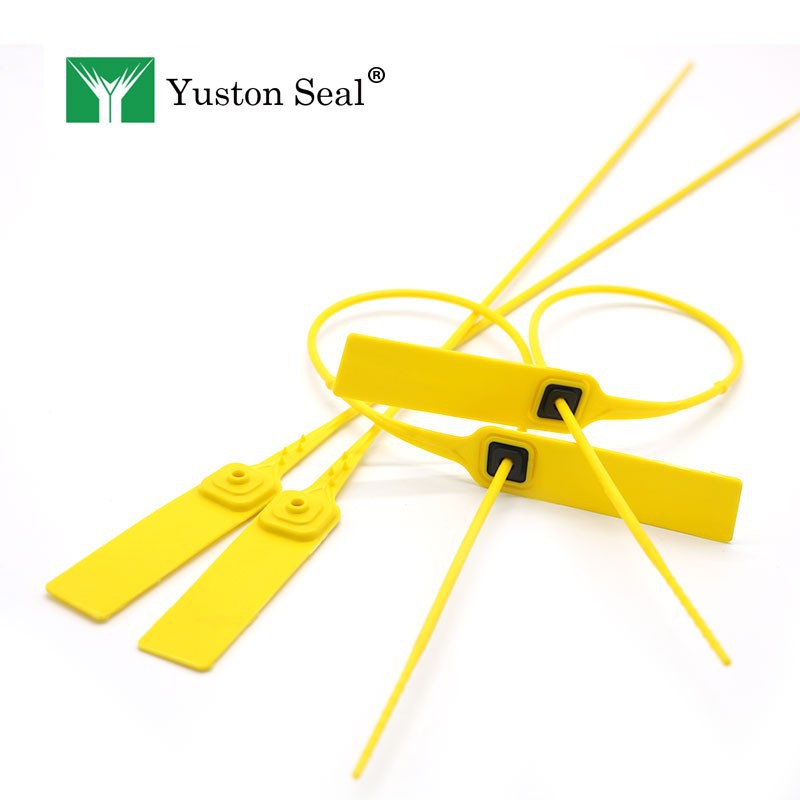
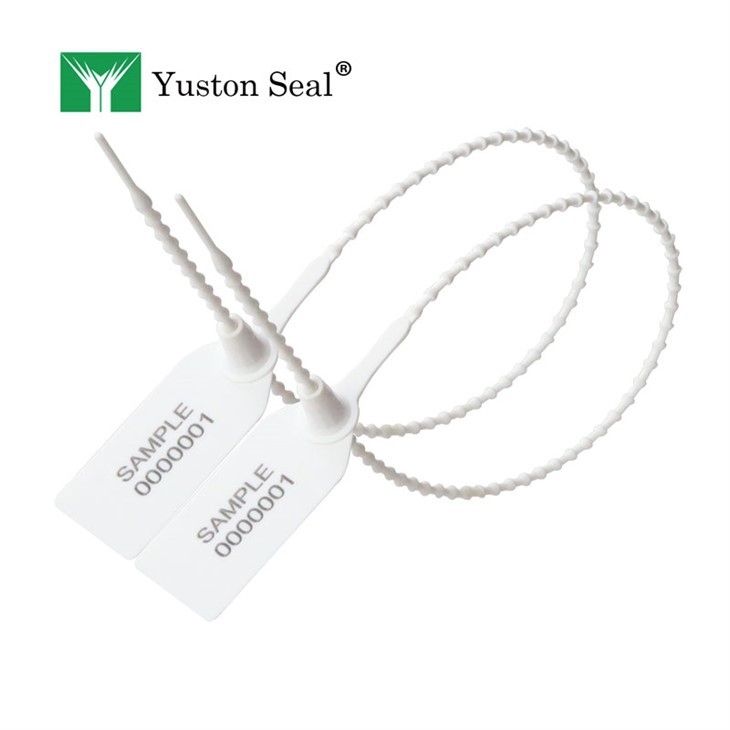
First off, let's talk about why labeling plastic seals is such a big deal. Plastic seals are used in a wide range of industries, from transportation and logistics to manufacturing and security. They're often used to secure containers, trucks, and equipment, and to prevent unauthorized access or tampering. A well-labeled plastic seal provides important information about the seal itself, such as its serial number, expiration date, and the company that issued it. This information is essential for tracking and auditing purposes, and it can help to ensure that the seal is being used correctly and that the contents of the container are secure.
In addition to security and compliance, labeling plastic seals can also help to improve efficiency and reduce errors. By clearly marking the seal with information about its intended use and the contents of the container, you can help to ensure that the seal is being used correctly and that the right products are being shipped to the right place. This can help to reduce the risk of delays, lost shipments, and other costly mistakes.
Types of Labels for Plastic Seals
There are several different types of labels that can be used for plastic seals, each with its own advantages and disadvantages. Here are some of the most common types of labels:
- Direct Printing: This involves printing directly onto the plastic seal using a special printer or marking tool. Direct printing is a popular option because it's durable, long-lasting, and can be customized with a wide range of information. However, it can also be more expensive and time-consuming than other labeling methods.
- Stickers: Stickers are a simple and cost-effective way to label plastic seals. They can be printed with a wide range of information, including text, barcodes, and logos, and they can be easily applied to the seal using a pressure-sensitive adhesive. However, stickers can be prone to peeling, fading, and damage, especially if they're exposed to harsh environmental conditions.
- Laser Engraving: Laser engraving involves using a laser to etch information onto the surface of the plastic seal. This method is highly precise and durable, and it can be used to create detailed designs and patterns. However, it can also be more expensive and time-consuming than other labeling methods, and it may not be suitable for all types of plastic seals.
Choosing the Right Label for Your Plastic Seals
When choosing a label for your plastic seals, there are several factors to consider, including the type of plastic seal you're using, the environment in which the seal will be used, and the information you need to include on the label. Here are some tips to help you choose the right label for your needs:
- Consider the Type of Plastic Seal: Different types of plastic seals have different surfaces and properties, which can affect the adhesion and durability of the label. For example, if you're using a smooth, glossy plastic seal, you may need to use a label with a strong adhesive to ensure that it stays in place. On the other hand, if you're using a textured or porous plastic seal, you may need to use a label with a more flexible adhesive to ensure that it conforms to the surface of the seal.
- Think About the Environment: The environment in which the plastic seal will be used can also affect the performance of the label. For example, if the seal will be exposed to high temperatures, moisture, or chemicals, you may need to use a label that is resistant to these conditions. Similarly, if the seal will be used outdoors, you may need to use a label that is UV-resistant to prevent fading and damage.
- Determine the Information You Need to Include: The information you need to include on the label will depend on the specific application of the plastic seal. For example, if the seal is being used to secure a container of hazardous materials, you may need to include information about the type of material, the quantity, and any safety precautions. On the other hand, if the seal is being used to secure a truck or trailer, you may need to include information about the shipment, such as the origin, destination, and date of departure.
Best Practices for Labeling Plastic Seals
Once you've chosen the right label for your plastic seals, it's important to follow some best practices to ensure that the labels are applied correctly and that they provide the information you need. Here are some tips to help you label your plastic seals effectively:
- Clean the Surface: Before applying the label, make sure that the surface of the plastic seal is clean and dry. This will help to ensure that the label adheres properly and that it stays in place.
- Apply the Label Carefully: When applying the label, make sure that it is aligned correctly and that there are no air bubbles or wrinkles. Use a squeegee or other tool to smooth out the label and to ensure that it is firmly attached to the seal.
- Use a Consistent Format: To make it easier to read and understand the information on the label, it's important to use a consistent format for all of your labels. This may include using the same font, size, and color for all of the text, and arranging the information in a logical and easy-to-read manner.
- Test the Labels: Before applying the labels to all of your plastic seals, it's a good idea to test them on a small sample of seals to make sure that they adhere properly and that they provide the information you need. This will help you to identify any issues or problems before you apply the labels to a large number of seals.
Examples of Labeling for Different Types of Plastic Seals
Here are some examples of how you might label different types of plastic seals:
- Custom Plastic Truck Seals: For custom plastic truck seals, you might include information such as the company name, logo, serial number, and expiration date. You might also include a barcode or QR code that can be scanned to provide additional information about the seal and the shipment.
- Fire Extinguisher Seal: For fire extinguisher seals, you might include information such as the type of extinguisher, the date of inspection, and the expiration date. You might also include a warning label that indicates that the seal should not be removed without authorization.
- Security Seal Tag: For security seal tags, you might include information such as the company name, logo, serial number, and a unique identifier. You might also include a barcode or QR code that can be scanned to provide additional information about the seal and the shipment.
Conclusion
Labeling plastic seals is an important process that can help to ensure security, compliance, and clear communication. By choosing the right label for your plastic seals, following some best practices for labeling, and using a consistent format for all of your labels, you can help to ensure that your plastic seals provide the information you need and that they are being used correctly.
If you're interested in learning more about labeling plastic seals or if you're looking for a reliable supplier of plastic seals, please don't hesitate to contact us. We'd be happy to help you find the right solution for your needs and to answer any questions you may have.
References
- Packaging Machinery Manufacturers Institute. (2023). Labeling Basics.
- ASTM International. (2023). Standards for Plastic Seals and Labeling.