

Are plastic seals UV - resistant?
As a seasoned supplier of plastic seals, I often encounter inquiries from customers regarding the UV resistance of our products. UV resistance is a crucial factor, especially for plastic seals that are intended for outdoor use. In this blog post, I'll delve into the topic of UV resistance in plastic seals, exploring what it means, how it affects the performance of plastic seals, and how our company addresses this concern.
Understanding UV Radiation and Its Impact on Plastic Seals
Ultraviolet (UV) radiation is a part of the electromagnetic spectrum emitted by the sun. It is categorized into three types: UVA, UVB, and UVC. UVC is mostly absorbed by the Earth's atmosphere, while UVA and UVB reach the surface and can have a significant impact on various materials, including plastics.
When plastic seals are exposed to UV radiation over an extended period, several negative effects can occur. One of the most common issues is degradation. UV rays can break down the chemical bonds within the plastic, causing it to become brittle, crack, or lose its strength. This degradation can compromise the integrity of the seal, leading to potential leakage or tampering.
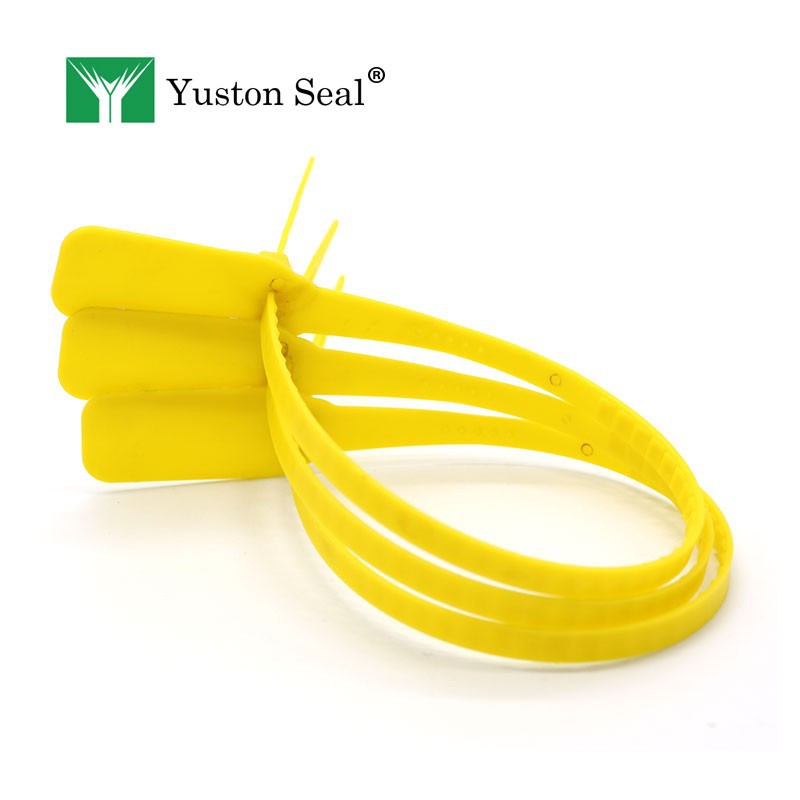
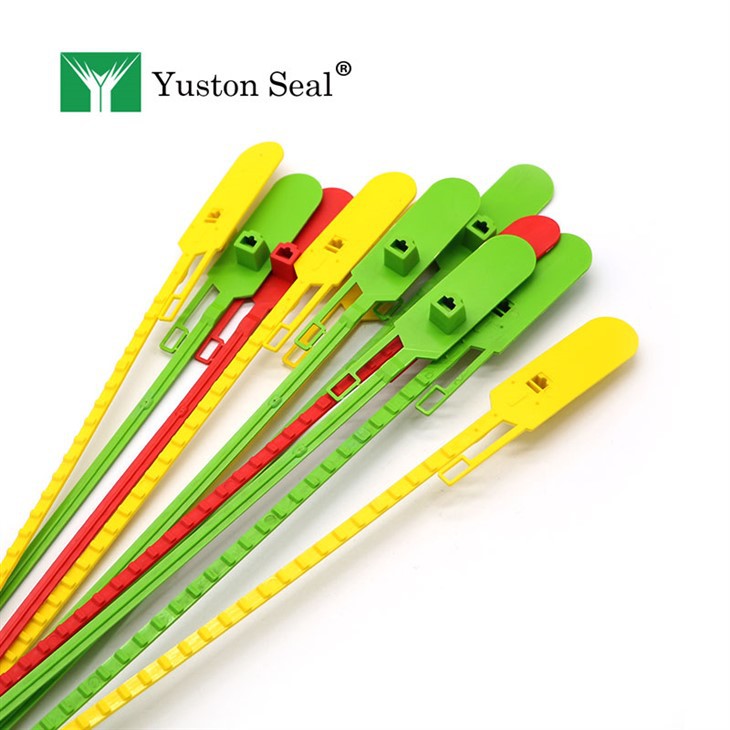
Another consequence of UV exposure is color fading. Plastic seals often come in different colors for identification or aesthetic purposes. However, prolonged UV exposure can cause these colors to fade, making it difficult to distinguish between different types of seals or to maintain a consistent appearance.
Factors Affecting the UV Resistance of Plastic Seals
The UV resistance of plastic seals depends on several factors, including the type of plastic used, the additives incorporated, and the manufacturing process.
Type of Plastic: Different plastics have varying levels of inherent UV resistance. For example, polyethylene (PE) and polypropylene (PP) are relatively less resistant to UV radiation compared to materials like polycarbonate (PC) or acrylonitrile butadiene styrene (ABS). These latter materials have better chemical structures that can withstand UV exposure to a certain extent.
Additives: To enhance the UV resistance of plastic seals, manufacturers often add UV stabilizers or absorbers during the production process. These additives work by either absorbing the UV radiation or preventing the degradation process from occurring. There are different types of UV stabilizers, such as hindered amine light stabilizers (HALS), which are very effective in protecting plastics from UV damage.
Manufacturing Process: The way the plastic seals are manufactured can also impact their UV resistance. For instance, proper extrusion and molding techniques can ensure a more uniform distribution of the plastic and the additives, leading to better overall UV protection.
Our Company's Approach to UV - Resistant Plastic Seals
At our company, we understand the importance of providing plastic seals that can withstand UV exposure, especially for our customers who use our products in outdoor environments.
Material Selection: We carefully choose the plastics for our seals based on their intended use. For outdoor applications, we often opt for materials with better inherent UV resistance, such as polycarbonate or ABS. These materials provide a good foundation for UV - resistant seals.
Additive Incorporation: We use high - quality UV stabilizers and absorbers in our manufacturing process. Our R & D team continuously researches and tests different additives to ensure that our seals offer the best possible UV protection. We work with trusted suppliers of these additives to guarantee their effectiveness and quality.
Quality Control: We have a strict quality control system in place to ensure that each batch of plastic seals meets our UV resistance standards. We conduct regular UV exposure tests in our laboratory, simulating real - world outdoor conditions. These tests help us to verify the performance of our seals and make any necessary adjustments to our manufacturing process.
Applications of UV - Resistant Plastic Seals
UV - resistant plastic seals have a wide range of applications, especially in industries where outdoor exposure is common.
Utilities: In the utility sector, such as water, gas, and electricity, plastic seals are used to secure meters and other equipment. These seals need to be UV - resistant because they are often installed outdoors and are exposed to sunlight for long periods. UV - resistant seals ensure the long - term integrity of the equipment and prevent unauthorized access.
Transportation: In the transportation industry, plastic seals are used to secure cargo containers, trucks, and railway cars. Outdoor storage and transportation mean that these seals are constantly exposed to UV radiation. UV - resistant seals can maintain their strength and tamper - evident properties, protecting the cargo during transit.
Agriculture: In agriculture, plastic seals are used to secure irrigation systems, storage containers, and other equipment. Since these items are often located outdoors, UV - resistant seals are essential to ensure their proper functioning and security.
Customization of UV - Resistant Plastic Seals
We understand that different customers may have different requirements for their plastic seals. That's why we offer Custom Plastic Seals. Whether you need a specific size, shape, color, or level of UV resistance, our team can work with you to develop a customized solution.
For example, if you need a tamper - evident seal for outdoor use, we can provide Tamper Evident Plastic Seal that is also UV - resistant. These seals are designed in such a way that any attempt to tamper with them will be clearly visible, while also withstanding the harmful effects of UV radiation.
Similarly, our Plastic Tamper Proof Seals can be customized to meet your UV resistance needs. We can adjust the material, additives, and manufacturing process to ensure that the seals provide the highest level of security and durability in outdoor environments.
Contact Us for Your Plastic Seal Needs
If you are in the market for high - quality, UV - resistant plastic seals, we invite you to contact us. Our team of experts is ready to assist you in finding the perfect solution for your specific requirements. Whether you have a small - scale project or a large - scale industrial application, we have the experience and resources to meet your needs.
We believe in building long - term relationships with our customers, and we are committed to providing excellent customer service. So, don't hesitate to reach out to us and start a discussion about your plastic seal requirements.
References
- ASTM International. (2023). ASTM D4329 - 13(2023) Standard Practice for Fluorescent Ultraviolet (UV) Lamp Apparatus Exposure of Plastics.
- Grohens, Y., Verdu, J., & Bourbigot, S. (2004). Polymer Degradation and Stability. Elsevier.
- Wypych, G. (2019). Handbook of Fillers, Additives, and Reinforcements for Plastics. ChemTec Publishing.