

Stainless steel ties are widely used in various industries due to their strength, durability, and corrosion resistance. One common question that arises is whether these ties are resistant to chlorine. As a stainless steel tie supplier, I am often asked this question by customers, and in this blog post, I will delve into the topic to provide a comprehensive answer.
Understanding Stainless Steel and Chlorine
Stainless steel is an alloy primarily composed of iron, chromium, and nickel, with other elements added in smaller quantities to enhance specific properties. The chromium in stainless steel forms a thin, protective oxide layer on the surface, which helps prevent corrosion. This oxide layer is self - healing, meaning that if it is damaged, it can reform under the right conditions.
Chlorine, on the other hand, is a highly reactive chemical. It is commonly used in water treatment, swimming pools, and many industrial processes. Chlorine can exist in different forms, such as free chlorine (chlorine gas, hypochlorous acid, and hypochlorite ions) and combined chlorine (chloramines). These forms of chlorine can potentially react with the surface of stainless steel, especially in the presence of moisture.
Factors Affecting the Resistance of Stainless Steel Ties to Chlorine
Grade of Stainless Steel
Not all stainless steels are created equal when it comes to chlorine resistance. Different grades of stainless steel have different compositions, which affect their ability to withstand the corrosive effects of chlorine. For example, austenitic stainless steels, such as 304 and 316, are commonly used in the production of stainless steel ties.
- 304 Stainless Steel: This is a widely used grade of stainless steel. It contains approximately 18% chromium and 8% nickel. While it offers good general corrosion resistance, it is less resistant to chlorine compared to some other grades. In environments with high chlorine concentrations, 304 stainless steel may be susceptible to pitting corrosion, which is a form of localized corrosion that can lead to the formation of small holes on the surface of the material.
- 316 Stainless Steel: This grade is often referred to as marine - grade stainless steel. It contains an additional element, molybdenum, which enhances its resistance to pitting and crevice corrosion in chloride - containing environments. 316 stainless steel is a better choice for applications where the ties will be exposed to chlorine, such as in swimming pools or coastal areas.
Concentration and Exposure Time
The concentration of chlorine in the environment plays a crucial role in determining the corrosion rate of stainless steel ties. Higher concentrations of chlorine increase the likelihood of corrosion. Additionally, the longer the ties are exposed to chlorine, the greater the risk of corrosion. For example, in a swimming pool with a properly maintained chlorine level (usually between 1 - 3 ppm), stainless steel ties made of 316 grade may not show significant signs of corrosion over a long period. However, if the chlorine level is much higher or if the ties are submerged in a highly chlorinated solution for an extended time, corrosion can occur more rapidly.
Temperature and pH
Temperature and pH also affect the interaction between stainless steel and chlorine. Higher temperatures generally accelerate chemical reactions, including corrosion. In a warm, chlorinated environment, the corrosion rate of stainless steel ties may be higher than in a cooler environment. The pH of the solution is also important. Chlorine is more corrosive in acidic conditions. If the pH of the chlorinated solution is low, the risk of corrosion increases.
Real - World Applications and Performance
In many real - world applications, stainless steel ties perform well in the presence of chlorine, especially when the appropriate grade is selected. For example, in the construction of swimming pools, stainless steel ties are used to secure various components. When 316 stainless steel ties are used, they can withstand the chlorinated water for many years without significant corrosion.
In industrial settings, such as water treatment plants, stainless steel ties are used to bundle cables and secure equipment. These ties are exposed to chlorine during the water treatment process. Again, by choosing the right grade of stainless steel and ensuring proper installation and maintenance, the ties can provide reliable performance.
Our Product Offerings
As a stainless steel tie supplier, we offer a wide range of products to meet different customer needs. Our Stainless Steel Cable Ties are available in both 304 and 316 grades. The 304 grade is suitable for general - purpose applications where the exposure to chlorine is minimal, while the 316 grade is recommended for more demanding environments.
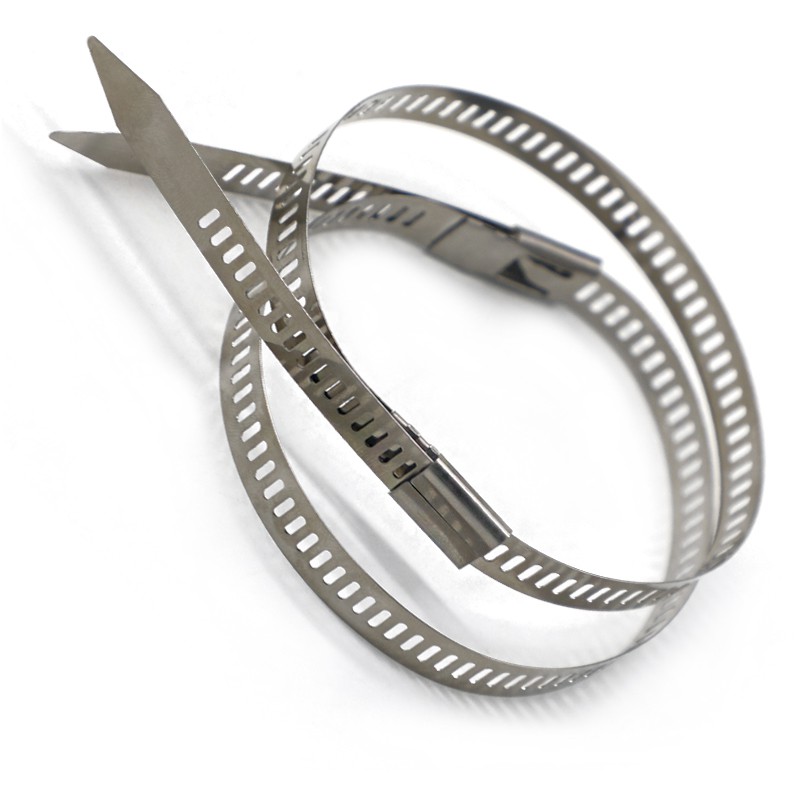
We also provide Stainless Steel Cable Wire Ties, which are ideal for applications where a stronger and more flexible tie is required. These ties are made of high - quality stainless steel and are designed to withstand various environmental conditions, including exposure to chlorine.
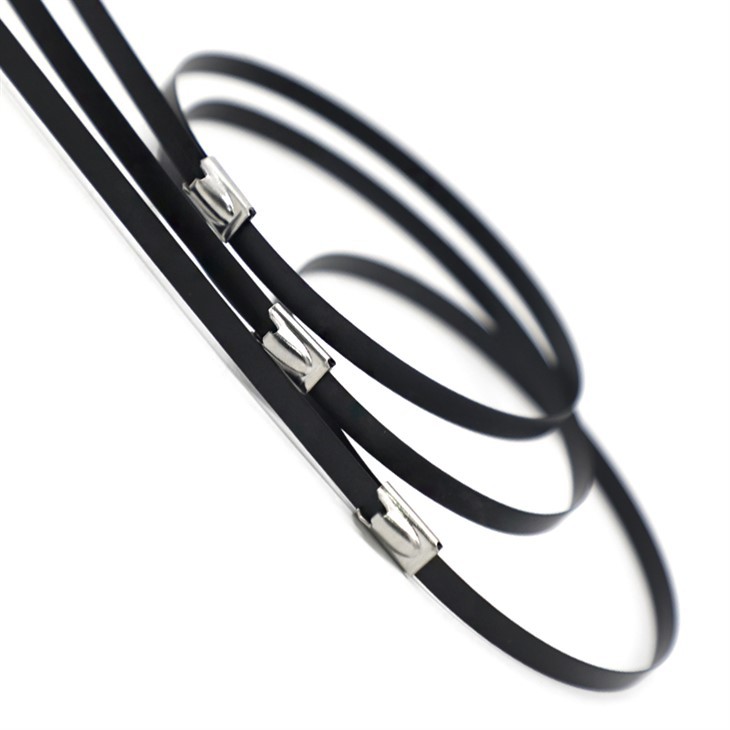
For customers who prefer a more aesthetically pleasing option, we offer Black Stainless Steel Zip Ties. These ties have a black coating that not only adds a sleek look but also provides an additional layer of protection against corrosion.
Conclusion
In conclusion, stainless steel ties can be resistant to chlorine, but it depends on several factors, including the grade of stainless steel, the concentration and exposure time of chlorine, temperature, and pH. By selecting the appropriate grade of stainless steel and considering the specific application requirements, customers can ensure that their stainless steel ties will perform well in chlorine - containing environments.
If you are in need of high - quality stainless steel ties for your project, whether it is for a swimming pool, an industrial facility, or any other application, we are here to help. Our team of experts can assist you in choosing the right product based on your specific needs. Contact us today to start a discussion about your procurement requirements and find the best stainless steel tie solution for your project.
References
- "Corrosion of Stainless Steels" by John R. Scully
- "Handbook of Stainless Steels" edited by Y. K. Lee and D. L. Olson