

As a seasoned supplier of Metal Container Seals, I often get asked whether these seals require any special tools for installation. This question is crucial for businesses and individuals who rely on these seals to secure their valuable cargo during transit. In this blog post, I'll delve into the details of metal container seal installation, discussing whether special tools are necessary and providing insights based on my years of experience in the industry.
Understanding Metal Container Seals
Before we discuss the installation process, it's important to understand what metal container seals are and why they are used. Metal container seals are security devices designed to prevent unauthorized access to shipping containers, trucks, and other cargo transport units. They come in various types, including Container Metal Strap Seal, Metal Seals For Containers, and Metal Truck Seals. These seals are typically made of high - strength metals such as steel or aluminum, and they are engineered to withstand harsh environmental conditions and tampering attempts.
Types of Metal Container Seals and Their Installation Requirements
Bolt Seals
Bolt seals are one of the most common types of metal container seals. They consist of a bolt and a locking mechanism. To install a bolt seal, you insert the bolt through the container's locking device and then use a tool to break off the excess part of the bolt, leaving only the locked portion. In most cases, a simple pair of bolt - cutters is sufficient for this task. Bolt - cutters are readily available in hardware stores and are relatively inexpensive. However, for larger or more heavy - duty bolt seals, you may need a more powerful pair of bolt - cutters with longer handles for increased leverage.
Cable Seals
Cable seals are another popular option. They feature a steel cable that is threaded through the container's locking points and then locked using a sealing mechanism. Installing a cable seal usually doesn't require any special tools. You can simply thread the cable through the appropriate holes and then use the built - in locking mechanism to secure it. Some cable seals may have a plastic or metal locking head that can be snapped shut by hand, while others may require a small tool to crimp the locking head securely.
Strap Seals
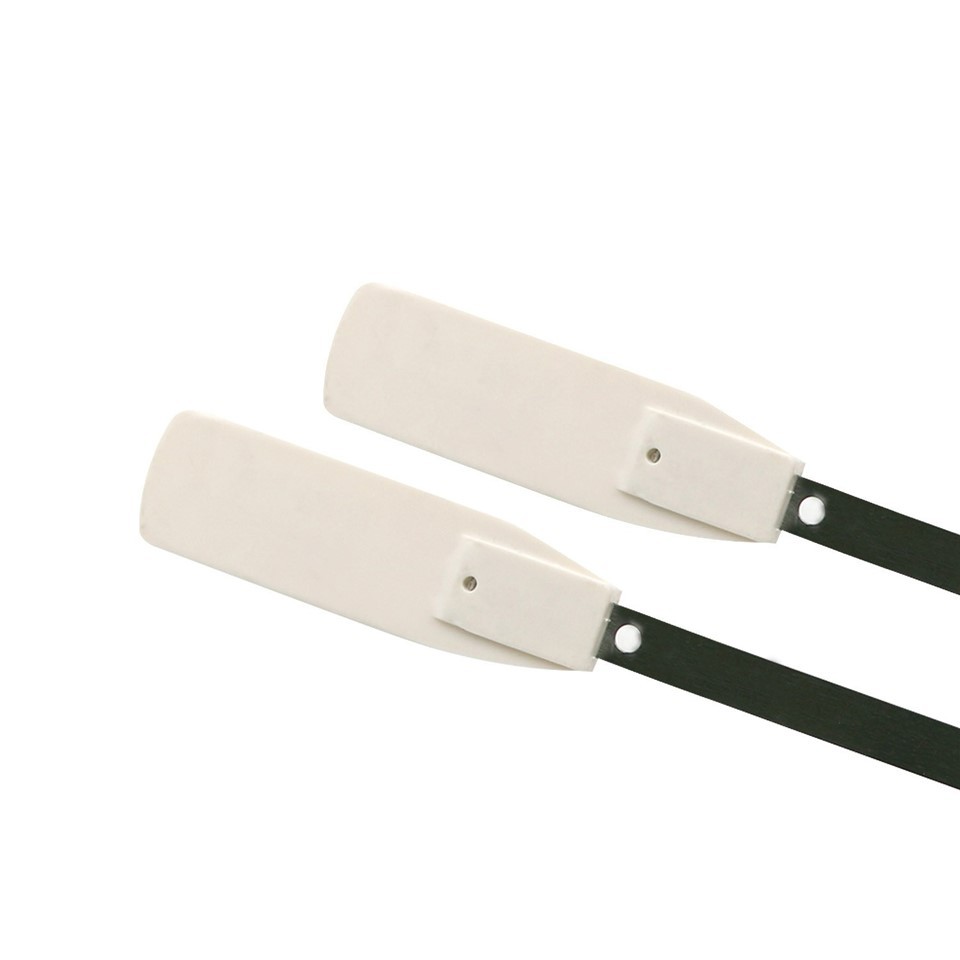
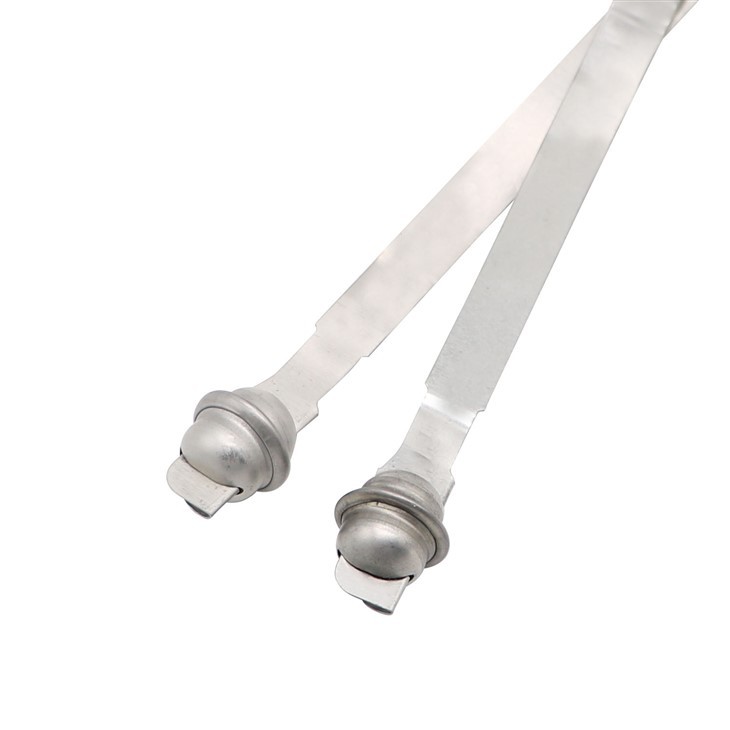
Strap seals, like the Container Metal Strap Seal, are made of a metal strap that is wrapped around the container's locking parts and then locked. For basic strap seals, you can often use a simple pair of pliers to tighten the strap and secure the locking mechanism. However, for more advanced strap seals with complex locking systems, a specialized sealing tool may be required. These tools are designed to ensure a tight and secure fit, reducing the risk of tampering.
When Special Tools Are Necessary
There are several situations where special tools are necessary for the installation of metal container seals. Firstly, in high - security applications, such as when transporting valuable or sensitive goods, you may need to use tools that provide a more secure and tamper - evident installation. For example, some high - end bolt seals require a special key - operated tool to install. This tool ensures that the seal is installed correctly and that any attempt to remove it will leave visible signs of tampering.
Secondly, when dealing with large - scale operations, using special tools can significantly increase efficiency. For instance, in a busy shipping yard, a pneumatic or electric sealing tool can quickly install multiple seals in a short period. These tools are designed to work with specific types of seals and can provide a consistent and reliable installation.
Advantages of Using Special Tools
Using special tools for metal container seal installation offers several advantages. Firstly, it ensures a proper and secure installation. Special tools are designed to work precisely with the seals, applying the right amount of force to ensure that the seal is locked tightly. This reduces the risk of the seal coming loose during transit, which could lead to unauthorized access.
Secondly, special tools can enhance the tamper - evident features of the seals. For example, some tools create unique markings or indentations on the seal during installation, making it easier to detect if the seal has been tampered with.
Finally, using special tools can improve the overall efficiency of the sealing process. In a large - scale operation, time is of the essence, and using the right tools can speed up the installation process, allowing you to seal more containers in less time.
Where to Obtain Special Tools
If you determine that you need special tools for installing metal container seals, there are several options available. You can purchase them from hardware stores, especially those that specialize in industrial or security - related tools. Additionally, many seal suppliers, including our company, offer a range of sealing tools that are specifically designed to work with our metal container seals. When purchasing tools, make sure to choose ones that are compatible with the type of seals you are using.
Conclusion
In conclusion, whether metal container seals require special tools for installation depends on the type of seal and the specific requirements of your application. While some seals can be installed with basic tools like bolt - cutters or pliers, others may require more specialized equipment. As a supplier of Metal Seals For Containers and Metal Truck Seals, we understand the importance of providing our customers with the right information and tools for proper seal installation.
If you are in the market for high - quality metal container seals or need advice on the best tools for installation, we are here to help. Our team of experts can assist you in choosing the right seals for your needs and guide you through the installation process. Contact us today to start a discussion about your metal container seal requirements and let's work together to secure your valuable cargo.
References
- "Security Seals Handbook" - A comprehensive guide on different types of security seals and their installation methods.
- Industry reports on shipping container security and the use of metal seals.