

Yo, folks! As a supplier of stainless steel ties, I often get asked a bunch of questions about these nifty little products. One question that pops up quite a bit is, "Are stainless steel ties resistant to hydrogen embrittlement?" Well, let's dive right into it and break it down.
First off, what the heck is hydrogen embrittlement? In simple terms, it's a phenomenon where metals become brittle and more likely to crack or fail because of the presence of hydrogen. Hydrogen can sneak into the metal during different processes like electroplating, pickling, or when the metal is exposed to certain corrosive environments. Once it gets in there, it can cause some serious issues.
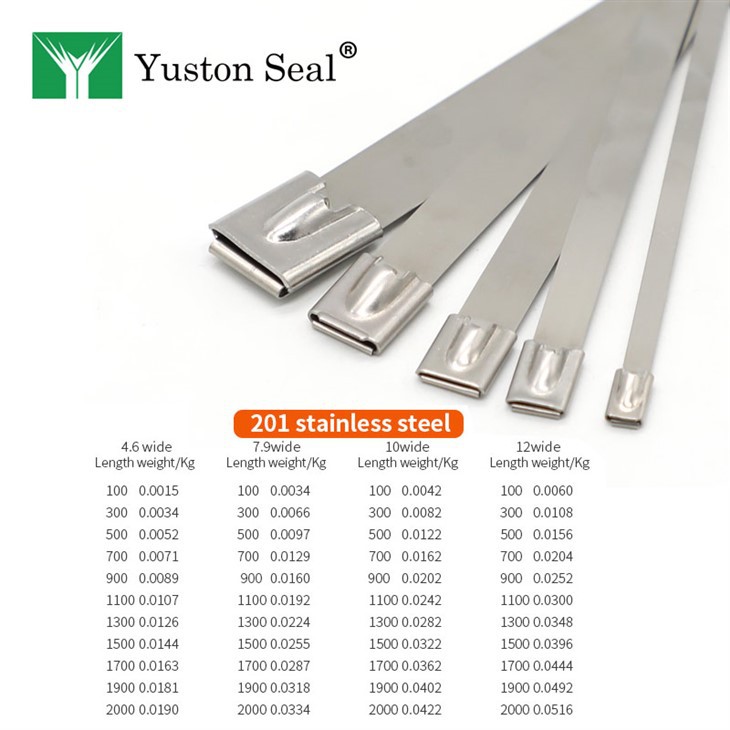
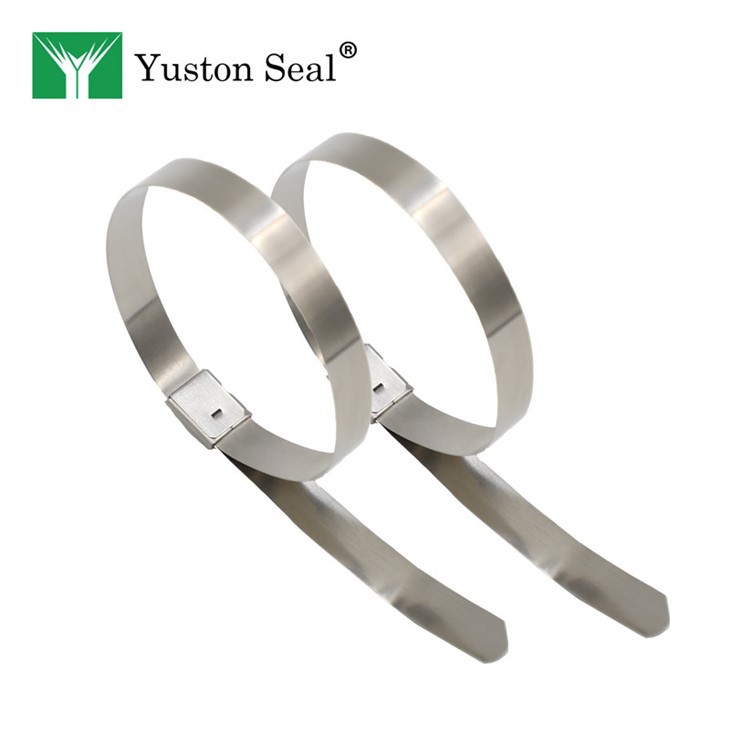
Now, stainless steel ties are pretty popular for a whole bunch of reasons. They're strong, durable, and can withstand a fair amount of wear and tear. You can find them being used in all sorts of industries, from construction to electronics. They're great for securing cables, wires, and other stuff. You can check out our Stainless Steel Cable Wire Ties and Stainless Steel Cable Ties if you're interested in seeing the variety we offer.
But back to the main question: Are they resistant to hydrogen embrittlement? Well, it depends. Stainless steel is generally more resistant to hydrogen embrittlement compared to some other metals. The reason for this is that stainless steel has a passive oxide layer on its surface. This layer acts like a protective shield, preventing hydrogen from easily getting into the metal.
However, not all stainless steels are created equal. There are different grades of stainless steel, and each grade has its own level of resistance to hydrogen embrittlement. For example, austenitic stainless steels, like 304 and 316, are known for their good resistance to hydrogen embrittlement. They have a crystal structure that makes it harder for hydrogen to diffuse through the metal.
On the other hand, martensitic stainless steels are more prone to hydrogen embrittlement. These steels have a different crystal structure that allows hydrogen to move through them more easily. So, if you're in an environment where hydrogen embrittlement is a concern, you might want to avoid using martensitic stainless steel ties.
Another factor that affects the resistance of stainless steel ties to hydrogen embrittlement is the manufacturing process. If the ties are improperly heat-treated or if there are any defects in the metal, it can reduce their resistance. For example, if the ties are over-stressed during the manufacturing process, it can create micro-cracks in the metal. These micro-cracks can act as pathways for hydrogen to enter the metal and cause embrittlement.
At our company, we take great care in the manufacturing process of our stainless steel ties. We use high-quality materials and follow strict quality control measures to ensure that our ties have the best possible resistance to hydrogen embrittlement. We also offer Metal Cable Ties that are made from different grades of stainless steel, so you can choose the one that's most suitable for your specific application.
Now, let's talk about some real-world scenarios where hydrogen embrittlement can be a problem. In the oil and gas industry, for example, stainless steel ties are often used in environments where there's a lot of hydrogen sulfide. Hydrogen sulfide can break down the passive oxide layer on the stainless steel, allowing hydrogen to enter the metal. This can lead to hydrogen embrittlement and cause the ties to fail.
In the electronics industry, stainless steel ties are used to secure cables and wires. If these ties are exposed to certain chemicals or solvents during the manufacturing or assembly process, it can also cause hydrogen embrittlement. So, it's important to choose the right grade of stainless steel ties and to make sure they're properly installed and maintained.
If you're not sure which grade of stainless steel ties is right for your application, don't worry. Our team of experts is always here to help. We can provide you with all the information you need and help you choose the best product for your needs.
In conclusion, stainless steel ties can be resistant to hydrogen embrittlement, but it depends on the grade of stainless steel and the manufacturing process. By choosing the right grade and ensuring proper installation and maintenance, you can minimize the risk of hydrogen embrittlement. If you're interested in purchasing stainless steel ties or have any questions, feel free to reach out to us. We're always happy to have a chat and help you with your procurement needs.
References
- ASM Handbook, Volume 13C: Corrosion: Environmentally Assisted Cracking
- ASTM International standards related to stainless steel and hydrogen embrittlement