

As a supplier of livestock ear tags, I often get asked about the regulations surrounding their use. The answer to this question is not straightforward, as regulations vary widely from country to country and sometimes even within different regions of the same country. In this blog post, I'll delve into the various aspects of livestock ear tag regulations, providing insights that can help both farmers and industry players understand the importance and implications of these rules.
The Global Landscape of Livestock Ear Tag Regulations
Livestock ear tags serve multiple purposes, including identification, traceability, and disease control. Governments and international organizations have recognized the importance of these functions, leading to the implementation of various regulations.
In the European Union (EU), for example, the use of ear tags is strictly regulated. The EU's animal identification and registration system requires that all cattle, sheep, and goats be identified with ear tags. These tags must be unique to each animal and contain specific information such as the country code, flock or herd number, and individual animal identifier. The purpose of these regulations is to ensure the traceability of animals throughout the food chain, which is crucial for food safety and disease management. In case of a disease outbreak or food safety issue, authorities can quickly trace the origin and movement of the affected animals.
Similarly, the United States has its own set of regulations regarding livestock ear tags. The USDA's National Animal Identification System (NAIS) aims to provide a framework for animal identification and traceability. While the NAIS is not a mandatory program at the federal level, many states have implemented their own regulations that require the use of ear tags for certain livestock species. For example, some states require ear tagging for cattle sold at auction markets or transported across state lines.
In Australia, the National Livestock Identification System (NLIS) mandates the use of ear tags for cattle, sheep, and goats. The NLIS tags contain a unique identification number that allows for the tracking of animals from birth to slaughter. This system is essential for maintaining the integrity of Australia's livestock industry, especially in terms of export markets, as many countries require detailed traceability information for imported livestock products.
Why Are Regulations Necessary?
The primary reason for implementing livestock ear tag regulations is to enhance animal health and food safety. By accurately identifying and tracing animals, authorities can quickly respond to disease outbreaks. For instance, if a case of a contagious disease such as foot - and - mouth disease is detected, the ability to trace the movement of the infected animal and its contacts is crucial for containing the spread of the disease. This can prevent large - scale losses in the livestock industry and protect public health.
Regulations also play a vital role in international trade. Many countries have strict requirements for the import of livestock and livestock products. They need assurance that the animals have been properly identified and monitored for diseases. By complying with ear tag regulations, countries can demonstrate the safety and quality of their livestock products, which is essential for maintaining access to global markets.
Types of Ear Tags and Regulatory Compliance
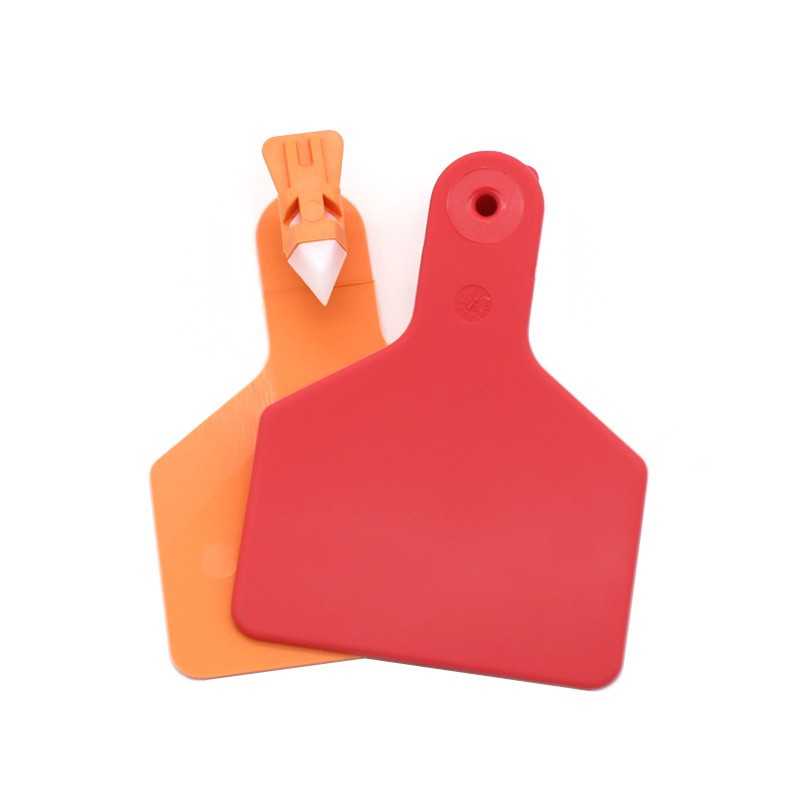
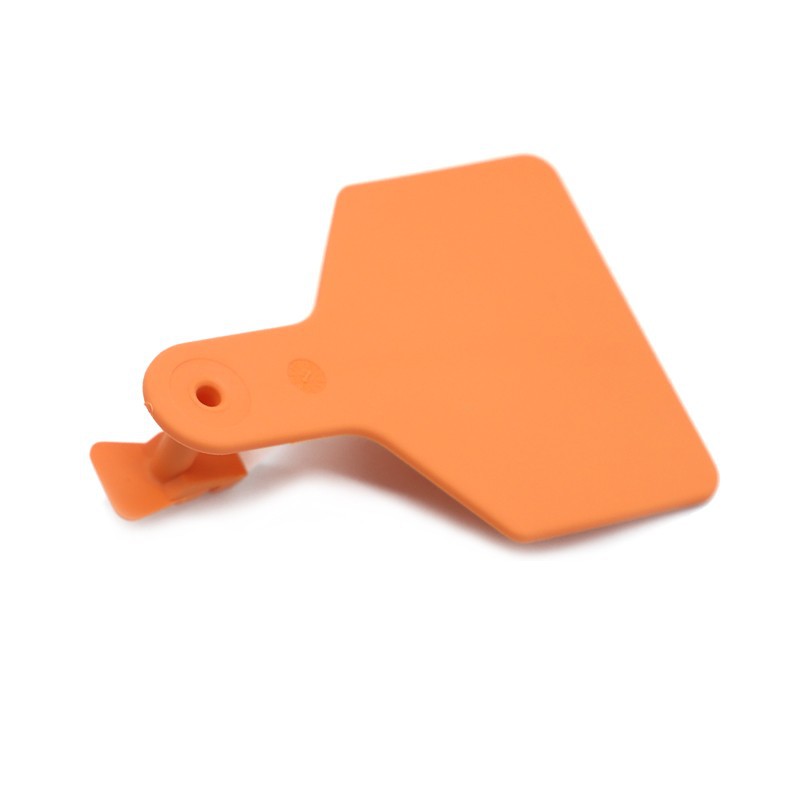
There are different types of ear tags available in the market, including visual tags, electronic tags, and combination tags. Visual tags are the most common type, which typically display numbers or letters that can be read by the naked eye. Electronic tags, such as radio - frequency identification (RFID) tags, can store and transmit data wirelessly.
Regulations often specify the type of ear tag that must be used. For example, in some regions, RFID tags are required for certain livestock species to enable more efficient data collection and traceability. As a [Your Company's Role] livestock ear tag supplier, I understand the importance of providing tags that meet these regulatory requirements. We offer a wide range of ear tags, including [link text="Ear Tag High Quality" href="/animal-ear-tag/ear-tag-high-quality.html"] high - quality visual and electronic tags, to ensure our customers can comply with local and international regulations.
When it comes to cattle, specific regulations may apply. For example, [link text="Ear Tag in Cattle" href="/animal-ear-tag/ear-tag-in-cattle.html"] ear tags for cattle may need to be durable enough to withstand the rigors of the animal's environment and behavior. They also need to be easily readable, whether they are visual or electronic. Our company offers specialized ear tags for cattle that are designed to meet these requirements, providing clear identification and long - lasting performance.
Challenges in Complying with Regulations
While the benefits of livestock ear tag regulations are clear, there are also challenges associated with compliance. One of the main challenges is the cost of implementing and maintaining an ear tagging system. For small - scale farmers, the cost of purchasing ear tags, tagging equipment, and managing the associated data can be a significant burden.
Another challenge is the complexity of the regulations themselves. As regulations vary from country to country and region to region, it can be difficult for farmers and industry players to keep up with the changes. This requires continuous education and support to ensure that all stakeholders are aware of their obligations.
Our Role as a Livestock Ear Tag Supplier
As a supplier of [link text="Ear Tag" href="/animal-ear-tag/ear-tag.html"] livestock ear tags, we are committed to helping our customers navigate the complex world of regulations. We stay up - to - date with the latest regulatory requirements in different markets and provide our customers with the information they need to make informed decisions.
We also offer high - quality ear tags that are designed to meet the specific needs of different livestock species and regulatory environments. Our tags are made from durable materials to ensure long - term use and accurate identification. In addition, we provide technical support and training to help our customers properly install and manage their ear tagging systems.
Contact Us for Your Ear Tag Needs
If you are a farmer, rancher, or industry professional looking for high - quality livestock ear tags that comply with relevant regulations, we are here to help. Our team of experts can provide you with detailed information about our products and how they can meet your specific requirements. Whether you need visual tags, electronic tags, or a combination of both, we have the solutions you need to ensure the efficient and compliant identification of your livestock.
Don't hesitate to reach out to us for more information or to start a procurement discussion. We look forward to working with you to support your livestock management needs.
References
- European Commission. (Year). Animal identification and registration in the EU. [Publication details]
- United States Department of Agriculture. (Year). National Animal Identification System overview. [Publication details]
- Australian Government Department of Agriculture, Water and the Environment. (Year). National Livestock Identification System (NLIS) guide. [Publication details]