

As a supplier of ear tags for livestock, I often get asked whether these tags need to be replaced regularly. It's a valid question, especially considering the crucial role these tags play in livestock management. In this blog, I'll share my insights based on my experience in the industry and some scientific knowledge.
First off, let's talk about why ear tags are so important. Ear tags are not just random labels stuck on animals. They serve multiple vital purposes. For one, they're a key tool for identification. Imagine a large farm with hundreds or even thousands of cattle. Without proper identification, it would be nearly impossible to keep track of individual animals, their medical histories, breeding records, and production data. Tags like Cow Number Tags are specifically designed to provide clear and unique identification for each animal.
Ear tags also play a significant role in disease control and traceability. In the event of an outbreak, being able to quickly identify and track the movement of individual animals is crucial. This helps in containing the spread of the disease and ensuring the safety of the entire livestock population.
So, back to the main question: Do ear tags for livestock need to be replaced regularly? Well, it depends on several factors.
One of the main factors is the type of ear tag. There are different types of ear tags available in the market, such as plastic tags, metal tags, and electronic tags. Plastic tags are the most commonly used due to their affordability and ease of use. However, they are also more prone to wear and tear. Over time, exposure to the elements, such as sunlight, rain, and rough handling, can cause plastic tags to fade, crack, or become damaged. This can make the identification information on the tag difficult to read, which defeats the purpose of having a tag in the first place. In such cases, it's advisable to replace the tags regularly, say every few years, to ensure clear and accurate identification.
On the other hand, metal tags are more durable and resistant to damage. They can withstand harsh environmental conditions better than plastic tags. But they also have their drawbacks. Metal tags can be heavier, which may cause discomfort to the animals, especially in young calves. And in some cases, they can rust if not properly maintained. So, even though they are generally more long - lasting, they still need to be inspected regularly, and replaced if there are signs of rust or other damage.
Electronic tags, like RFID (Radio - Frequency Identification) tags, are becoming increasingly popular. These tags can store a large amount of information about the animal and can be read remotely. They offer a high level of accuracy and convenience in tracking animals. However, they are relatively more expensive than plastic and metal tags. Electronic tags also have a limited lifespan, mainly due to the battery or the electronics inside. The battery in an RFID tag may last anywhere from a few years to a decade, depending on the quality and usage. Once the battery dies or the tag malfunctions, it needs to be replaced.
Another factor to consider is the growth and development of the animal. In the case of young animals, like calves, the ear tag may need to be replaced as they grow. A tag that fits a calf snugly may become too tight as the animal gets older, causing pain and discomfort. This can also lead to the tag being torn out or damaged. So, it's important to monitor the fit of the tag on young animals and replace it with a larger - sized tag if necessary.
The environment in which the animals are kept also plays a role. If the animals are in a very harsh environment, such as a place with extreme temperatures, high humidity, or a lot of dust and dirt, the ear tags are more likely to get damaged. In areas with a lot of predators or rough terrain, the tags may also be at risk of getting torn or chewed off. For example, if cattle are grazing in a forested area, the tags can get caught on branches and get damaged. In such environments, more frequent inspections and replacements may be required.
Now, let's talk about the cost - benefit analysis of replacing ear tags regularly. On one hand, replacing tags can be an additional expense for farmers. There's the cost of the new tags themselves, as well as the labor cost involved in removing the old tags and attaching the new ones. However, the benefits of having accurate and reliable identification far outweigh the costs. As I mentioned earlier, proper identification is essential for disease control, breeding management, and production monitoring. If a tag fails to provide accurate information, it can lead to costly mistakes, such as mismanagement of breeding programs, incorrect treatment of sick animals, or difficulties in tracing the origin of an animal in case of a disease outbreak.
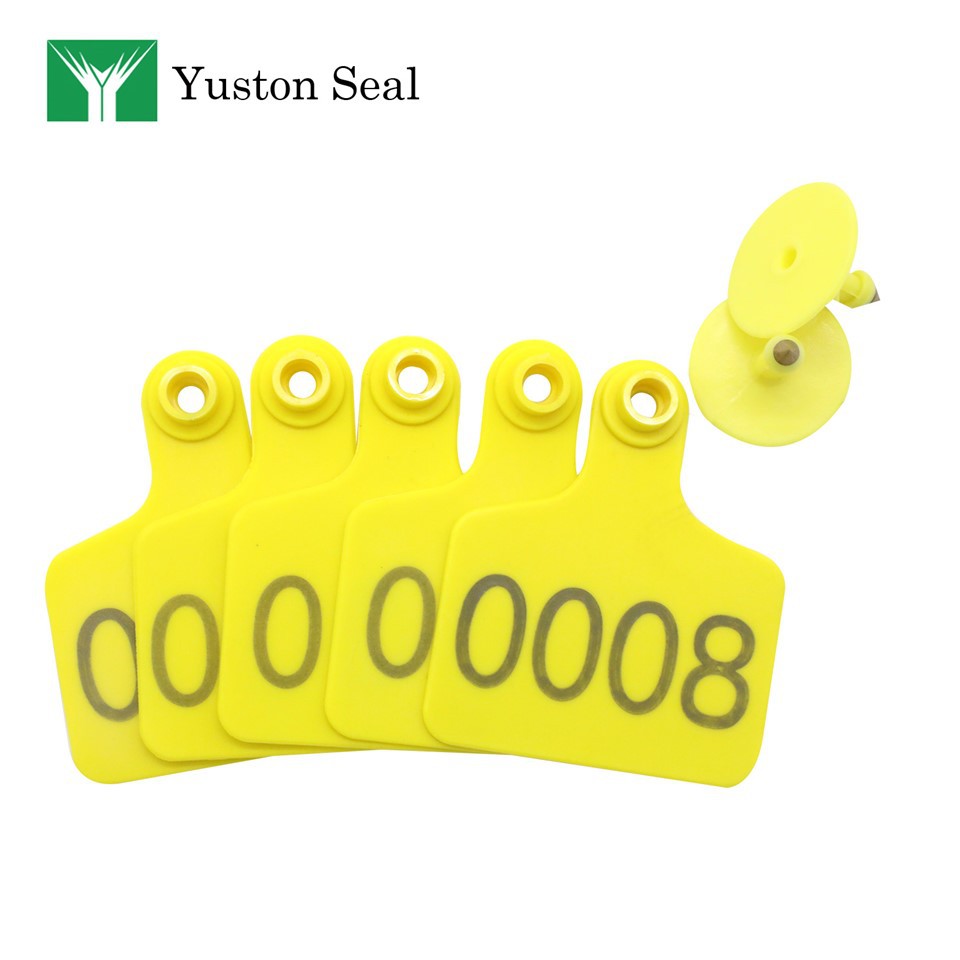
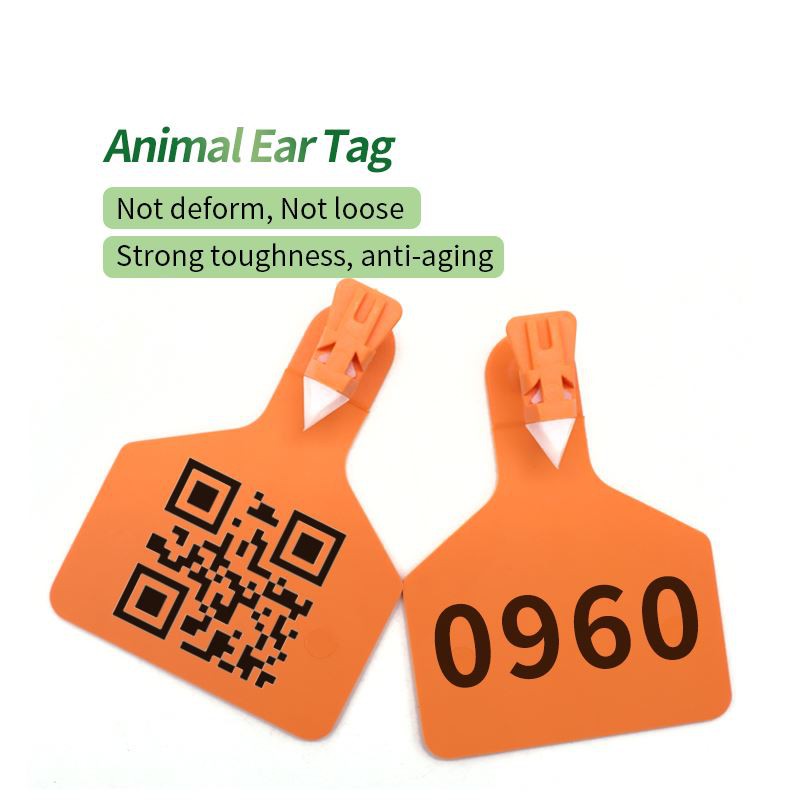
In my experience, a good practice is to have a regular inspection schedule for ear tags. Farmers should check the tags at least once a year, preferably during routine veterinary check - ups. During these inspections, they should look for signs of damage, fading, or improper fit. If any issues are found, the tags should be replaced immediately. And for electronic tags, it's a good idea to keep track of the battery life and plan for replacements accordingly.
As a supplier of Ear Tag products, I understand the importance of providing high - quality tags that can last as long as possible. We offer a wide range of ear tags, including different materials, sizes, and styles to meet the diverse needs of our customers. Our tags are designed to be durable, easy to read, and comfortable for the animals.
If you're a farmer or involved in livestock management and are looking for reliable ear tags for your animals, I encourage you to get in touch with us. We can provide you with more information about our products and help you choose the right tags for your specific needs. Whether you need Ear Tag in Cattle or tags for other livestock species, we've got you covered.
In conclusion, while not all ear tags need to be replaced at the same frequency, regular inspections and timely replacements are essential for effective livestock management. By choosing the right type of tag and following a proper maintenance schedule, you can ensure that your animals are accurately identified and that your livestock operation runs smoothly.
References
- "Livestock Identification and Traceability: Best Practices", Agricultural Research Institute
- "The Impact of Ear Tags on Animal Welfare and Identification Accuracy", Journal of Veterinary Science