

Yo, folks! As a supplier of stainless steel ties, I've seen a bunch of people using these nifty little things in all sorts of projects. But here's the deal: there are some safety precautions you gotta keep in mind when using stainless steel ties. Let's dive right in and talk about them.
First off, let's understand what stainless steel ties are. They're super strong and durable, made from high - quality stainless steel. You can find different types, like Black Stainless Steel Zip Ties, Stainless Steel Locking Wire Ties, and Stainless Steel Cable Ties. These ties are used for all kinds of stuff, from securing cables to fastening things in industrial settings.
Handling Precautions
When you're handling stainless steel ties, the edges can be sharp. I mean, these things are made of metal, so it's no surprise. You don't wanna cut yourself while trying to work with them. Always wear a good pair of work gloves. I can't stress this enough. Gloves will protect your hands from those sharp edges and prevent cuts and scrapes.
Also, be careful when you're bending or cutting the ties. Use the right tools for the job. Don't try to bend them with your bare hands or use a tool that's not meant for cutting stainless steel. A pair of good quality wire cutters or pliers designed for metal work is a must - have. If you use the wrong tool, you might end up with a jagged edge on the tie, which is not only dangerous but also might not work as well for your project.
Installation Precautions
Now, let's talk about installing these ties. When you're tightening a stainless steel tie, don't over - tighten it. Over - tightening can cause the tie to break or damage the objects you're trying to secure. You need to find that sweet spot where the tie is tight enough to hold everything in place but not so tight that it causes problems.
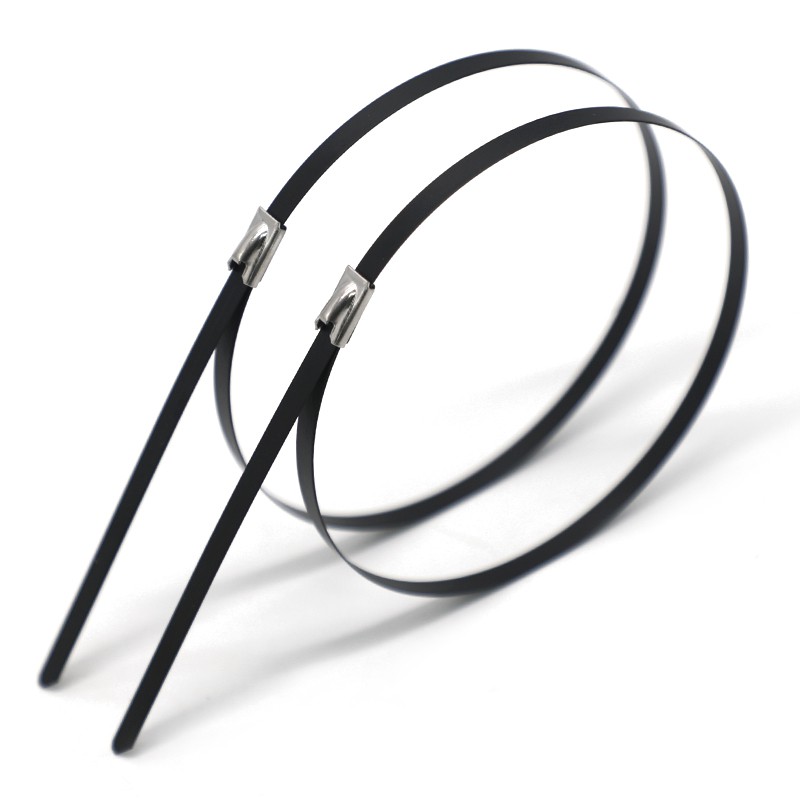
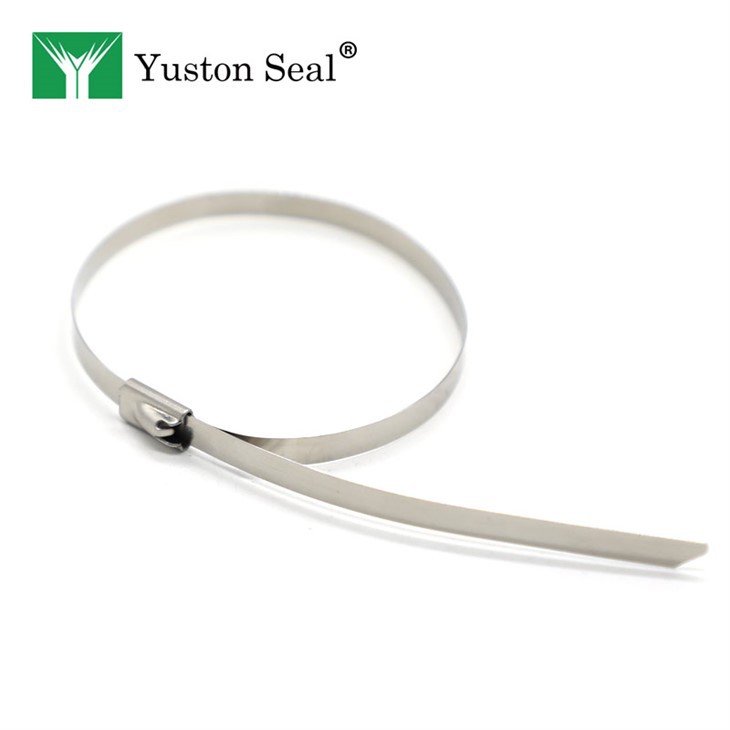
If you're using stainless steel ties in an environment where there's a lot of vibration, you might wanna use a locking mechanism. Some of the Stainless Steel Locking Wire Ties are designed to stay in place even when there's movement. This helps prevent the tie from loosening over time, which could lead to a safety hazard.
Environmental Precautions
Stainless steel is known for its corrosion resistance, but that doesn't mean it's invincible. If you're using the ties in a harsh environment, like a place with a lot of chemicals or high humidity, you need to take extra precautions.
For example, in a chemical plant, some chemicals can react with the stainless steel and cause corrosion. You might need to choose a special type of stainless steel tie that's more resistant to those chemicals. And if you're using the ties outdoors in a humid climate, make sure they're properly coated or treated to prevent rust.
Electrical Precautions
If you're using stainless steel ties in an electrical environment, be extra careful. Stainless steel is a conductor of electricity. So, if the ties come into contact with live wires, it can create a short - circuit.
Before you install the ties, make sure the power is turned off. And if you're tying up electrical cables, use insulating materials to separate the ties from the wires. This will prevent any electrical accidents.
Storage Precautions
How you store your stainless steel ties also matters. You don't wanna just toss them in a corner and forget about them. Store them in a dry place. Moisture can cause the ties to rust, especially if they're not coated properly.
Keep them in a container or a box where they won't get damaged. If the ties get bent or distorted during storage, they might not work properly when you need them.
Inspection Precautions
Regularly inspect the stainless steel ties you've installed. Over time, they can wear out, especially in high - stress applications. Look for signs of corrosion, cracks, or any other damage.
If you notice any problems, replace the ties immediately. A damaged tie might not be able to hold things securely, which could lead to all sorts of issues, from equipment failure to safety hazards.
Compatibility Precautions
Make sure the stainless steel ties you're using are compatible with the materials you're tying together. For example, if you're tying a plastic object to a metal one, the tie should be able to work well with both materials. Some ties might react with certain plastics or other materials, causing damage over time.
Do a little research or test a small area before you use the ties on a large - scale project. This will save you a lot of headaches in the long run.
Disposal Precautions
When it's time to get rid of old or damaged stainless steel ties, don't just throw them in the regular trash. Stainless steel is a recyclable material, so it's better for the environment to recycle it. Check with your local recycling center to see how they handle metal recycling.
If the ties are contaminated with chemicals or other hazardous materials, you need to follow proper disposal procedures. Don't just dump them anywhere. This is important for the safety of the environment and everyone around.
Conclusion
So, there you have it, folks. Using stainless steel ties can be a great way to get things done, but you need to take these safety precautions seriously. From handling and installation to storage and disposal, every step matters.
If you're in the market for high - quality stainless steel ties, we've got you covered. We offer a wide range of Black Stainless Steel Zip Ties, Stainless Steel Locking Wire Ties, and Stainless Steel Cable Ties. If you have any questions or want to discuss your specific needs, feel free to reach out. We're here to help you find the right ties for your project and ensure you use them safely.
References
- General knowledge from years of experience in the stainless steel tie industry.
- Safety guidelines from metalworking and industrial safety standards.