

Are there any special maintenance requirements for metal container seals?
As a supplier of Metal Container Seals, I often get asked about the maintenance requirements for these essential security components. Metal container seals play a crucial role in safeguarding the contents of containers during transit and storage. They are used in a variety of industries, including shipping, logistics, and transportation, to prevent unauthorized access and ensure the integrity of the goods inside.
In this blog post, I will explore whether there are any special maintenance requirements for metal container seals and provide some practical tips on how to keep them in optimal condition.
Understanding Metal Container Seals
Before delving into maintenance requirements, it's important to understand the different types of metal container seals available. There are several common types, including Metal Trailer Seals, Truck Metal Seal, and Container Metal Strap Seal. These seals are typically made from high - quality metals such as steel or aluminum, which provide durability and resistance to tampering.
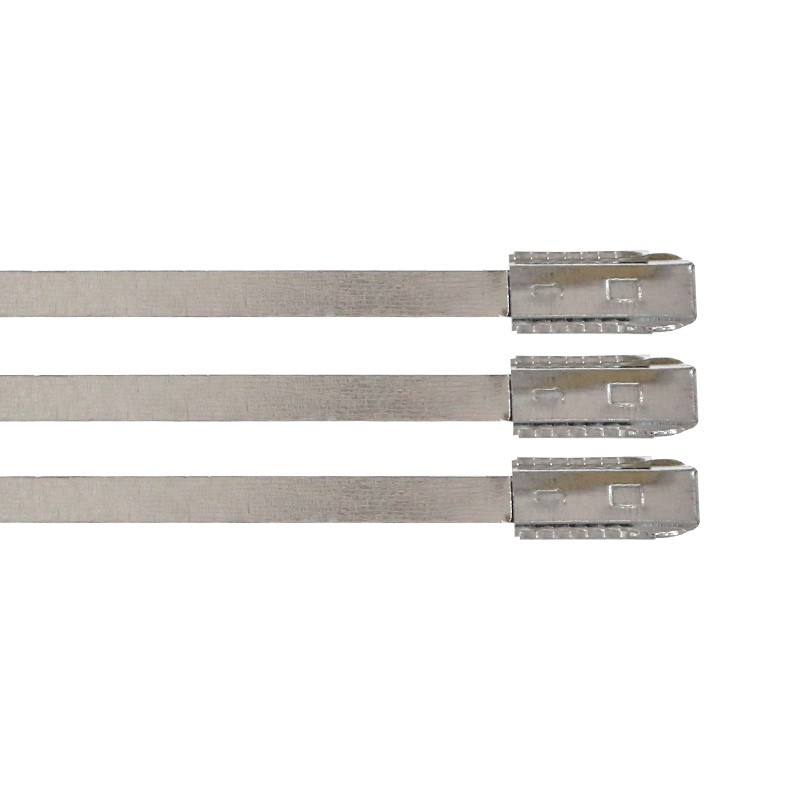
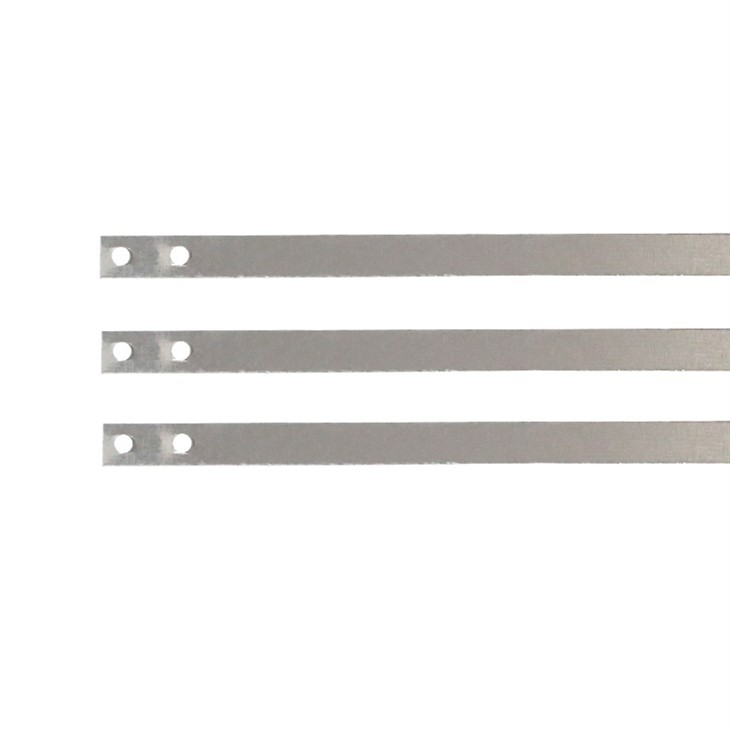
Metal container seals are designed to be single - use devices. Once they are applied to a container, they are intended to be broken only at the destination or when authorized access is required. This one - time use feature ensures the security of the container's contents, as any attempt to open the container without breaking the seal will be obvious.
General Maintenance Considerations
The good news is that metal container seals generally do not require extensive maintenance. However, there are some basic steps that can be taken to ensure their effectiveness and longevity.
Storage
Proper storage is crucial for metal container seals. They should be stored in a dry, clean environment to prevent rust and corrosion. Exposure to moisture can cause the metal to oxidize, which may weaken the seal and make it more susceptible to tampering. It's recommended to store the seals in a sealed container or a climate - controlled storage area.
Inspection
Regular inspection of metal container seals is essential. Before applying a seal to a container, it should be carefully examined for any signs of damage or defects. Look for cracks, dents, or signs of tampering on the seal body and the locking mechanism. If a seal is found to be damaged, it should not be used, as it may not provide the necessary security.
During transit, containers should be periodically inspected to ensure that the seals remain intact. Any seal that shows signs of tampering or damage should be reported immediately, and appropriate action should be taken to investigate the situation.
Cleaning
In most cases, metal container seals do not require regular cleaning. However, if they become dirty or contaminated, they can be gently cleaned with a mild detergent and a soft cloth. Avoid using abrasive cleaners or tools, as these can scratch the metal surface and compromise the integrity of the seal.
Special Situations
There are some special situations where additional maintenance or precautions may be required.
Extreme Environments
If containers are being transported through extreme environments, such as areas with high humidity, saltwater exposure, or extreme temperatures, extra care should be taken. In high - humidity or saltwater environments, the risk of corrosion is increased. Consider using seals that are specifically designed for these conditions, such as those with a protective coating.
In extreme temperature conditions, the metal may expand or contract, which could potentially affect the seal's performance. It's important to choose seals that are rated for the temperature range of the intended environment.
Long - Term Storage
For containers that are in long - term storage, the seals should be inspected more frequently. Over time, environmental factors can take a toll on the seals, even if they are stored in a proper environment. Check the seals periodically for signs of rust, corrosion, or other damage.
Impact of Maintenance on Security
Proper maintenance of metal container seals is directly related to their security function. A well - maintained seal is more likely to provide reliable protection against unauthorized access. By following the maintenance guidelines outlined above, the risk of seal failure or tampering can be significantly reduced.
For example, a rusted or corroded seal may be easier to break or manipulate, which could compromise the security of the container's contents. Regular inspection and proper storage can help prevent these issues and ensure that the seals perform as intended.
Cost - Benefit Analysis of Maintenance
While the maintenance requirements for metal container seals are relatively minimal, there is still a cost - benefit analysis to consider. The cost of proper storage, inspection, and cleaning is relatively low compared to the potential losses that could occur if a container is tampered with or its contents are stolen.
Investing in high - quality seals and following the recommended maintenance practices can save money in the long run by reducing the risk of security breaches and the associated costs, such as lost goods, insurance claims, and legal issues.
Conclusion
In conclusion, metal container seals do not have overly complex maintenance requirements. By following simple steps such as proper storage, regular inspection, and appropriate cleaning, their effectiveness and security can be ensured. Special situations, such as extreme environments or long - term storage, may require additional precautions, but with the right approach, these challenges can be easily managed.
If you are in the market for high - quality metal container seals, we are here to help. Our company offers a wide range of Metal Trailer Seals, Truck Metal Seal, and Container Metal Strap Seal that are designed to meet the highest security standards. Contact us today to discuss your specific needs and to learn more about our products. We look forward to working with you to ensure the security of your containers and their contents.
References
- Industry standards for metal container seals
- Research on the effects of environmental factors on metal corrosion
- Best practices for container security in the shipping and logistics industry