

In the realm of logistics and transportation, the security of trailer containers is of paramount importance. Trailer container locks are a crucial component in safeguarding the valuable cargo within these containers. But the question that often arises is: Can a trailer container lock prevent theft completely? As a supplier of Trailer Container Locks, I will delve into this topic, exploring the capabilities and limitations of these locks.
The Role of Trailer Container Locks
Trailer container locks serve as the first line of defense against unauthorized access to containers. They are designed to secure the container doors, preventing them from being opened without proper authorization. These locks come in various types, including padlocks, bolt seals, and high - security locking systems. Each type has its own features and levels of security.
Padlocks are one of the most common types of trailer container locks. They are relatively inexpensive and easy to use. However, they may not offer the highest level of security as they can be picked or cut with the right tools. Bolt seals, on the other hand, are single - use locks that provide a high level of tamper - evidence. Once a bolt seal is broken, it is obvious that the container has been accessed. High - security locking systems, such as those with advanced keying mechanisms or electronic components, offer even greater protection.
Factors Affecting the Effectiveness of Trailer Container Locks
Quality of the Lock
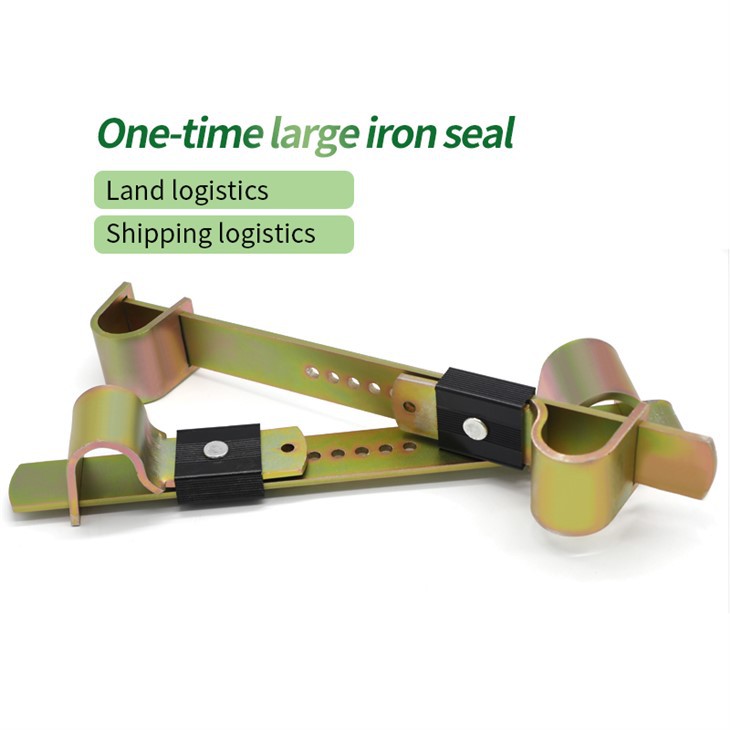
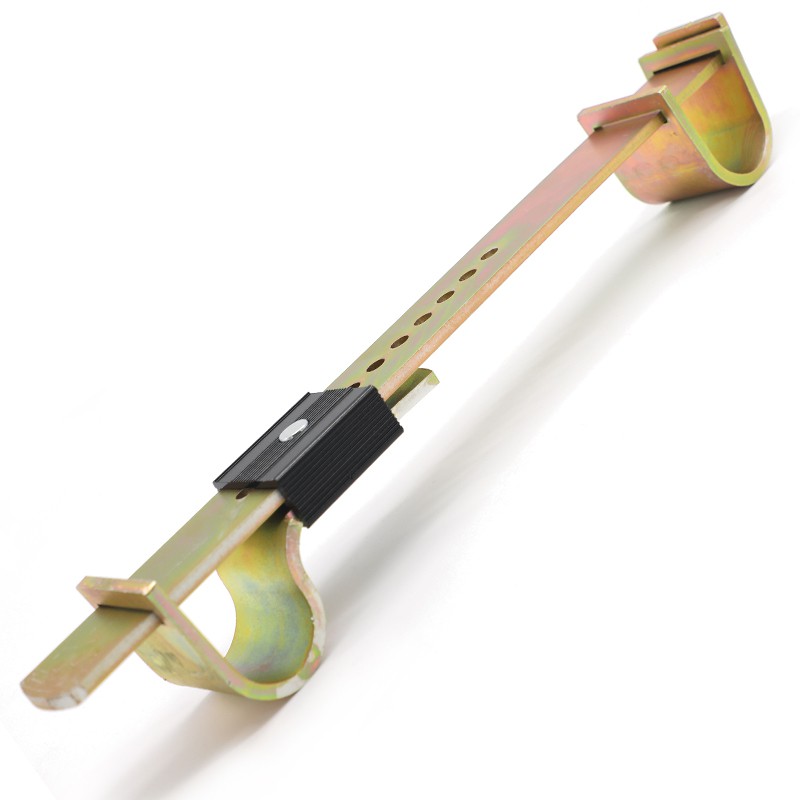
The quality of the trailer container lock plays a significant role in its ability to prevent theft. A high - quality lock is made from durable materials, such as hardened steel, and is designed to resist cutting, picking, and drilling. For example, our Trailer Container Lock is crafted with precision using top - grade materials, ensuring maximum security. It undergoes rigorous testing to meet international security standards.
Installation
Proper installation of the lock is crucial. If a lock is not installed correctly, it may be easier for thieves to bypass it. For instance, if a padlock is not properly aligned or if a bolt seal is not tightened securely, it can be more vulnerable to tampering. Our team provides detailed installation instructions to ensure that our customers can install the locks correctly and effectively.
Environment
The environment in which the container is stored or transported can also affect the effectiveness of the lock. For example, if a container is stored in a high - crime area or in an area with poor lighting, it may be more at risk of theft. In addition, extreme weather conditions, such as heavy rain or snow, can cause the lock to rust or corrode over time, reducing its effectiveness. Our locks are designed to withstand various environmental conditions, but it is still important for customers to take appropriate measures to protect the locks.
Thieves' Techniques
Thieves are constantly evolving their techniques to bypass locks. They may use advanced tools, such as hydraulic cutters or lock - picking devices, to gain access to containers. Some thieves may also use distraction techniques or collaborate with insiders to facilitate theft. As a result, no lock can completely eliminate the risk of theft. However, a high - quality trailer container lock can significantly increase the difficulty and time required for thieves to break in, which may deter them from attempting the theft.
The Limitations of Trailer Container Locks
While trailer container locks are an important security measure, they have their limitations. No lock is completely immune to theft. Even the most advanced locks can be defeated by determined thieves with the right tools and skills. For example, some high - tech thieves may use electronic devices to bypass electronic locks.
In addition, trailer container locks only protect the container doors. Thieves may find other ways to access the cargo, such as cutting through the container walls or using ventilation openings. Therefore, it is important to use trailer container locks in conjunction with other security measures, such as surveillance cameras, alarms, and security personnel.
Complementary Security Measures
Surveillance Systems
Surveillance cameras can provide real - time monitoring of the container area. They can record any suspicious activities and help identify the thieves. In addition, the presence of surveillance cameras can act as a deterrent to potential thieves.
Alarms
Alarm systems can be installed on the containers or in the storage area. When the lock is tampered with or the container is opened without authorization, the alarm will sound, alerting the security personnel or the authorities.
Security Personnel
Having security personnel on site can provide an additional layer of protection. They can patrol the area, check the locks regularly, and respond quickly to any security incidents.
Conclusion
In conclusion, while a trailer container lock cannot prevent theft completely, it is an essential part of a comprehensive security strategy. A high - quality lock, such as our Adjustable Container Lock or Container Security Lock, can significantly increase the security of the container and deter potential thieves. However, it is important to use these locks in combination with other security measures to provide the best possible protection for your valuable cargo.
If you are interested in enhancing the security of your trailer containers, we invite you to contact us for more information about our range of trailer container locks. We are committed to providing high - quality products and excellent customer service. Our team of experts can help you choose the right lock for your specific needs and provide you with all the support you need during the purchasing and installation process. Let's work together to safeguard your cargo and ensure the smooth operation of your logistics business.
References
- "Container Security Best Practices" - International Maritime Organization
- "Security Standards for Cargo Locks" - American National Standards Institute
- "The Impact of Locks on Cargo Theft Prevention" - Journal of Logistics Security Research