

In the fast - paced and highly technological world of the electronics industry, security and integrity are of utmost importance. Lead seals play a crucial and often underestimated role in ensuring these aspects. As a lead seal supplier, I have witnessed firsthand the significance of these small yet powerful devices. In this blog, we will delve into how lead seals work in the electronics industry and understand their various applications.
The Basics of Lead Seals
Lead seals are essentially security devices made from lead or a lead - based alloy. They are designed to provide a tamper - evident indication. The basic principle is simple: once a lead seal is applied to an item, any attempt to break or remove it will leave visible marks. This makes it very obvious if someone has tried to access or interfere with the sealed object.
The manufacturing process of lead seals involves melting down lead and then pouring it into specific molds. These molds are designed to create seals with standardized shapes and sizes. After the lead has cooled and solidified, the seal is often stamped with a unique identification number or a company logo. This unique identifier is crucial as it allows for easy tracking and verification of the seal's origin and usage.
Working Mechanism in the Electronics Industry
Protection of Electrical Components and Equipment
One of the primary applications of lead seals in the electronics industry is to secure electrical components during transportation and storage. Electronic components are often sensitive and valuable, and any unauthorized access or tampering could lead to malfunctions, data loss, or even safety hazards.
For example, when a batch of high - end microchips is being shipped from the manufacturer to an assembly plant, lead seals are applied to the packaging boxes. Each box is sealed with a lead seal that has a distinct identification number. This way, at every stage of the supply chain, from the warehouse to the shipping carrier to the receiving end, the integrity of the package can be easily verified. A broken or missing lead seal immediately signals that there may have been an issue with the package.
Sealing of Electrical Meters
Lead seals are extensively used in the electric utility sector to seal electrical meters. These meters are responsible for measuring the amount of electricity consumed by a customer. To prevent meter tampering, which could result in inaccurate billing and revenue loss for the utility companies, lead seals are applied to the meter covers.
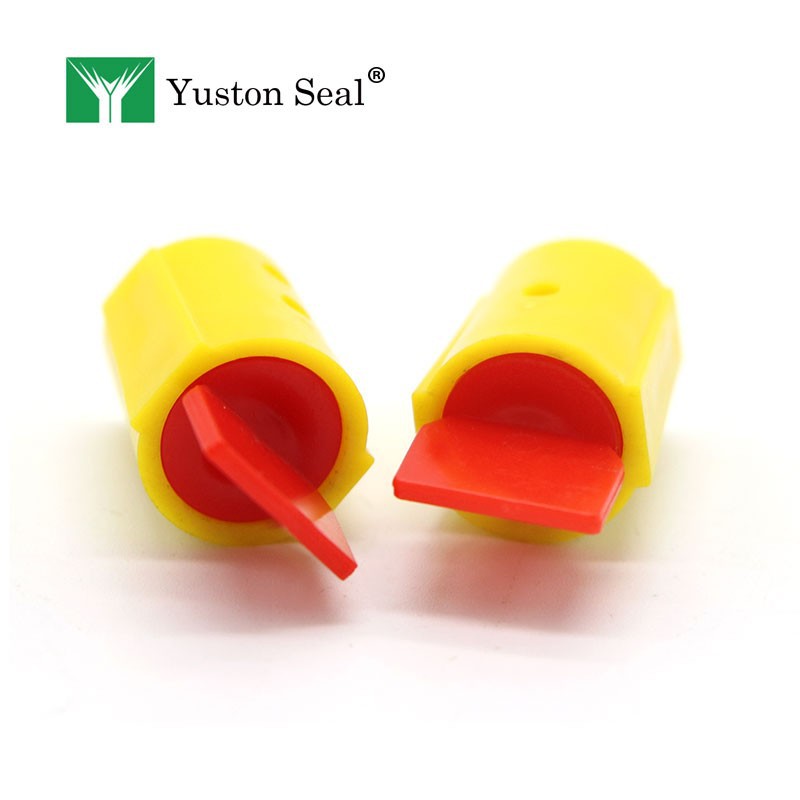
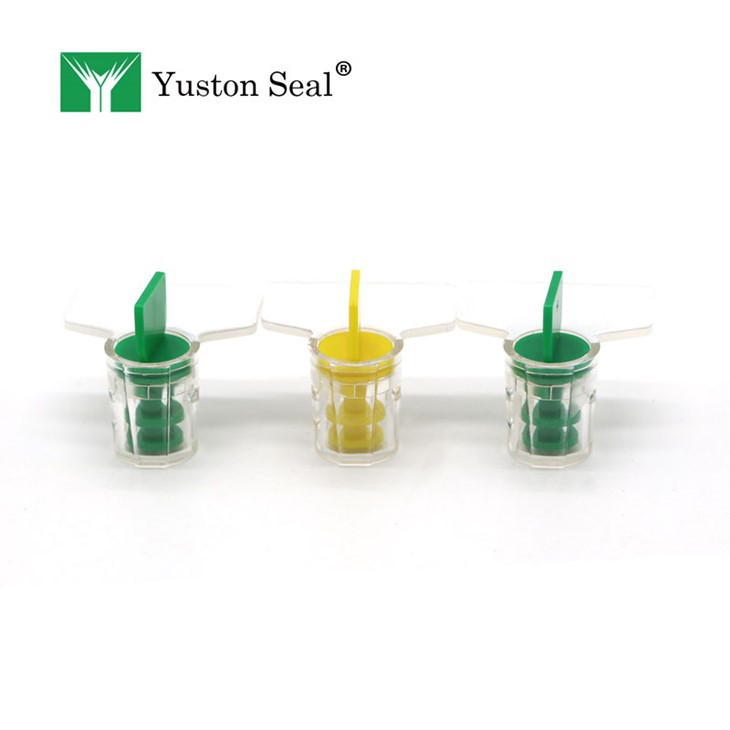
When a utility worker installs or replaces a meter, they will use a lead seal to secure the meter box. The seal ensures that only authorized personnel, who have the proper tools and procedures to break and replace the seal, can access the internal components of the meter. This not only protects the financial interests of the utility companies but also maintains the fairness of the billing system for consumers. You can find more information about different types of meter seals, such as Wire Seals For Meters, Electric Meter Box Seal, and Plastic Meter Seals on our website.
Securing Electrical Enclosures
In industrial settings, large electrical enclosures that house control panels, circuit breakers, and other electrical equipment are often sealed with lead seals. These enclosures are critical for the operation of various industrial processes, and any unauthorized access could disrupt production, cause equipment damage, or pose safety risks.
A lead seal on an electrical enclosure acts as a physical deterrent to unauthorized entry. It also provides a clear indication if someone has attempted to access the enclosure. Maintenance personnel can easily check the status of the lead seal before performing any work on the equipment. If the seal is intact, it gives an initial assurance that the equipment has not been tampered with since the last inspection.
Types of Lead Seals Used in Electronics
Traditional Lead Seals
These are the most common type of lead seals. They are relatively simple in design and are often made from pure lead or a lead - antimony alloy. Traditional lead seals are easy to apply using a pair of pliers or a specialized sealing tool. They are cost - effective and are widely used for general security applications in the electronics industry, such as sealing small electronic component packages.
High - Security Lead Seals
For more sensitive applications, high - security lead seals are used. These seals are designed with additional features to make them more difficult to tamper with. They may have a more complex internal structure, such as a locking mechanism that makes it almost impossible to remove the seal without breaking it visibly. High - security lead seals are often used for sealing high - value electrical equipment or for applications where strict security regulations must be met.
Custom - Printed Lead Seals
Custom - printed lead seals are becoming increasingly popular in the electronics industry. These seals can be printed with a company's logo, a specific serial number, or other important information. This allows for better brand identification and more precise tracking. For example, an electronics manufacturer may use custom - printed lead seals on their products to enhance brand security and make it easier to trace products in case of any issues.
The Importance of Quality Control
As a lead seal supplier, I understand the critical role of quality control in the production of lead seals for the electronics industry. High - quality lead seals are essential to ensure reliable tamper - evident protection.
During the manufacturing process, strict quality control measures are implemented. This includes testing the hardness and durability of the lead alloy, ensuring the accuracy of the stamping process for the identification numbers, and checking the overall integrity of the seal design. Any lead seal that does not meet the specified quality standards is rejected.
In addition, regular audits and inspections are carried out to maintain the quality of the production process. This helps to ensure that every lead seal that leaves our facility is of the highest quality and can provide effective security in the electronics industry.
Advantages of Using Lead Seals in Electronics
Cost - Effectiveness
Lead seals are relatively inexpensive compared to other security solutions. They provide a cost - effective way to secure electronic components, meters, and enclosures without breaking the bank. This makes them a popular choice for both small and large electronics companies.
Ease of Use
Applying a lead seal is a simple process that can be done quickly with minimal training. This means that workers on the production line, in the shipping department, or in the field can easily use lead seals to secure the necessary items. The simplicity of the application process also reduces the risk of human error.
Visible Tamper Evidence
The most significant advantage of lead seals is their ability to provide visible tamper evidence. In the electronics industry, where the integrity of products and systems is crucial, the ability to quickly detect if there has been any tampering is invaluable. This allows for prompt action to be taken to address any potential issues.
Conclusion
In conclusion, lead seals play a vital role in the electronics industry by ensuring the security and integrity of electrical components, meters, and enclosures. Their simple yet effective working mechanism, combined with the various types available to suit different needs, makes them an essential tool for electronics companies.
As a lead seal supplier, we are committed to providing high - quality lead seals that meet the strict requirements of the electronics industry. If you are in the electronics business and are looking for reliable lead seals for your security needs, we invite you to contact us for a procurement discussion. We can offer you a wide range of lead seal options and provide you with the best solutions tailored to your specific requirements.
References
- "Security Seal Handbook" by International Association for the Security Transport Association
- "Electrical Equipment Protection and Security" by Institute of Electrical and Electronics Engineers (IEEE)