

Can bolt seals be used on cargo doors? This is a question that often arises in the logistics and transportation industry. As a leading bolt seal supplier, I am well - versed in the properties and applications of bolt seals, and I'm here to provide a comprehensive answer to this question.
Understanding Bolt Seals
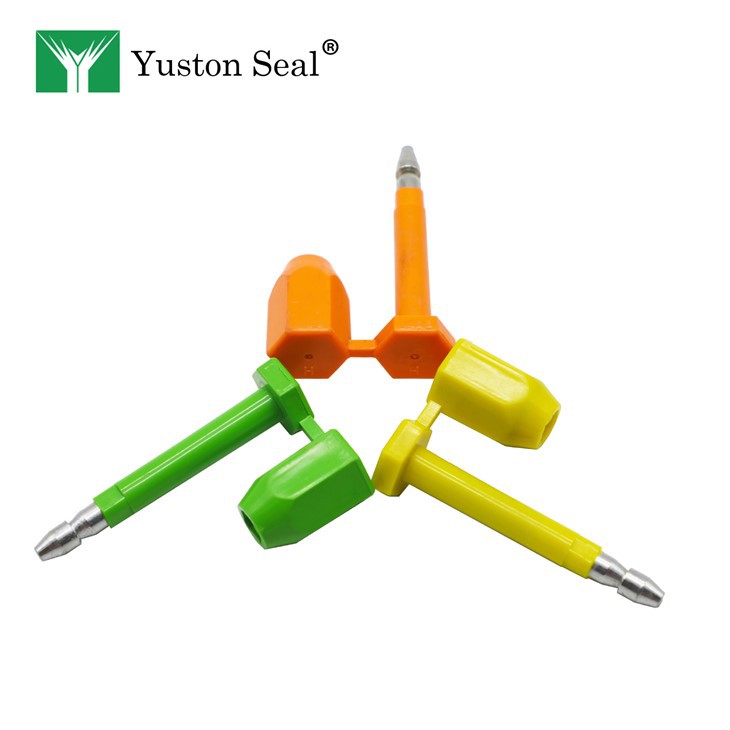
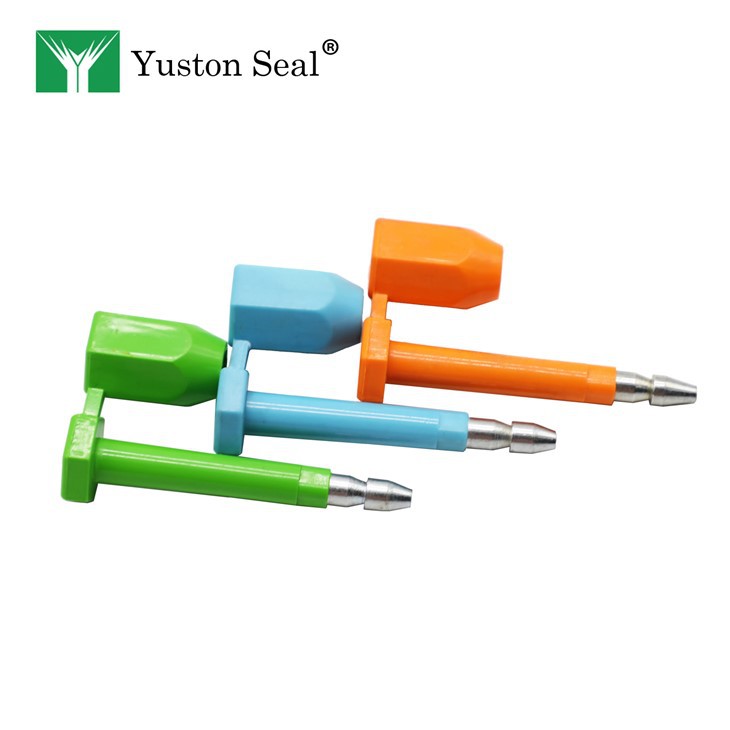
Bolt seals are a type of high - security seal commonly used in various industries. They are typically made of strong materials such as steel or alloy, which offer excellent resistance to tampering. The design of a bolt seal usually consists of a bolt and a locking mechanism. Once the bolt is inserted through the hasp or locking point and locked, it cannot be removed without breaking the seal.
There are different types of bolt seals available in the market, each with its own unique features and applications. For example, Security Bolt Seals are designed specifically for high - security environments. These seals often come with advanced anti - tampering features, such as unique serial numbers and tamper - evident markings. Any attempt to break or manipulate the seal will be clearly visible, providing an extra layer of security for the cargo.
Suitability of Bolt Seals for Cargo Doors
When it comes to using bolt seals on cargo doors, there are several factors to consider.
Security
One of the primary reasons for using bolt seals on cargo doors is security. Cargo doors are the entry points to the goods being transported, and they need to be protected from unauthorized access. Bolt seals offer a high level of security due to their robust construction. Thieves or unauthorized individuals will find it extremely difficult to break a bolt seal without leaving obvious signs of tampering. This makes bolt seals an ideal choice for protecting valuable or sensitive cargo.
For example, in the transportation of high - end electronics or pharmaceuticals, the use of Container Seal on cargo doors can prevent theft and ensure the integrity of the products. The unique serial number on each seal can also be used for tracking and auditing purposes, allowing logistics companies to monitor the security of their shipments throughout the journey.
Durability
Cargo doors are exposed to various environmental conditions during transportation, including vibrations, temperature changes, and moisture. Bolt seals are designed to withstand these harsh conditions. They are made of durable materials that can resist corrosion, rust, and physical damage. This means that bolt seals can maintain their integrity and security function even in challenging transportation environments.
For instance, Ocean Container Seals are specifically designed for use in maritime transportation. They are built to withstand the corrosive effects of saltwater and the rough conditions of the open sea. When used on cargo doors of ocean containers, these seals can provide long - term security for the goods inside.
Ease of Use
Bolt seals are relatively easy to install and remove. They can be quickly applied to the cargo door hasps using simple tools. This ease of use is beneficial for logistics workers, as it reduces the time and effort required to secure the cargo. At the same time, the installation process is straightforward enough that it can be standardized across different shipments, ensuring consistent security levels.
Limitations and Considerations
While bolt seals offer many advantages for use on cargo doors, there are also some limitations and considerations.
Cost
Compared to some other types of seals, bolt seals can be relatively expensive. The cost of materials, manufacturing, and the added security features all contribute to the higher price. This may be a concern for some logistics companies, especially those with large - scale operations and tight budgets. However, it's important to consider the long - term benefits of using bolt seals, such as reduced theft and damage to the cargo, which can ultimately result in cost savings.
Compatibility
Not all cargo doors are suitable for bolt seals. The design of the cargo door hasps or locking points needs to be compatible with the size and shape of the bolt seal. In some cases, modifications may be required to ensure a proper fit. This can add to the installation time and cost. It's essential for logistics companies to carefully assess the compatibility of bolt seals with their cargo doors before making a purchase.
Industry Standards and Regulations
The use of bolt seals on cargo doors is also influenced by industry standards and regulations. Many countries and international organizations have established guidelines for the security of cargo transportation. These regulations often require the use of high - security seals on cargo doors to prevent smuggling, theft, and other illegal activities.
For example, the International Maritime Organization (IMO) has set standards for container security, which include the use of approved seals on cargo doors. By using bolt seals that meet these standards, logistics companies can ensure compliance with the regulations and avoid potential fines or penalties.
Conclusion
In conclusion, bolt seals can be effectively used on cargo doors. They offer high - level security, durability, and ease of use, making them a popular choice in the logistics and transportation industry. However, logistics companies need to carefully consider the cost, compatibility, and regulatory requirements before deciding to use bolt seals.
As a bolt seal supplier, I am committed to providing high - quality bolt seals that meet the diverse needs of our customers. If you are interested in learning more about our products or have any questions regarding the use of bolt seals on cargo doors, I encourage you to contact us for a detailed discussion. We can provide you with customized solutions based on your specific requirements and help you enhance the security of your cargo transportation.
References
- International Maritime Organization (IMO) - Container Security Regulations
- Industry reports on cargo security and seal usage