

Meter seals have played a crucial role in safeguarding the integrity of metering equipment across various industries for centuries. As a meter seal supplier, I have witnessed firsthand the remarkable evolution of these essential devices. In this blog, I'll take you on a journey through time to explore how meter seals have changed and adapted to meet the ever - changing needs of security and accountability.
Early Beginnings: The Era of Simple Seals
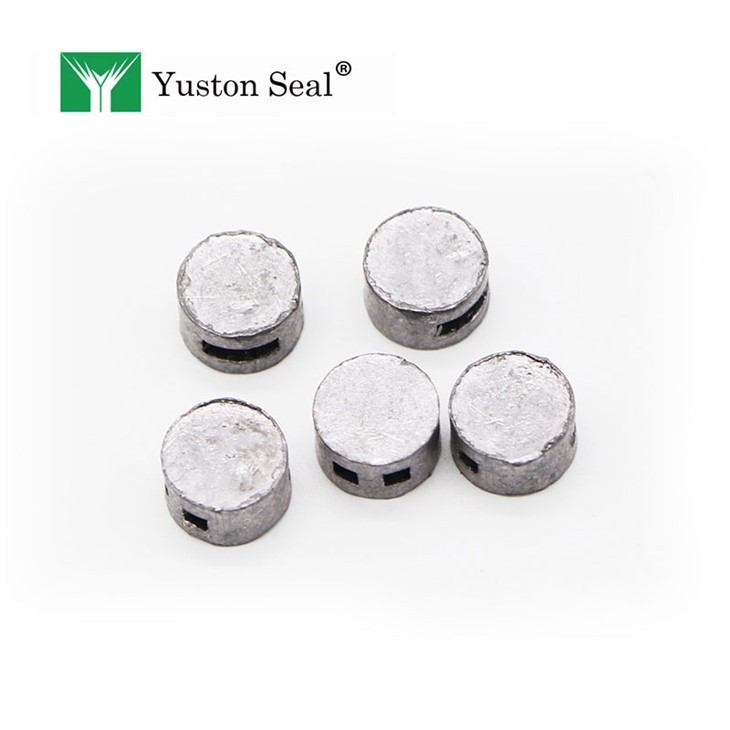
In the early days, meter seals were relatively basic. The primary goal was to provide a visible indication if a meter had been tampered with. One of the earliest types of meter seals was the lead seal. Lead has been used for sealing purposes since ancient times due to its malleability. A lead seal could be easily molded around a meter's access point, such as a valve or a connection. Once sealed, any attempt to open the meter would deform the lead, leaving an obvious sign of tampering.
These lead seals were simple to produce and install. They were often stamped with a unique identifier, such as a serial number or a company logo, to provide traceability. However, they had their limitations. Lead is a relatively soft metal, and it could be easily cut or manipulated with basic tools. As technology advanced and the need for more secure seals grew, the limitations of lead seals became increasingly apparent. You can learn more about lead seals on our website: Lead Seal.
The Industrial Revolution and the Need for Enhanced Security
The Industrial Revolution brought about a significant increase in the use of meters for measuring various resources, such as water, gas, and electricity. With the growth of large - scale industries, the stakes for meter integrity became much higher. There was a greater incentive for individuals to tamper with meters to avoid paying for the resources they consumed.
This led to the development of more sophisticated meter seals. One such innovation was the introduction of wire seals for meters. Wire seals are made of strong, durable wires that are threaded through the meter's access points and then locked in place. These seals are much more difficult to cut or remove without leaving obvious signs of tampering. The wire can be made from materials like stainless steel, which offers high strength and resistance to corrosion.
Wire seals also allowed for more complex locking mechanisms. For example, some wire seals used a unique locking device that could only be opened with a special key or tool. This added an extra layer of security and made it more challenging for unauthorized individuals to access the meter. To find out more about wire seals for meters, visit Wire Seals For Meters.
The Digital Age: Incorporating Technology into Meter Seals
As we entered the digital age, the concept of meter seals underwent another major transformation. With the widespread use of digital meters, there was a need for seals that could not only provide physical security but also interact with digital systems.
Modern meter seals now often incorporate electronic components. These seals can be equipped with sensors that detect any attempt to tamper with the meter. For example, a seal might have a motion sensor that triggers an alarm if the seal is moved or a vibration sensor that detects if the meter has been struck.
Some digital meter seals also use radio - frequency identification (RFID) technology. RFID tags can store information about the seal, such as its serial number, installation date, and the status of the seal (whether it has been tampered with or not). This information can be easily read by a handheld scanner, allowing for quick and efficient verification of the seal's integrity.
The integration of technology into meter seals has also enabled remote monitoring. Utility companies can now receive real - time alerts if a meter seal has been tampered with, allowing them to take immediate action. This has significantly improved the security and accountability of metering systems.
Regulatory Requirements and Standardization
Over time, regulatory bodies around the world have recognized the importance of meter seal integrity. As a result, there have been increasing regulatory requirements for the use of secure meter seals. These regulations aim to ensure that meters are accurately measuring the consumption of resources and that consumers are billed fairly.
Standardization has also played a crucial role in the evolution of meter seals. International standards have been developed to define the requirements for meter seal design, performance, and testing. These standards ensure that meter seals from different suppliers are reliable and meet a common level of quality.
For example, standards might specify the minimum strength of a seal, the durability of the materials used, and the accuracy of the identification markings. Compliance with these standards is essential for meter seal suppliers to ensure that their products are accepted in the market.
The Future of Meter Seals
Looking ahead, the evolution of meter seals is likely to continue at a rapid pace. With the increasing adoption of smart grids and the Internet of Things (IoT), meter seals will need to become even more integrated with digital systems.
We can expect to see the development of meter seals that are capable of communicating directly with the grid infrastructure. These seals could provide real - time data on the status of the meter, such as the integrity of the seal, the consumption patterns, and any potential signs of tampering.
Another area of development is the use of biometric technology in meter seals. Biometric sensors, such as fingerprint or iris scanners, could be incorporated into seals to ensure that only authorized personnel can access the meter. This would provide an even higher level of security and prevent unauthorized tampering.
Why Choose Our Meter Seals?
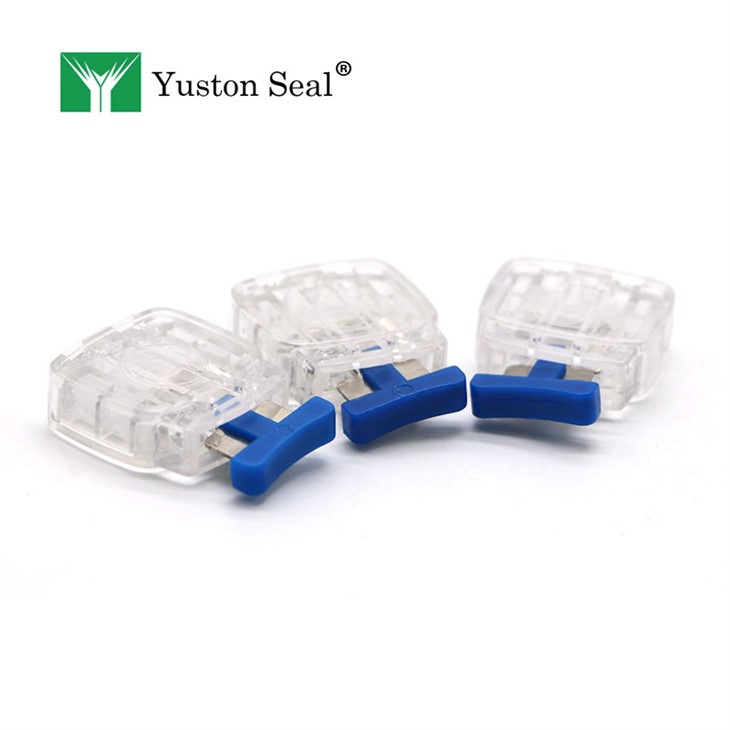
As a meter seal supplier, we are committed to staying at the forefront of this evolution. We offer a wide range of meter seals, including Security Meter Seals, lead seals, and wire seals for meters, that are designed to meet the highest standards of security and quality.
Our seals are manufactured using the latest technologies and materials to ensure durability and reliability. We also invest in research and development to continuously improve our products and meet the changing needs of our customers.
If you are in the market for high - quality meter seals, we invite you to contact us for a detailed discussion about your requirements. Our team of experts is ready to assist you in finding the perfect meter seal solution for your specific application. Whether you are a utility company, an industrial user, or a regulatory body, we have the expertise and the products to meet your needs.
References
- Industry reports on meter seal technology and market trends.
- International standards for meter seals issued by relevant regulatory bodies.
- Academic research on the security and integrity of metering systems.