

Can container plastic seals be used in extreme temperatures? That's a question I get asked a lot as a supplier of Container Plastic Seals. And it's a valid one, considering the diverse environments these seals might have to endure.
Let's start by understanding what we mean by extreme temperatures. Extreme cold could be in the Arctic regions where temperatures can drop well below -20°C (-4°F). On the flip side, extreme heat can be found in deserts where temperatures can soar above 50°C (122°F). These are the kinds of conditions that can really test the limits of any material, including the plastic used in our container seals.
How Plastic Reacts to Cold
Plastic is a polymer, and its properties change with temperature. In cold conditions, plastic becomes more brittle. This is because the molecules in the plastic slow down and become less flexible. Think of it like a rubber band that's been left in the freezer. When you try to stretch it, it snaps easily.
For container plastic seals, this brittleness can be a big problem. If a seal is exposed to extreme cold and then subjected to any kind of force, like being bumped or jostled during transportation, it might crack or break. This compromises the security of the container, as a broken seal can be easily tampered with.
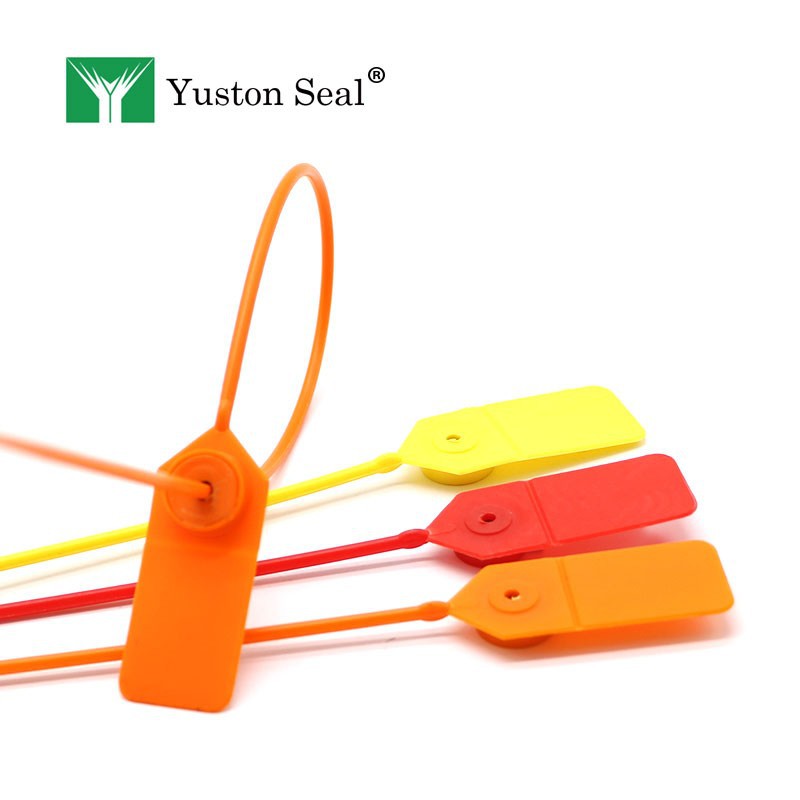
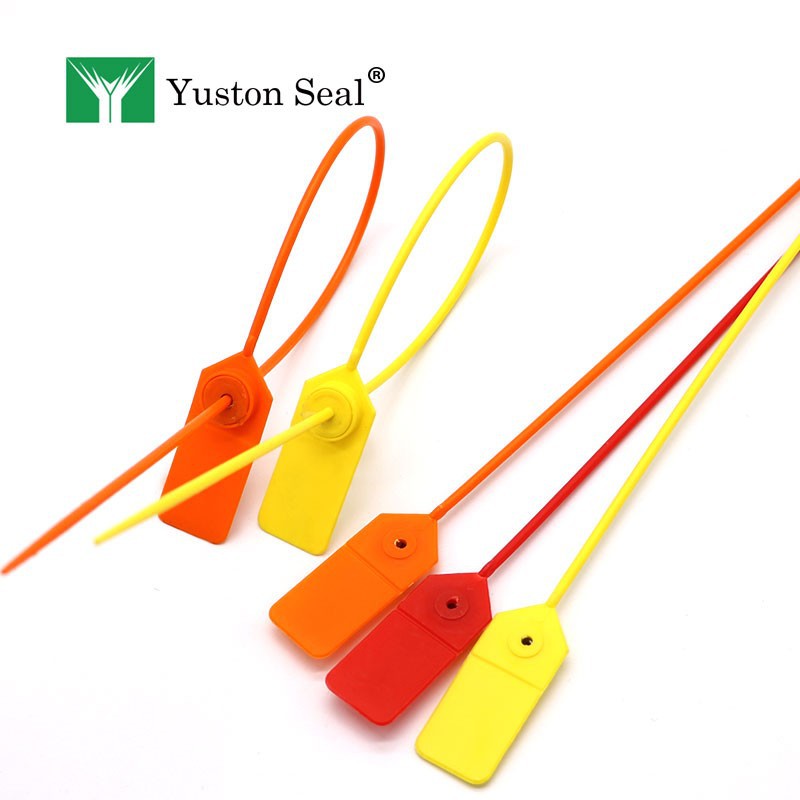
However, not all plastics are created equal. Some plastics are formulated to be more cold-resistant. At our company, we offer Heavy Duty Plastic Seals that are made from high-quality polymers designed to withstand lower temperatures. These seals have a higher impact resistance even in cold environments, reducing the risk of breakage.
The Effects of Extreme Heat
Heat can be just as challenging for plastic seals. When plastic is exposed to high temperatures, it can start to soften and deform. This is because the heat gives the molecules in the plastic more energy, causing them to move around more freely.
In the case of container seals, softening can lead to a loss of integrity. The seal might not hold its shape properly, which means it won't provide a secure closure for the container. Also, if the plastic becomes too soft, it could potentially melt, rendering the seal completely useless.
But again, we've got solutions. Our Security Seals are made from heat-resistant plastics. These materials have a higher melting point and better dimensional stability at elevated temperatures. So, even in hot climates or when containers are stored in direct sunlight, our seals can maintain their shape and functionality.
Testing in Extreme Conditions
We don't just claim that our container plastic seals can handle extreme temperatures; we put them to the test. In our in - house testing facilities, we simulate both extreme cold and heat conditions. We expose the seals to these temperatures for extended periods and then subject them to various stress tests.
For example, in the cold test, we place the seals in a freezer set to -30°C (-22°F) for 24 hours. After that, we try to bend and twist the seals to see if they crack. In the heat test, we use a heat chamber set to 60°C (140°F) and monitor the seals for any signs of deformation or melting.
Based on these tests, we can confidently say that our seals are up to the challenge. They are designed to perform reliably in a wide range of temperatures, ensuring the security of your containers no matter where they are shipped.
Specialized Seals for Specific Needs
Sometimes, standard seals might not be enough. That's why we also offer First Aid Kit Security Seals. These seals are often used in medical or emergency response situations where the contents need to be protected from tampering.
In extreme temperature environments, these seals need to be even more reliable. For example, in a disaster - relief area where temperatures can vary wildly, the first - aid kits need to be sealed properly to ensure the integrity of the medical supplies inside. Our first - aid kit seals are made from materials that can withstand these harsh conditions, providing an extra layer of security.
Real - World Applications
I've seen firsthand how our container plastic seals perform in real - world scenarios. For instance, we had a client who was shipping food products to a cold - storage facility in Canada. The journey involved transporting the containers through extremely cold regions. They were worried about the seals breaking due to the cold, but our heavy - duty plastic seals held up perfectly.
On the other hand, we also had a customer shipping electronics to a desert country. The containers were exposed to intense heat during transit, but our heat - resistant security seals maintained their integrity, ensuring that the contents arrived safely and without any signs of tampering.
Making the Right Choice
When choosing container plastic seals for extreme temperature environments, it's important to consider the specific temperature range and the type of container or application. If you're dealing with cold temperatures, look for seals with high impact resistance and cold - flexibility. For hot climates, opt for seals made from heat - resistant plastics.
At our company, we're always here to help you make the right choice. We can provide you with detailed information about the performance of our seals in different temperature conditions and recommend the best product for your needs.
Contact Us for Your Sealing Needs
If you're in the market for container plastic seals that can handle extreme temperatures, don't hesitate to reach out. Whether you need a small quantity for a one - time shipment or a large order for regular use, we've got you covered. Our team of experts is ready to answer your questions and assist you in finding the perfect sealing solution.
In conclusion, container plastic seals can indeed be used in extreme temperatures, but it all comes down to choosing the right product. With our high - quality seals and commitment to performance, you can have peace of mind knowing that your containers are secure, no matter the climate.
References
- "Plastics and Polymers: An Introduction" by John A. Manson and Leslie H. Sperling
- "Temperature Effects on Polymer Materials" research paper from the Journal of Polymer Science