

Hey there! As a supplier of Ear Tags For Livestock, I often get asked if there are international standards for these little but crucial pieces of equipment. Well, let's dive into this topic and see what's what.
First off, what are livestock ear tags anyway? They're those small tags that you see attached to the ears of cows, sheep, pigs, and other farm animals. They serve a bunch of important purposes. For one, they help farmers keep track of individual animals. You can put a unique number on each tag, kind of like a little ID card for the animal. This makes it easier to manage things like health records, breeding history, and even milk production if it's a dairy cow.
Now, back to the question of international standards. The short answer is, yes and no. There isn't a single, all - encompassing set of rules that every country follows to a T. But there are some widely recognized guidelines and best practices that a lot of nations take into account.
One of the most well - known international efforts in this area is the work done by the International Organization for Standardization (ISO). The ISO has developed some standards related to animal identification, which indirectly touch on ear tags. For example, ISO 11784 and ISO 11785 deal with the electronic identification of animals using radio - frequency identification (RFID) technology. These standards specify things like the data format that should be used in RFID tags, the frequency ranges for communication, and the requirements for the transponders.
When it comes to non - electronic ear tags, the situation gets a bit more complex. Different countries have their own preferences and regulations. Some countries might require that ear tags be made of certain materials to ensure they're durable and safe for the animals. For instance, tags should be made of non - toxic materials so that they don't harm the animals when they're attached to their ears.
In the European Union (EU), there are strict regulations regarding livestock identification. The EU has a system in place to ensure traceability of animals, which is crucial for food safety and disease control. Ear tags are a big part of this system. The tags must carry specific information such as the country code, a unique number for the animal, and sometimes even information about the farm where the animal was born.
Over in the United States, the Department of Agriculture (USDA) also has its own rules. They've been working on a National Animal Identification System (NAIS) to improve animal disease traceability. While the implementation of NAIS has faced some challenges, ear tags are still an important part of the identification process. The USDA has guidelines on the type of information that should be on the tags and how they should be applied.
As a supplier of Ear Tags For Livestock, I have to stay on top of all these different regulations. It's not always easy, but it's necessary to make sure that our customers can use our products legally and effectively in different parts of the world.
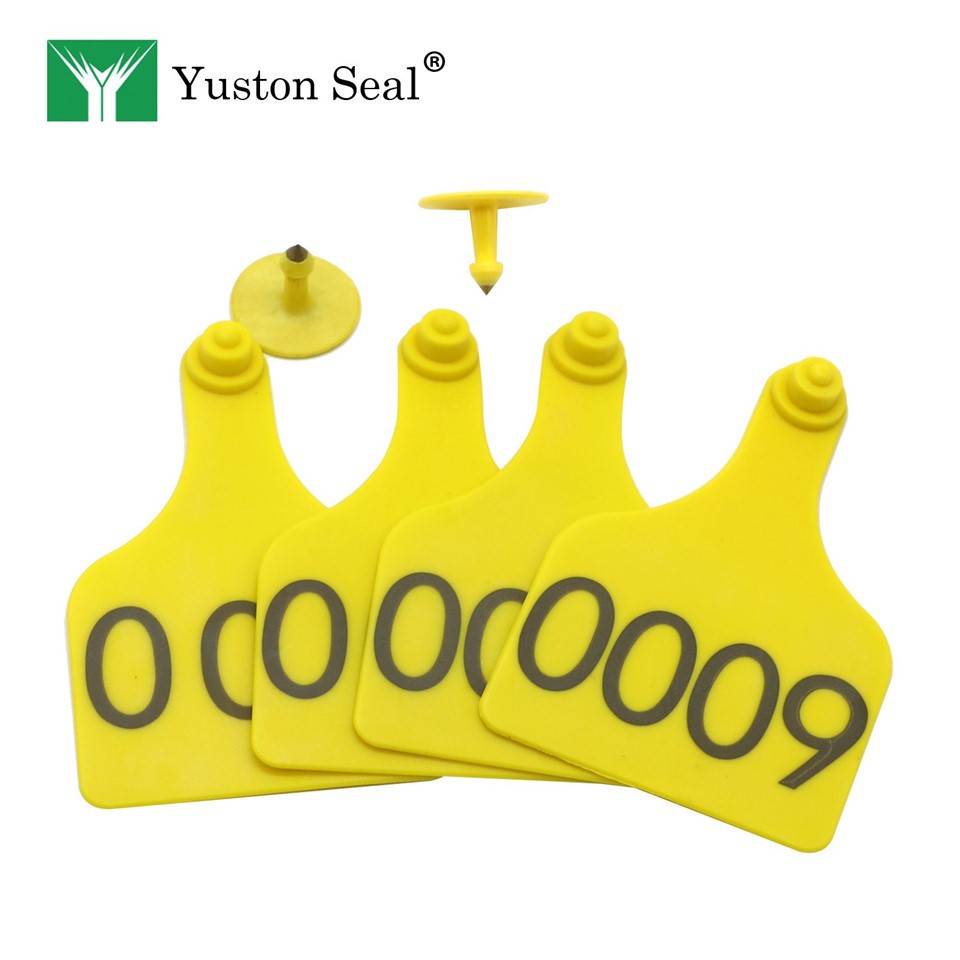
Let's talk about the different types of ear tags. There are visual tags, which are the most basic type. These are usually made of plastic or metal and have numbers or letters printed on them. You can easily read the information on these tags just by looking at them. They're great for small - scale farms where the farmer can physically check each animal.
Then there are electronic tags, like the RFID tags I mentioned earlier. These tags can store a lot more information than visual tags. They can be read from a distance using a special reader, which makes it much faster to collect data on a large number of animals. RFID tags are becoming more and more popular, especially on larger farms and in countries with strict traceability requirements.
We also offer Ear Tags For Farm Animals that are specifically designed for different types of livestock. For example, Cow Number Ear Tags are often larger and more durable than tags for smaller animals like sheep or goats. Cows are bigger and more active, so their tags need to be able to withstand more wear and tear.
One of the challenges in the ear tag industry is keeping up with the changing technology and regulations. New materials are being developed all the time that are more durable, more comfortable for the animals, and more environmentally friendly. And as countries continue to update their traceability systems, the requirements for ear tags are also likely to change.
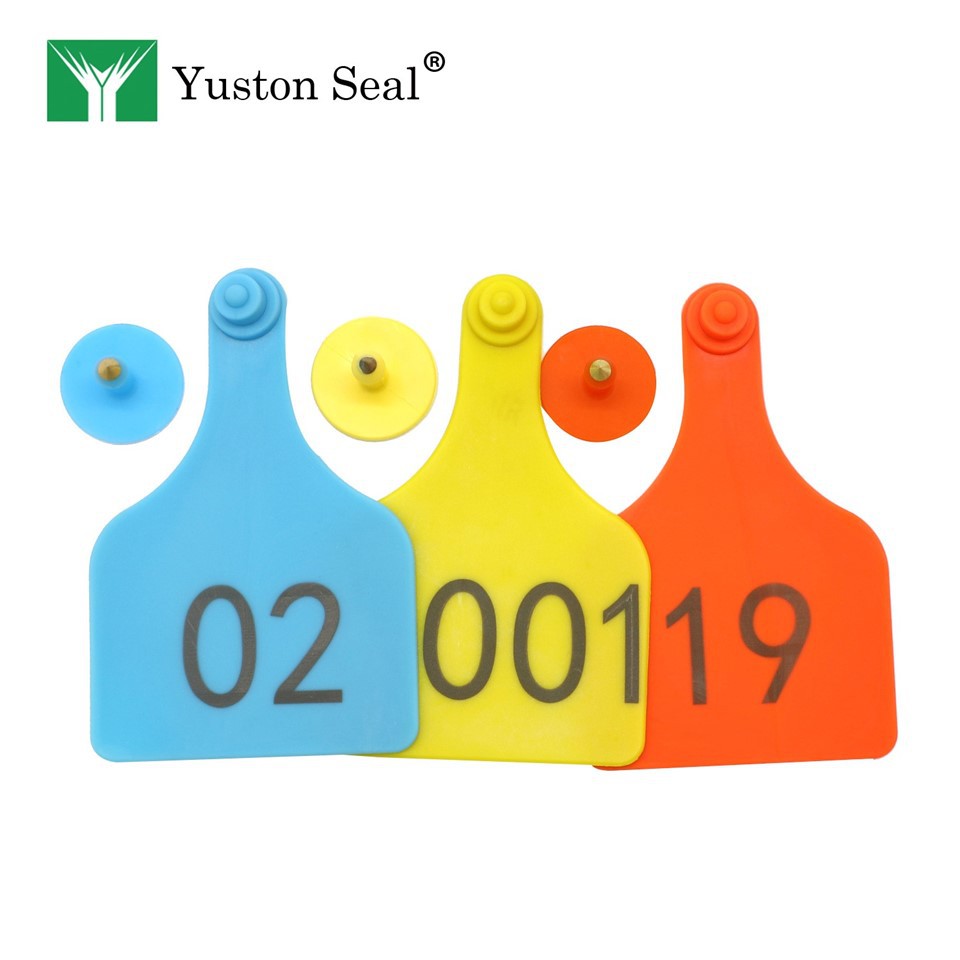
Another important aspect is the cost. Farmers are always looking for cost - effective solutions. We try to offer a range of products at different price points to meet the needs of different customers. Whether you're a small family farm or a large commercial operation, we have ear tags that can fit your budget.
So, to sum it all up, while there isn't a single international standard for livestock ear tags, there are a lot of guidelines and regulations that countries follow. These regulations are in place to ensure the safety of the animals, the traceability of the livestock, and the overall quality of the food supply. As a supplier, we have to be aware of all these factors to provide the best products to our customers.
If you're in the market for high - quality ear tags for your livestock, we'd love to hear from you. Whether you have questions about our products, need help navigating the different regulations, or just want to place an order, don't hesitate to reach out. We're here to make your livestock management easier and more efficient.
References
- International Organization for Standardization (ISO). ISO 11784 and ISO 11785.
- European Union regulations on livestock identification.
- United States Department of Agriculture (USDA) guidelines on animal identification.