

Can ear tags for livestock help with disease control?
As a supplier of Ear Tags For Livestock, I've witnessed firsthand the importance and potential of these small devices in modern livestock management, especially when it comes to disease control. In this blog, I'll delve into how ear tags can play a significant role in this crucial aspect of animal husbandry.
The Basics of Livestock Ear Tags
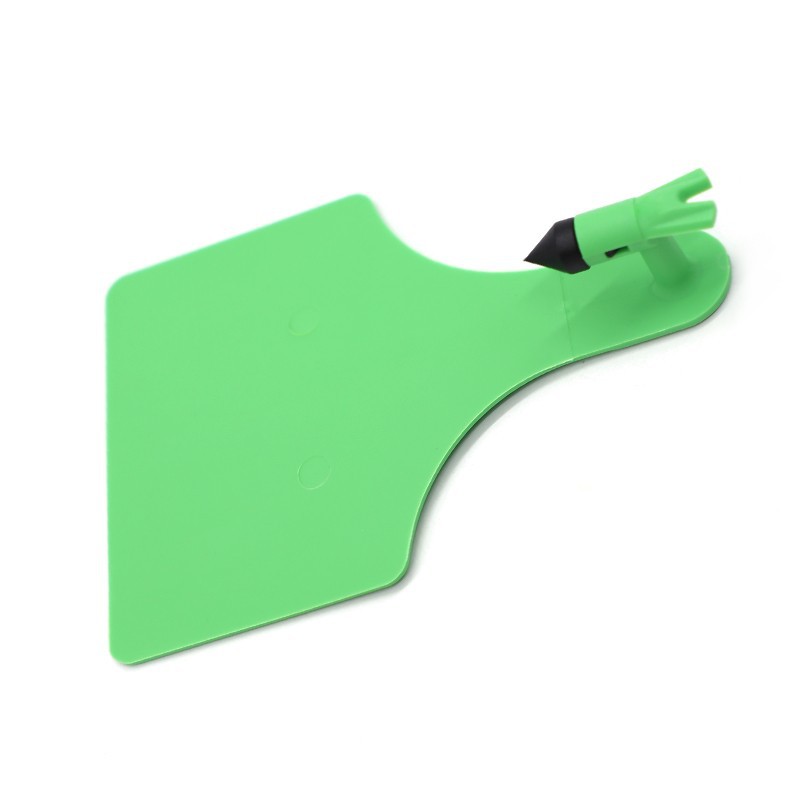
Livestock ear tags are identification devices attached to the ears of animals such as cattle, sheep, and goats. They come in various forms, including plastic, metal, and electronic tags. The most common types are visual tags with numbers or letters that can be easily read from a distance, while electronic tags, like RFID (Radio - Frequency Identification) tags, store more detailed information that can be scanned and retrieved using specialized equipment.
Ear tags serve as a permanent and reliable way to identify individual animals within a herd or flock. This identification is essential for many aspects of livestock management, from breeding and production records to health monitoring.
Disease Monitoring and Early Detection
One of the primary ways ear tags contribute to disease control is through disease monitoring. By having each animal individually tagged, farmers can keep detailed health records for every single animal. This includes information such as vaccination history, previous illnesses, and the dates of veterinary check - ups.
For example, if a particular disease is suspected to be present in a herd, farmers can quickly access the health records of each animal using the information stored with the ear tag. They can identify which animals have been vaccinated against the disease and which ones are at higher risk. This targeted approach allows for more efficient disease management.
In the case of early detection, electronic ear tags can be equipped with sensors that monitor an animal's vital signs, such as body temperature and heart rate. An increase in body temperature could be an early sign of infection. When the sensor detects abnormal vital signs, an alert can be sent to the farmer's mobile device or computer. This early warning system enables farmers to isolate the potentially sick animal immediately, preventing the spread of the disease to other members of the herd.
Traceability and Containment
In the event of a disease outbreak, traceability is of utmost importance. Ear tags provide a way to track the movement of individual animals. If an animal is diagnosed with a contagious disease, its ear tag information can be used to trace where it has been, which other animals it has come into contact with, and where it was purchased or sold.
For instance, if a sheep with a Sheep Ear Tag is found to have a disease, the tag can reveal the farm of origin, any markets it has visited, and other flocks it may have mingled with. This information is invaluable for disease containment efforts. Authorities can quickly quarantine the affected areas and test the potentially exposed animals. By being able to trace the spread of the disease accurately, the impact of the outbreak can be minimized.
Traceability also helps in international trade. Many countries have strict regulations regarding the import and export of livestock. Ear tags ensure that animals can be traced back to their source, providing assurance to importing countries that the animals are healthy and meet the required standards.
Improved Herd Health Management
Beyond disease detection and traceability, ear tags contribute to overall herd health management. By having accurate identification and health records for each animal, farmers can make more informed decisions about their livestock.
For example, they can implement targeted vaccination programs based on the individual needs of each animal. Some animals may be more susceptible to certain diseases due to their age, breed, or previous health history. With the information from the ear tags, farmers can ensure that these high - risk animals receive the appropriate vaccinations at the right time.
Moreover, ear tags can be used to manage the treatment of sick animals. Farmers can record the medications administered to each animal and the dosages used. This helps in preventing over - or under - medication and ensures that the treatment is effective.
The Role of Different Types of Ear Tags
Visual ear tags are the most basic and widely used type. They are inexpensive and easy to read. They are great for quick identification in the field and for keeping simple records. For example, a farmer can easily spot a tagged sheep in a large flock and know its basic identification number.
On the other hand, Ear Tag with RFID technology offer more advanced features. RFID tags can store a large amount of data, including an animal's entire health history. They can be scanned quickly and from a distance, which is especially useful when dealing with large herds. The data can be integrated into a computer system, allowing for more efficient data management and analysis.
Electronic ear tags with sensors, as mentioned earlier, take disease control to the next level. They can continuously monitor an animal's health status in real - time, providing early warnings of potential health issues.
Challenges and Considerations
While ear tags offer many benefits for disease control, there are also some challenges. One of the main challenges is the cost. Electronic ear tags and those with sensors can be relatively expensive, especially for small - scale farmers. There is also the issue of data management. With the large amount of information collected through ear tags, farmers need to have the appropriate systems in place to store, analyze, and retrieve the data effectively.
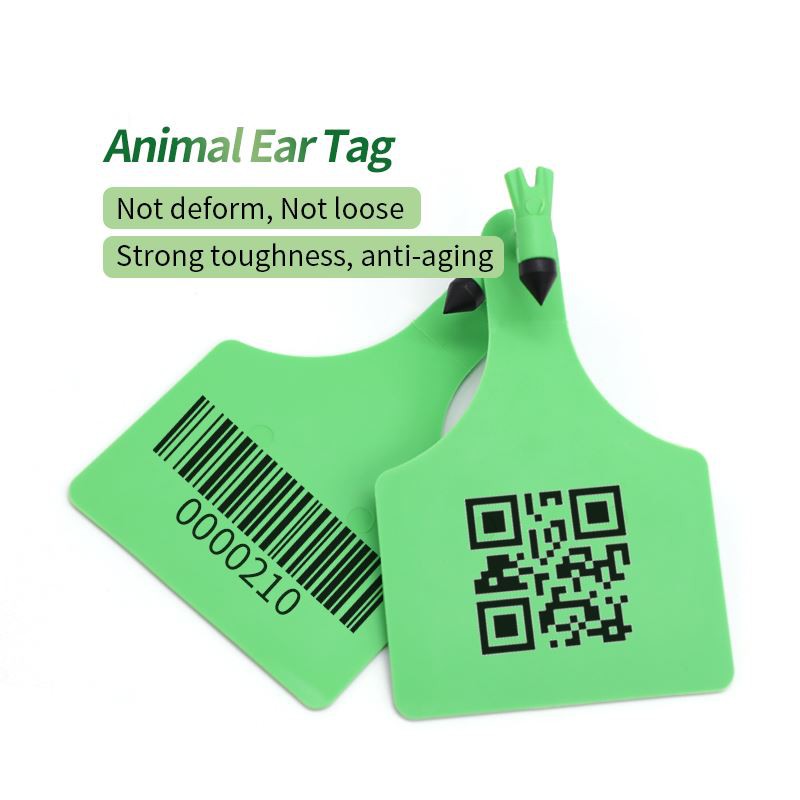
Another consideration is the durability of the ear tags. They need to be able to withstand the harsh conditions of the farm environment, including exposure to the elements, rough handling by animals, and the potential for damage during grazing or fighting. If an ear tag is lost or damaged, the valuable information it contains may be lost.
Conclusion
In conclusion, ear tags for livestock can be a powerful tool in disease control. They enable disease monitoring, early detection, traceability, and improved herd health management. While there are challenges to overcome, the benefits far outweigh the drawbacks.
As a supplier of Sheep And Goat Ear Tags and other livestock ear tags, I believe that investing in high - quality ear tags is a wise decision for farmers. By using ear tags effectively, farmers can protect the health of their livestock, reduce the risk of disease outbreaks, and contribute to the overall sustainability of the livestock industry.
If you're interested in learning more about how our ear tags can help with your disease control efforts or if you're looking to purchase ear tags for your livestock, please don't hesitate to contact us. We're here to provide you with the best solutions and support for your livestock management needs.
References
- Smith, J. (2018). Livestock Identification and Traceability: The Role of Ear Tags. Journal of Animal Science, 96(3), 123 - 132.
- Brown, A. (2019). Electronic Ear Tags for Disease Monitoring in Livestock. Veterinary Medicine Review, 45(2), 89 - 98.
- Green, C. (2020). The Impact of Ear Tags on Herd Health Management. Livestock Management Journal, 32(4), 178 - 185.