

When it comes to hanging objects, the choice of materials is crucial. As a supplier of stainless steel ties, I often get asked the question: Can I use stainless steel ties for hanging objects? In this blog post, I'll explore the suitability of stainless steel ties for hanging tasks, their advantages, limitations, and provide some practical tips.
Understanding Stainless Steel Ties
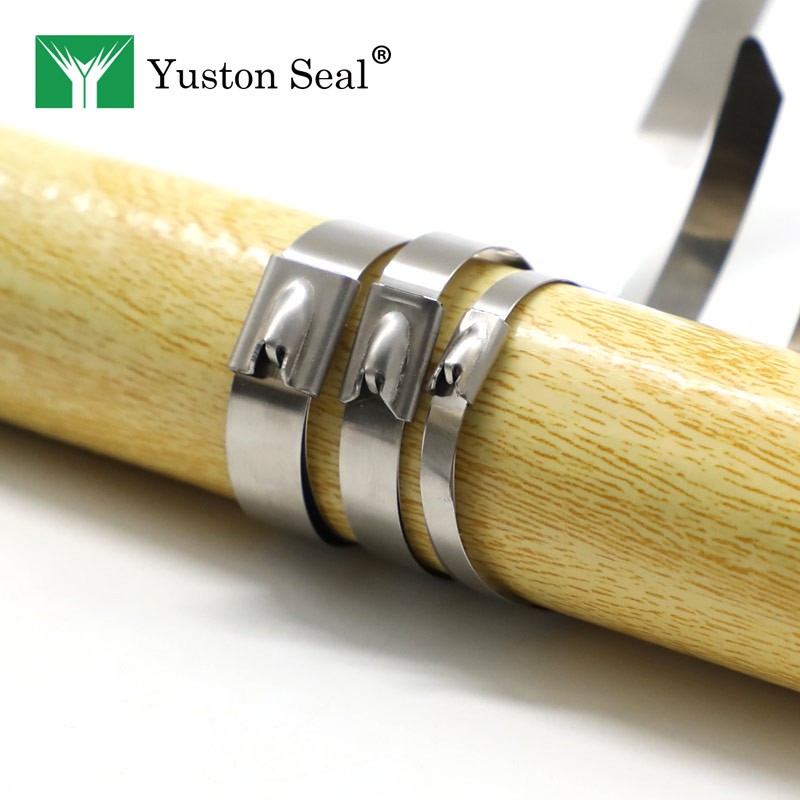
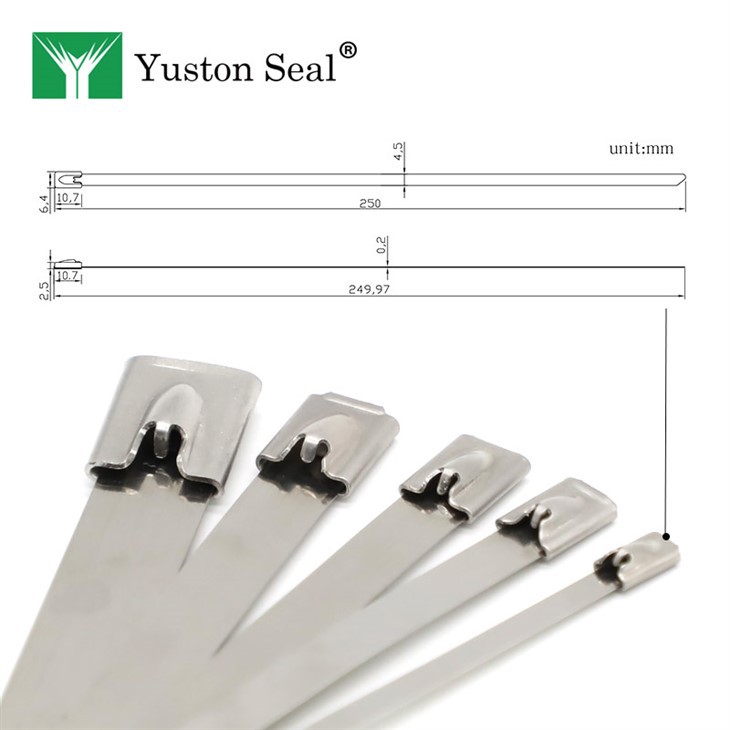
Stainless steel ties are a type of fastening solution known for their durability and strength. They come in various forms, such as Stainless Steel Locking Wire Ties, Stainless Steel Cable Wire Ties, and Metal Cable Ties. These ties are made from high - quality stainless steel, which offers excellent resistance to corrosion, rust, and extreme temperatures.
Advantages of Using Stainless Steel Ties for Hanging
1. Strength and Durability
One of the primary reasons stainless steel ties are suitable for hanging objects is their remarkable strength. Stainless steel is a robust material that can withstand significant weight and stress. Whether you're hanging light - weight decorations or heavier equipment, stainless steel ties can provide a reliable support system. For example, in industrial settings, stainless steel ties are often used to hang electrical cables, pipes, and machinery components. Their durability ensures that they can maintain their integrity over long periods, even in harsh environments.
2. Corrosion Resistance
Stainless steel has a natural resistance to corrosion, which makes it ideal for both indoor and outdoor hanging applications. In outdoor settings, where objects are exposed to moisture, rain, and other environmental elements, traditional ties made of materials like plastic or regular metal may rust or degrade over time. Stainless steel ties, on the other hand, can resist the effects of corrosion, ensuring that the hanging objects remain secure and the ties themselves last for years.
3. Versatility
Stainless steel ties come in a wide range of sizes and styles, making them suitable for various hanging tasks. You can find thin and flexible ties for delicate hanging jobs, such as hanging small plants or lightweight signage. At the same time, there are thicker and stronger ties available for heavy - duty applications, like hanging large industrial equipment. Additionally, some stainless steel ties have special features, such as locking mechanisms, which provide extra security and prevent the tie from loosening.
Limitations of Using Stainless Steel Ties for Hanging
1. Cost
Compared to some other types of ties, such as plastic cable ties, stainless steel ties can be more expensive. The higher cost is due to the quality of the stainless steel material and the manufacturing process. However, it's important to consider the long - term benefits. The durability and strength of stainless steel ties often mean that you won't have to replace them as frequently as cheaper alternatives, which can offset the initial cost in the long run.
2. Rigidity
While the strength of stainless steel is an advantage in many cases, it can also be a limitation when it comes to certain hanging applications. Stainless steel ties are relatively rigid compared to some other materials. This rigidity may make them less suitable for hanging objects that require a more flexible support system, such as objects that need to move or sway slightly.
Practical Considerations for Using Stainless Steel Ties to Hang Objects
1. Weight Capacity
Before using stainless steel ties to hang an object, it's essential to determine the weight capacity of the ties. Different sizes and types of stainless steel ties have different load - bearing capabilities. You can usually find the weight capacity information provided by the manufacturer. Make sure that the weight of the object you're hanging is within the specified capacity of the ties to ensure safety.
2. Installation
Proper installation is crucial for the effectiveness of stainless steel ties in hanging objects. When installing the ties, ensure that they are tightly secured around the object and the support structure. Use appropriate tools, such as cable tie guns, to ensure a proper and secure installation. If the ties are not installed correctly, they may loosen over time, leading to an unstable hanging situation.
3. Compatibility with the Object
Consider the compatibility of the stainless steel ties with the object you're hanging. Some objects may be sensitive to the metal of the ties, which could cause scratching or damage. In such cases, you may need to use protective sleeves or padding to prevent direct contact between the tie and the object.
Real - World Applications
1. Home Decor
In home settings, stainless steel ties can be used for various hanging purposes. For example, you can use them to hang picture frames, wall art, or even string lights. Their sleek and modern appearance can also add a decorative touch to your home decor.
2. Gardening
In gardening, stainless steel ties are useful for hanging plants, trellises, and other garden accessories. Their corrosion resistance makes them suitable for outdoor use, even in wet and humid conditions.
3. Industrial and Commercial
In industrial and commercial settings, stainless steel ties are widely used for hanging electrical systems, ventilation ducts, and mechanical components. Their strength and durability ensure the safety and reliability of these installations.
Conclusion
In conclusion, stainless steel ties can be an excellent choice for hanging objects in many situations. Their strength, durability, and corrosion resistance make them suitable for a wide range of applications, from home decor to industrial installations. However, it's important to consider their limitations, such as cost and rigidity, and take practical considerations into account, such as weight capacity and proper installation.
If you're interested in purchasing high - quality stainless steel ties for your hanging needs, I invite you to contact me for more information and to discuss your specific requirements. We offer a wide selection of Stainless Steel Locking Wire Ties, Stainless Steel Cable Wire Ties, and Metal Cable Ties to meet different customer demands.
References
- "Stainless Steel: Properties and Applications" - A technical guide on the properties and uses of stainless steel.
- "Cable Tie Installation Best Practices" - A manual on the proper installation of cable ties, including stainless steel ties.