

Hey there! As a supplier of Plastic Cable Ties, I often get asked about how to select the right ones with the appropriate tensile strength. It's a crucial aspect, and I'm here to break it down for you in a simple and easy - to - understand way.
First off, let's talk about what tensile strength actually means. Tensile strength is the maximum amount of pulling force a cable tie can withstand before it breaks. You wouldn't want your cable tie snapping in the middle of a job, right? That's why getting the right tensile strength is super important.
Understanding Your Application
The very first step in selecting a plastic cable tie with the appropriate tensile strength is to understand your application. What are you using the cable tie for? Is it for light - duty tasks around the house, like bundling up some cords? Or is it for heavy - duty industrial applications, such as securing large cables in a factory?
For light - duty tasks, you can usually get away with a cable tie that has a lower tensile strength. These ties are often used for organizing cables in your home office, or keeping your headphones from getting tangled. They're typically made of thinner plastic and are more flexible. For example, if you're just tying up a few USB cables, a cable tie with a tensile strength of around 5 - 10 pounds should be more than enough.
On the other hand, heavy - duty applications require cable ties with a much higher tensile strength. In industrial settings, cables can be large and heavy, and they need to be securely fastened. For instance, in a manufacturing plant, where power cables are being managed, you might need cable ties with a tensile strength of 50 pounds or more. These ties are usually thicker and made of stronger plastic materials to handle the increased stress.
Types of Plastic Cable Ties
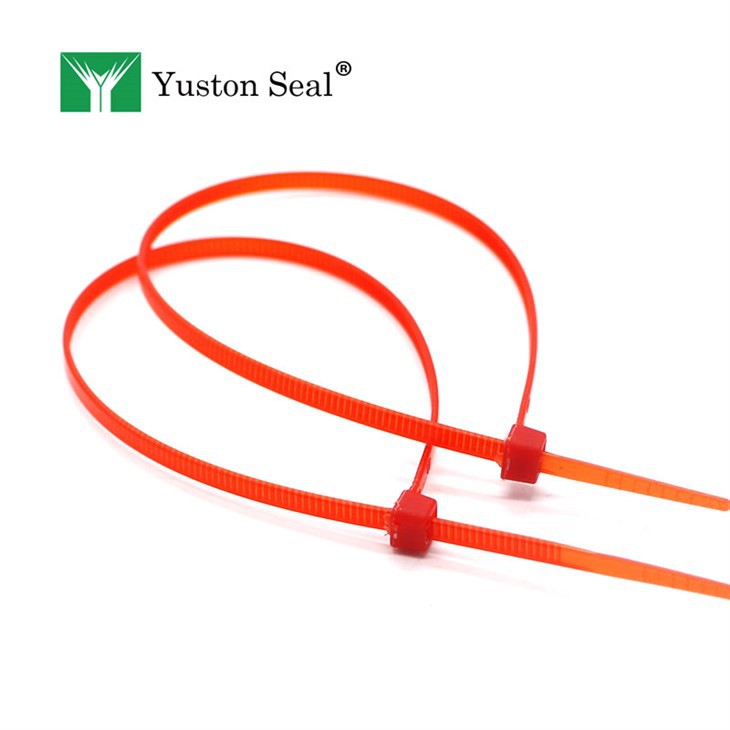
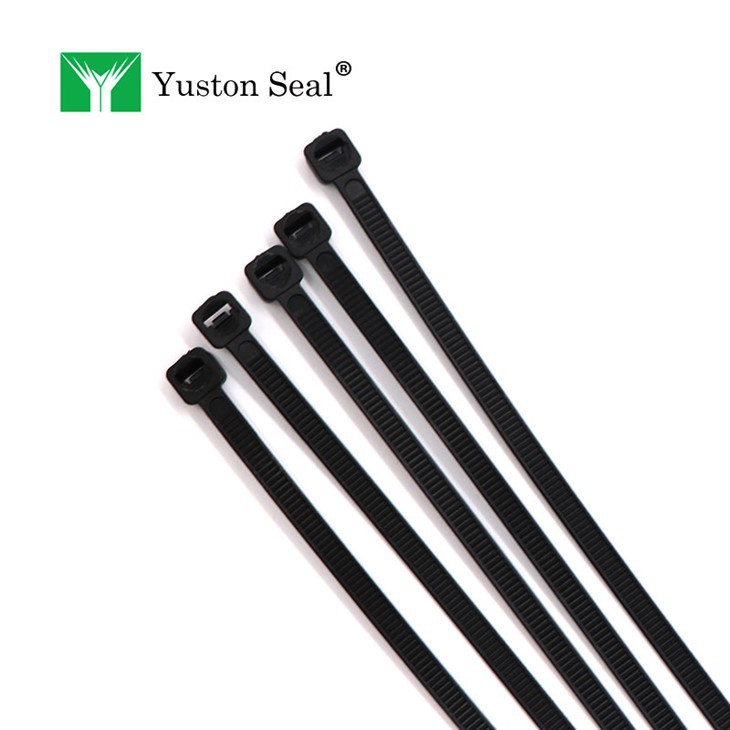
There are different types of plastic cable ties available in the market, and each type has its own range of tensile strengths. One of the most common types is the Self - locking Cable Ties. These ties are designed with a ratchet mechanism that allows them to lock in place once tightened. They come in various sizes and tensile strengths, making them suitable for a wide range of applications.
Another type is the Self Locking Plastic Ties. These are similar to self - locking cable ties but might have different features or be made from different plastic formulations. They also offer different levels of tensile strength, so you can choose the one that fits your needs.
Then, there are the general Plastic Cable Tie options. These are the basic ties that you can find in most hardware stores. They're versatile and can be used for both light and medium - duty tasks.
Factors Affecting Tensile Strength
Several factors can affect the tensile strength of a plastic cable tie. One of the main factors is the material used to make the tie. Most plastic cable ties are made from nylon, which is known for its strength and durability. However, there are different grades of nylon, and ties made from higher - grade nylon will generally have a higher tensile strength.
The thickness of the cable tie also plays a big role. Thicker ties can usually withstand more pulling force than thinner ones. The width of the tie is another important factor. Wider ties tend to have a higher tensile strength because they distribute the force over a larger area.
Environmental conditions can also impact the tensile strength of a cable tie. For example, exposure to extreme temperatures can weaken the plastic. If you're using the cable ties in a hot environment, the plastic might become softer and lose some of its strength. On the other hand, in cold temperatures, the plastic can become brittle and more prone to breaking.
Testing the Tensile Strength
As a supplier, we test the tensile strength of our cable ties to ensure they meet the specified standards. We use specialized equipment to apply a pulling force to the ties until they break. This allows us to accurately measure the maximum force the tie can withstand.
When you're purchasing cable ties, it's a good idea to ask the supplier about the testing procedures they use. A reputable supplier should be able to provide you with information about the tensile strength of their products and how they were tested.
Selecting the Right Tensile Strength
So, how do you actually select the right tensile strength for your needs? Start by estimating the amount of pulling force the cable tie will need to withstand. Consider the weight and size of the cables you're tying, as well as any external factors like vibration or movement.
If you're not sure, it's better to err on the side of caution and choose a cable tie with a higher tensile strength than you think you'll need. This way, you can be confident that the tie will hold up under the stress.
For example, if you're tying up a bundle of cables that weighs around 20 pounds, you might want to choose a cable tie with a tensile strength of at least 30 pounds. This gives you a safety margin in case there are any unexpected forces.
Cost vs. Tensile Strength
It's important to note that cable ties with higher tensile strengths usually cost more. This is because they're made from better materials and are more durable. When making your decision, you need to balance the cost with the performance.
If you're on a tight budget and the application doesn't require a high - strength tie, you can choose a lower - cost option with a lower tensile strength. But if the application is critical and failure of the cable tie could cause serious problems, it's worth investing in a higher - quality tie with a higher tensile strength.
Conclusion
Selecting a plastic cable tie with the appropriate tensile strength is all about understanding your application, considering the factors that affect tensile strength, and making a balanced decision between cost and performance. As a supplier, we're here to help you make the right choice.
If you're in the market for plastic cable ties and need more information or have specific requirements, don't hesitate to reach out. We can provide you with detailed product information, samples, and help you find the perfect cable ties for your needs. Let's start a conversation and get you the best cable ties for your application!
References
- ASTM International Standards for Plastic Cable Ties
- Industry reports on cable tie manufacturing and performance