

Hey there! As a supplier of Plastic Cable Tie, I often get asked if plastic cable ties can be used for fixing broken parts temporarily. Well, the short answer is yes! But let's dive deeper into this topic and explore the ins and outs of using plastic cable ties for quick fixes.
What Are Plastic Cable Ties?
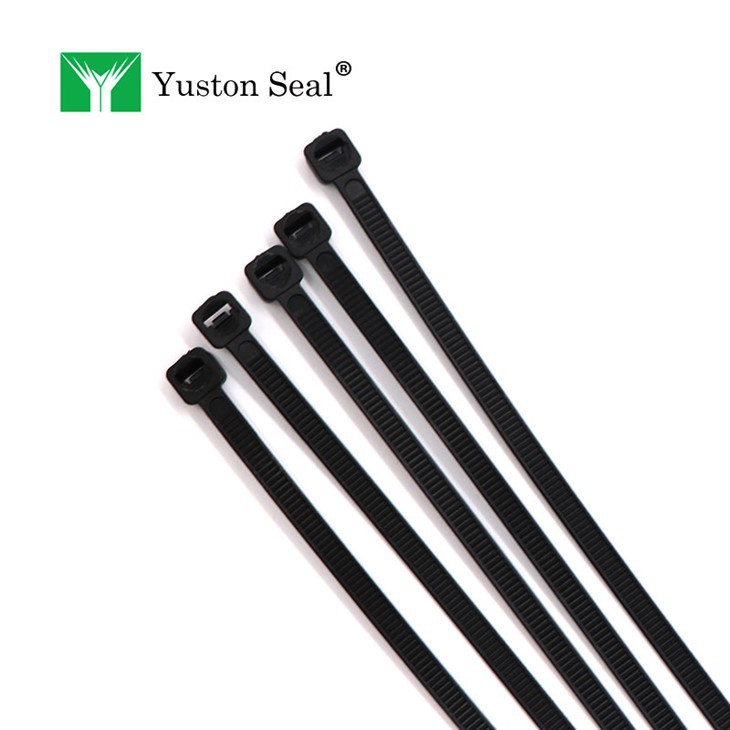
First off, let's talk about what plastic cable ties are. These handy little tools are made of durable plastic materials, usually nylon. They come in various sizes, from Small Plastic Cable Ties that are perfect for tiny projects to larger ones for heavy-duty tasks. The most common type is the Self-locking Cable Ties, which have a simple mechanism that allows you to tighten them and keep them in place.
Why Use Plastic Cable Ties for Temporary Fixes?
There are several reasons why plastic cable ties are a great option for temporary repairs.
1. Cost-Effective
One of the biggest advantages is their affordability. You can buy a pack of plastic cable ties for a very low price, making them a budget-friendly solution for quick fixes. Whether you're a DIY enthusiast or a professional, having a stash of these in your toolbox won't break the bank.
2. Easy to Use
Using plastic cable ties is a breeze. All you need to do is thread the end through the locking mechanism and pull it tight. You don't need any special tools or skills, which makes them accessible to everyone. Even if you're not very handy, you can still use cable ties to make a temporary repair.
3. Versatile
Plastic cable ties can be used in a wide range of applications. They can hold together pipes, wires, hoses, and even broken plastic or metal parts. You can use them in your home, car, or workplace. For example, if a part of your lawnmower breaks, you can use a cable tie to hold it together until you can get a proper replacement.
4. Strong and Durable
Despite their low cost, plastic cable ties are surprisingly strong. They can withstand a fair amount of tension and pressure, which makes them suitable for many temporary fixing jobs. Of course, they're not as strong as a permanent repair, but they can hold up well for a short period.
Examples of Temporary Fixes with Plastic Cable Ties
Let's take a look at some real-life examples of how plastic cable ties can be used to fix broken parts temporarily.
1. Fixing a Broken Bumper on a Car
If you've had a minor fender bender and your car bumper is hanging loose, you can use plastic cable ties to hold it in place until you can take it to a mechanic. Simply thread the cable ties through the holes in the bumper and the body of the car and tighten them. This will prevent the bumper from flapping around and causing further damage.
2. Repairing a Broken Hose
A leaking hose can be a real headache, but you can use a cable tie to stop the leak temporarily. Wrap the cable tie tightly around the damaged area of the hose to create a seal. This will prevent the fluid from leaking out until you can replace the hose.
3. Securing Loose Wires
In your home or office, you may have some loose wires that are a safety hazard. You can use plastic cable ties to bundle them together and keep them organized. This not only makes your space look neater but also reduces the risk of tripping over the wires.
Limitations of Using Plastic Cable Ties for Temporary Fixes
While plastic cable ties are great for temporary repairs, it's important to understand their limitations.
1. Not a Permanent Solution
As the name suggests, plastic cable ties are for temporary use only. They're not designed to be a long-term fix. Over time, the plastic may degrade due to exposure to sunlight, heat, or chemicals. So, it's important to replace the temporary fix with a proper repair as soon as possible.
2. Limited Strength
Although cable ties are strong, they have their limits. They may not be suitable for fixing parts that are under a lot of stress or heavy load. For example, if a structural part of a machine breaks, using a cable tie may not be enough to hold it together safely.
3. Aesthetically Unappealing
Let's face it, plastic cable ties don't look very pretty. If you're making a repair in a visible area, the cable ties may stand out and make the repair look a bit shoddy. However, this may not be a big deal if the repair is in an out-of-the-way place.
Tips for Using Plastic Cable Ties for Temporary Fixes
To get the most out of your plastic cable ties, here are some tips to keep in mind.
1. Choose the Right Size
Make sure you select the appropriate size of cable tie for your repair. If the tie is too small, it may not be strong enough to hold the parts together. If it's too large, it may be difficult to work with and may not provide a secure fit.
2. Clean the Surfaces
Before using a cable tie, clean the surfaces of the parts you're trying to fix. This will ensure a better grip and prevent the tie from slipping. You can use a damp cloth to wipe away any dirt, grease, or debris.
3. Tighten Properly
When tightening the cable tie, make sure it's tight enough to hold the parts together but not so tight that it breaks or damages the parts. You may need to adjust the tightness a few times to get it just right.
Conclusion
In conclusion, plastic cable ties are a great option for temporary fixes. They're cost-effective, easy to use, versatile, and strong enough for many applications. However, they're not a permanent solution, and you should always replace the temporary repair with a proper one as soon as possible.
If you're interested in purchasing high-quality plastic cable ties for your temporary repair needs, we're here to help. As a leading supplier of Plastic Cable Tie, we offer a wide range of products to meet your requirements. Whether you need small or large cable ties, self-locking or reusable ones, we've got you covered.
If you have any questions or would like to discuss your specific needs, feel free to reach out to us. We're always happy to help you find the right solution for your projects.
References
- "The Ultimate Guide to Cable Ties" - DIY Magazine
- "Cable Tie Applications and Best Practices" - Industrial Supply Journal