

The security of containers is of paramount importance in the global shipping and logistics industry. Container locks play a crucial role in safeguarding the contents within these large metal boxes as they traverse the world's oceans, roads, and railways. As a leading container lock supplier, I am often asked about how these seemingly simple yet highly sophisticated devices work. In this blog post, I will delve into the mechanics and functionality of container locks, exploring the different types and their unique features.
The Basics of Container Locks
At their core, container locks are designed to prevent unauthorized access to shipping containers. They serve as a physical barrier, deterring thieves and ensuring the integrity of the cargo. The most common types of container locks are padlocks, bolt seals, and locking bars. Each type has its own advantages and is suitable for different applications.
Padlocks
Padlocks are perhaps the most well-known type of container lock. They are simple to use and can be easily installed and removed. A typical padlock consists of a shackle, a body, and a locking mechanism. The shackle is the U-shaped part of the lock that passes through the hasp or staple on the container door. The body of the lock houses the locking mechanism, which can be a combination of pins, tumblers, or discs.
When the correct key or combination is inserted, the locking mechanism inside the padlock is disengaged, allowing the shackle to be opened. Padlocks come in various sizes and security levels, ranging from basic models for light-duty use to high-security padlocks with hardened steel shackles and anti-pick features. As a [Your Company] supplier, we offer a wide range of padlocks, including Heavy Duty Container Lock that are specifically designed for the harsh conditions of the shipping industry.
Bolt Seals
Bolt seals are another popular type of container lock. They are often used for one-time use and provide a high level of security. A bolt seal consists of a bolt with a locking head and a seal body. The bolt is inserted through the hasp on the container door, and the locking head is then snapped onto the bolt, creating a permanent seal.
Once a bolt seal is installed, it cannot be removed without breaking the seal. This provides clear evidence of tampering, making bolt seals an ideal choice for high-value or sensitive cargo. As a container lock supplier, we offer a variety of bolt seals, including those made from stainless steel and other durable materials, to ensure maximum security and reliability.
Locking Bars
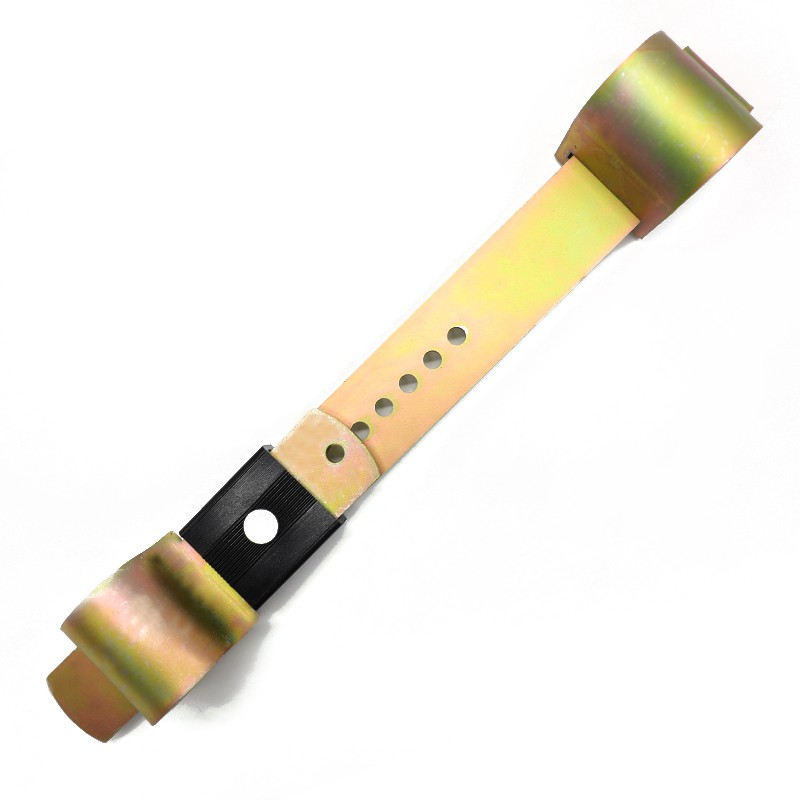
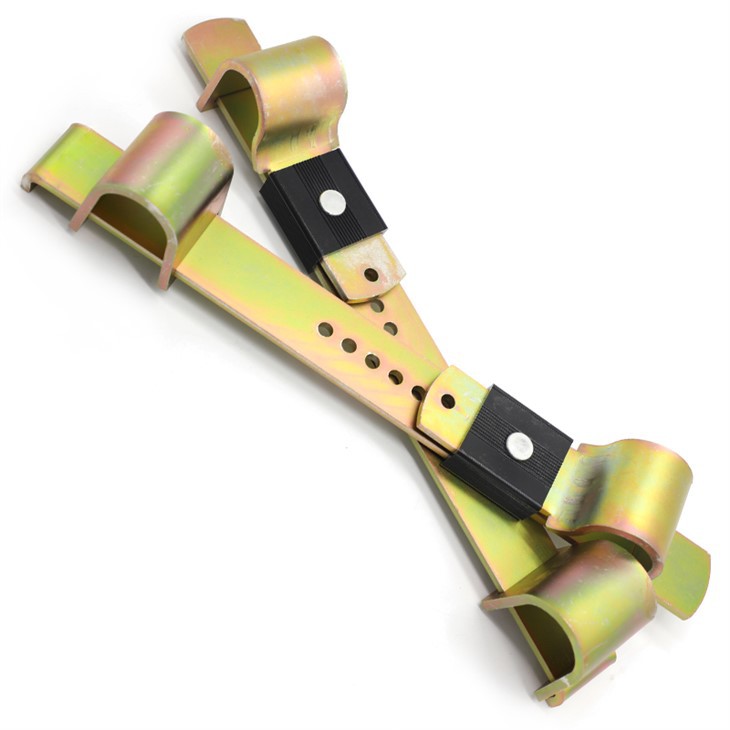
Locking bars are a more advanced type of container lock that provides additional security and convenience. They are typically used on larger containers and are designed to prevent the container doors from being forced open. A locking bar consists of a long metal bar that is inserted through the hasp on the container door and secured at both ends.
The locking bar is usually fitted with a locking mechanism, such as a tumbler lock or a combination lock, to prevent unauthorized access. Some locking bars also come with additional features, such as anti-drill plates and tamper-evident seals, to enhance security. As a supplier, we offer a range of locking bars, including Trailer Container Lock and Intermodal Container Locks, that are designed to meet the specific needs of different industries.
How Container Locks Work
The operation of container locks may seem simple, but it involves a complex interplay of mechanical and physical principles. Let's take a closer look at how each type of container lock works.
Padlocks
As mentioned earlier, padlocks work by using a locking mechanism to secure the shackle. The most common type of locking mechanism in a padlock is the pin tumbler lock. This type of lock consists of a series of pins that are spring-loaded and sit in the lock body. When the correct key is inserted into the lock, the pins are pushed up to the correct height, allowing the lock to turn and the shackle to be opened.
Another type of locking mechanism used in padlocks is the disc tumbler lock. This type of lock uses a series of rotating discs with notches cut into them. When the correct key is inserted, the discs align, allowing the lock to turn. Disc tumbler locks are often more resistant to picking and bumping than pin tumbler locks.
Bolt Seals
Bolt seals work by creating a permanent seal between the bolt and the locking head. When the bolt is inserted through the hasp on the container door and the locking head is snapped onto the bolt, the locking head deforms the bolt, creating a tight seal. Once the seal is in place, it cannot be removed without breaking the locking head or the bolt.
Bolt seals are often marked with a unique serial number or barcode, which can be used to track the seal and verify its authenticity. This makes it easy to identify if a container has been tampered with during transit.
Locking Bars
Locking bars work by providing a physical barrier between the container doors. When the locking bar is inserted through the hasp on the container door and secured at both ends, it prevents the doors from being opened. The locking mechanism on the locking bar ensures that only authorized personnel can remove the bar.
Some locking bars also come with additional features, such as anti-drill plates and tamper-evident seals, to enhance security. These features make it more difficult for thieves to break into the container and provide clear evidence of tampering.
Factors to Consider When Choosing a Container Lock
When choosing a container lock, there are several factors to consider. These include the level of security required, the type of container, the environment in which the container will be used, and the budget.
Security Level
The level of security required will depend on the value and sensitivity of the cargo. For high-value or sensitive cargo, it is recommended to use high-security locks, such as heavy-duty padlocks or bolt seals. These locks are designed to withstand tampering and provide a high level of protection.
Type of Container
The type of container will also affect the choice of lock. For example, some containers have smaller hasps or staples, which may require a smaller lock. Other containers may have larger doors or openings, which may require a longer locking bar.
Environment
The environment in which the container will be used is also an important factor to consider. If the container will be exposed to harsh weather conditions, such as saltwater or extreme temperatures, it is recommended to use a lock that is made from corrosion-resistant materials, such as stainless steel.
Budget
Finally, the budget will also play a role in the choice of lock. There are a wide range of container locks available at different price points, so it is important to choose a lock that meets your security needs without breaking the bank.
Conclusion
Container locks are an essential component of the global shipping and logistics industry. They provide a physical barrier that helps to protect the contents of shipping containers from theft and tampering. As a container lock supplier, we offer a wide range of locks, including padlocks, bolt seals, and locking bars, to meet the specific needs of different industries.
If you are in need of high-quality container locks, please do not hesitate to contact us. We have a team of experts who can help you choose the right lock for your application and provide you with the support and guidance you need. Whether you are shipping high-value cargo or looking for a reliable lock for your everyday containers, we have the solution for you.
References
- Smith, J. (2020). The Complete Guide to Container Security. Logistics Publishing.
- Jones, R. (2019). Container Lock Technology: A Review. Security Journal.
- Brown, A. (2018). Best Practices for Container Lock Selection. Shipping Today Magazine.