

Can plastic meter seals be recycled?
As a supplier of Plastic Meter Seals, I often get asked about the recyclability of our products. This is a crucial question, not only from an environmental perspective but also for the long - term sustainability of our industry. In this blog, I'll delve deep into the topic of whether plastic meter seals can be recycled.
Understanding Plastic Meter Seals
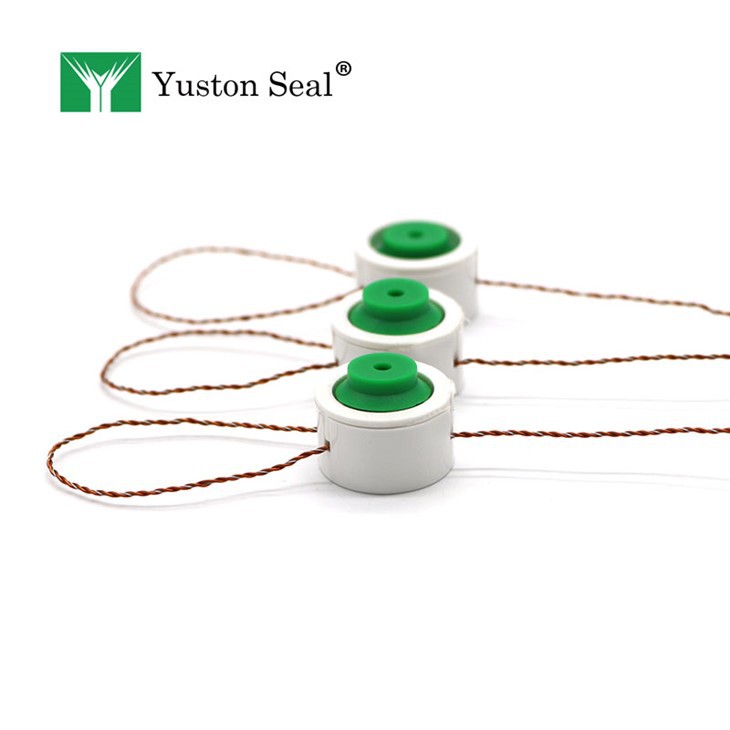
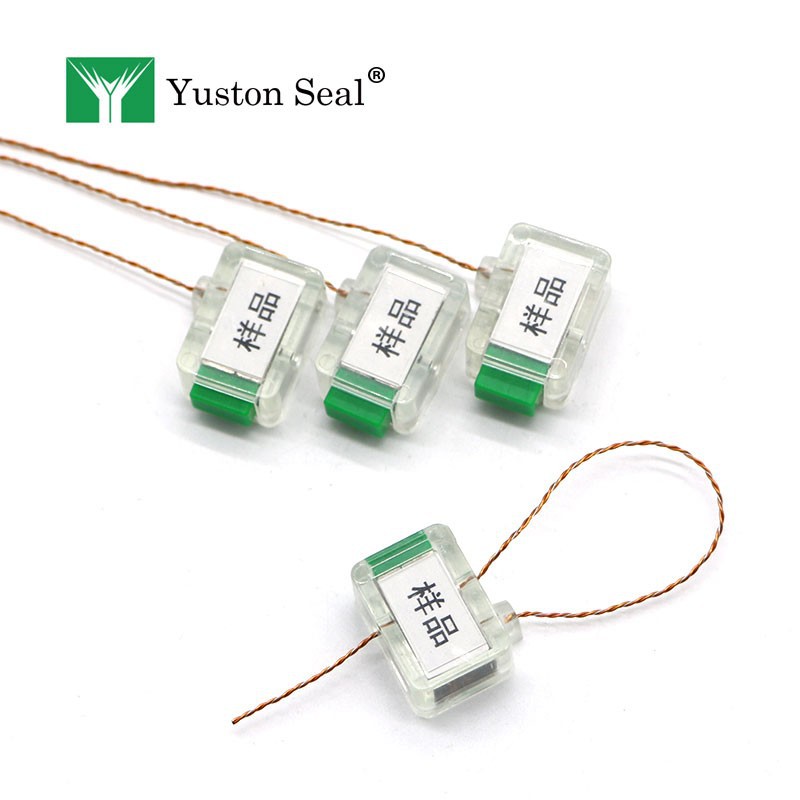
First, let's understand what plastic meter seals are. Plastic meter seals are used in a wide range of applications, primarily for securing meters in the utility sector, including electricity, water, and gas meters. They are designed to be tamper - proof, ensuring the integrity of the metering system. You can find more information about these on our Plastic Meter Seals page.
These seals come in various shapes, sizes, and colors, and are made from different types of plastics. The most common plastics used for meter seals are polypropylene (PP), polyethylene (PE), and polyvinyl chloride (PVC). Each of these plastics has its own unique properties that make them suitable for the demanding requirements of meter seal applications. For example, polypropylene is lightweight, has good chemical resistance, and can withstand a wide range of temperatures. Polyethylene is known for its toughness and flexibility, while PVC offers excellent durability and electrical insulation.
The Recycling Process of Plastics
Recycling plastics involves several steps. First, the plastic waste needs to be collected. This can be done through municipal recycling programs, industrial waste collection, or specialized recycling facilities. Once collected, the plastics are sorted based on their resin type. Different plastics have different melting points and chemical properties, so sorting is essential to ensure that the recycling process is efficient.
After sorting, the plastics are cleaned to remove any contaminants such as dirt, labels, or adhesives. Then, they are shredded into small pieces, which are melted and re - formed into new plastic products. However, not all plastics are created equal when it comes to recycling. Some plastics are more easily recyclable than others.
Recyclability of Different Plastic Types Used in Meter Seals
Let's take a closer look at the recyclability of the plastics commonly used in meter seals:
Polypropylene (PP)
Polypropylene is one of the more easily recyclable plastics. It has a relatively high melting point and good chemical stability, which allows it to be recycled multiple times without significant degradation in quality. Recycling PP involves melting the plastic and re - extruding it into new products. In many recycling facilities, PP can be recycled into items such as plastic pallets, buckets, and automotive parts. So, in theory, plastic meter seals made from polypropylene can be recycled quite efficiently.
Polyethylene (PE)
PE is also a widely recycled plastic. There are different types of polyethylene, such as high - density polyethylene (HDPE) and low - density polyethylene (LDPE). HDPE is commonly used in applications where strength and stiffness are required, while LDPE is more flexible. Both types of PE can be recycled. The recycling process for PE is similar to that of PP, involving collection, sorting, cleaning, shredding, and melting. Recycled PE can be used to make products like plastic bags, pipes, and plastic lumber. Meter seals made from polyethylene can be part of this recycling chain.
Polyvinyl Chloride (PVC)
PVC recycling is more challenging compared to PP and PE. PVC contains chlorine, which can release harmful chemicals when burned or melted. Additionally, PVC often contains additives such as plasticizers and stabilizers, which can complicate the recycling process. Specialized recycling facilities are required to handle PVC safely. However, with the right technology and processes, PVC meter seals can also be recycled. Some recycled PVC is used in products like flooring, window frames, and electrical insulation.
Challenges in Recycling Plastic Meter Seals
Despite the theoretical recyclability of the plastics used in meter seals, there are several challenges in actually recycling these seals:
Contamination
Meter seals are often exposed to various environments during their use. They can accumulate dirt, dust, and other contaminants, which can make the recycling process more difficult. Additionally, some meter seals may also have markings or labels that are not easily removable, further complicating the cleaning step in the recycling process.
Small Size
Plastic meter seals are relatively small in size. This makes them more difficult to collect and sort compared to larger plastic items. In some cases, they may even be overlooked during the waste collection process. The small size also means that they require more energy to process per unit of weight compared to larger plastic products.
Mixed Materials
Some meter seals may be made from a combination of different plastics or may have non - plastic components such as metal fasteners or rubber gaskets. These mixed materials can make it challenging to recycle the seals as a whole. Separating the different materials requires additional processing steps, which can increase the cost and complexity of the recycling process.
The Role of the Industry in Promoting Recycling
As a supplier of plastic meter seals, we have a responsibility to promote the recycling of our products. We can take several steps to address the challenges mentioned above:
Design for Recycling
We can design our meter seals with recyclability in mind. This could involve using single - type plastics whenever possible, avoiding the use of non - recyclable components, and making it easier to remove any markings or labels. For example, we could use water - soluble inks for markings, which would be easier to clean off during the recycling process.
Collection Programs
We can work with our customers and recycling facilities to establish collection programs specifically for plastic meter seals. This could involve providing collection bins at customer sites or partnering with waste management companies to ensure that used meter seals are properly collected and sent to recycling facilities.
Education and Awareness
We can educate our customers about the importance of recycling plastic meter seals. By raising awareness about the environmental benefits of recycling, we can encourage more customers to participate in recycling programs. We can also provide information on how to properly dispose of used meter seals to ensure that they end up in the recycling stream.
Conclusion
In conclusion, plastic meter seals can be recycled, but it is not without its challenges. The plastics used in these seals, such as polypropylene, polyethylene, and polyvinyl chloride, are theoretically recyclable. However, issues such as contamination, small size, and mixed materials need to be addressed to make the recycling process more efficient.
As a supplier, we are committed to promoting the recycling of our plastic meter seals. We believe that by working together with our customers, recycling facilities, and the broader industry, we can make a positive impact on the environment. If you are interested in our Plastic Meter Seals or Tamper Proof Meter Seals and want to know more about our recycling initiatives, or if you have any questions regarding the security of your meters, please feel free to contact us for procurement and further discussions. You can also check out our Meter Seal Security Electric page for more information on the security aspects of our products.
References
- American Chemistry Council. "Plastic Recycling Basics."
- European Plastics Converters. "Recycling of Plastics in Europe."
- Institute of Scrap Recycling Industries. "Plastic Recycling Standards and Best Practices."