

Hey there! As a supplier of Metal Trailer Seals, I've seen firsthand how these little guys play a huge role in regulatory compliance. In this blog, I'm gonna break down exactly how metal trailer seals contribute to keeping things on the up - and - up when it comes to regulations.
1. Security and Tamper Evidence
One of the most important aspects of regulatory compliance is ensuring the security of the goods being transported. Metal trailer seals are like the guardians of your cargo. They provide a visible sign of tampering. Once a metal seal is applied to a trailer, any attempt to open it without proper authorization will leave obvious marks.
For example, if a shipment is supposed to be under strict customs regulations, customs officials need to know that the goods have remained intact from the point of origin to the destination. A Container Metal Strap Seal can be used to seal a container. If the seal is broken or shows signs of tampering, it immediately raises a red flag. This helps authorities enforce regulations regarding the movement of goods, such as preventing the smuggling of illegal items or ensuring that the quantity and quality of the goods match the declared values.
2. Chain of Custody Documentation
Regulatory bodies often require a clear chain of custody for goods in transit. Metal trailer seals come in very handy here. Each seal has a unique identification number. When a seal is applied to a trailer, the details of the seal, including the number, the date of application, and the person applying it, can be recorded.
This information becomes part of the chain of custody documentation. For instance, in the food industry, strict regulations govern the transportation of perishable goods. A Truck Metal Seal can be used to seal a refrigerated truck carrying food products. The seal number is noted down along with the temperature readings and other relevant data at different points during the journey. This documentation helps prove that the goods were transported under the required conditions, which is crucial for regulatory compliance.
3. Meeting Industry - Specific Regulations
Different industries have their own sets of regulations, and metal trailer seals can be tailored to meet these requirements. In the pharmaceutical industry, for example, drugs need to be transported in a secure and controlled environment. Metal seals can be designed to be highly resistant to tampering and to withstand specific environmental conditions.
Metal Container Seals can be used to seal containers of pharmaceutical products. These seals are made from high - quality metals that are durable and can be easily inspected. The pharmaceutical industry has strict regulations regarding the integrity of the product during transportation, and metal seals help ensure that these regulations are met.
4. International Trade Compliance
In the world of international trade, there are a ton of regulations to follow. Metal trailer seals are essential for ensuring compliance with international shipping and customs regulations. When goods are shipped across borders, customs authorities need to be able to verify the integrity of the shipment.
A metal seal on a trailer provides a reliable way to do this. It helps prevent unauthorized access to the goods during transit, which is important for protecting against theft and ensuring that the goods are not subject to any illegal activities. For example, if a shipment is subject to anti - dumping regulations, the seal can help prove that the goods have not been tampered with or misrepresented during the journey.
5. Audit and Inspection Readiness
Regulatory audits and inspections are a fact of life for businesses involved in transportation and logistics. Having proper metal trailer seals in place makes it easier to pass these audits. When auditors come in, they can quickly check the seals on the trailers. If the seals are intact and the documentation related to them is in order, it shows that the company is taking regulatory compliance seriously.
For example, a company that transports hazardous materials is subject to regular inspections by environmental and safety regulatory bodies. Metal seals on the trailers carrying these materials can be easily inspected to ensure that the containers have not been opened or tampered with. This not only helps the company avoid penalties but also demonstrates its commitment to following the rules.
6. Cost - Effective Compliance
Believe it or not, using metal trailer seals can be a cost - effective way to achieve regulatory compliance. Compared to more complex security systems, metal seals are relatively inexpensive. They are also easy to install and replace.

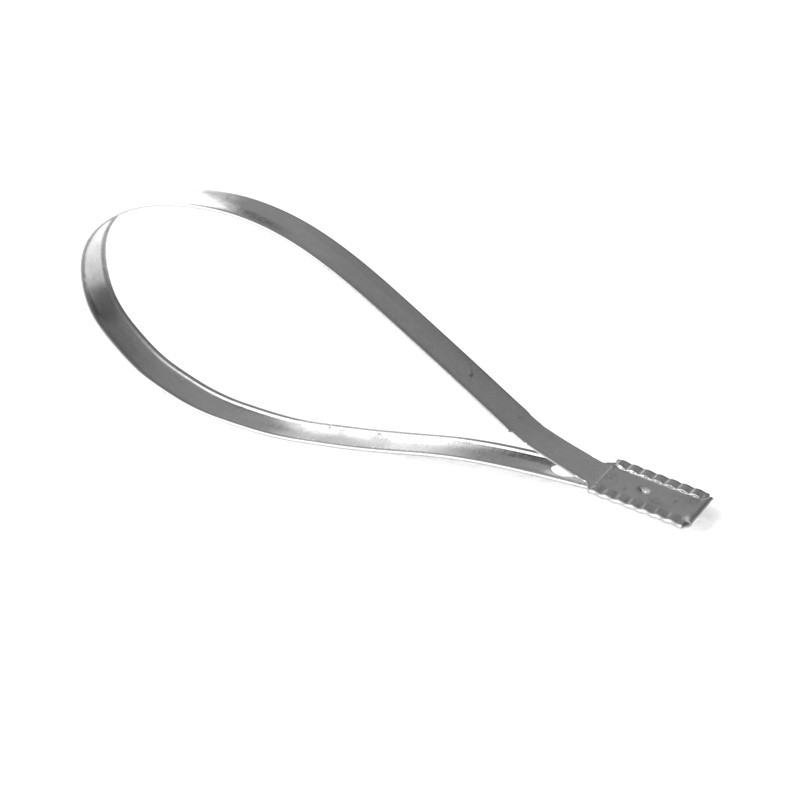
For small and medium - sized businesses that are operating on a tight budget, metal seals offer a practical solution for meeting regulatory requirements. Instead of investing in expensive high - tech security measures, a simple metal seal can provide the necessary security and tamper evidence to satisfy regulatory bodies.
7. Building Trust with Partners and Customers
Regulatory compliance is not just about following the rules; it's also about building trust. When your business uses metal trailer seals to ensure the security of your shipments, it shows your partners and customers that you are a reliable and responsible player in the industry.
For example, if you are a supplier of high - value electronics, your customers will be more confident in doing business with you if they know that your shipments are sealed with metal trailer seals. This trust can lead to long - term partnerships and repeat business, which is essential for the success of any company.
Let's Talk!
If you're in the market for high - quality metal trailer seals to help your business achieve regulatory compliance, I'd love to chat. Whether you need Container Metal Strap Seals, Truck Metal Seals, or Metal Container Seals, we've got you covered. Reach out to me, and we can discuss your specific needs and how our seals can fit into your compliance strategy.
References
- "Transportation Security Regulations Handbook"
- "International Trade Compliance Best Practices"
- "Industry - Specific Regulatory Guidelines for Logistics"