

As a dedicated supplier of stainless steel ties, I've often encountered inquiries regarding the suitability of our products for communication tower installations. This blog post aims to explore whether stainless steel ties can indeed be used in such critical applications, delving into their properties, advantages, and potential limitations.
Properties of Stainless Steel Ties
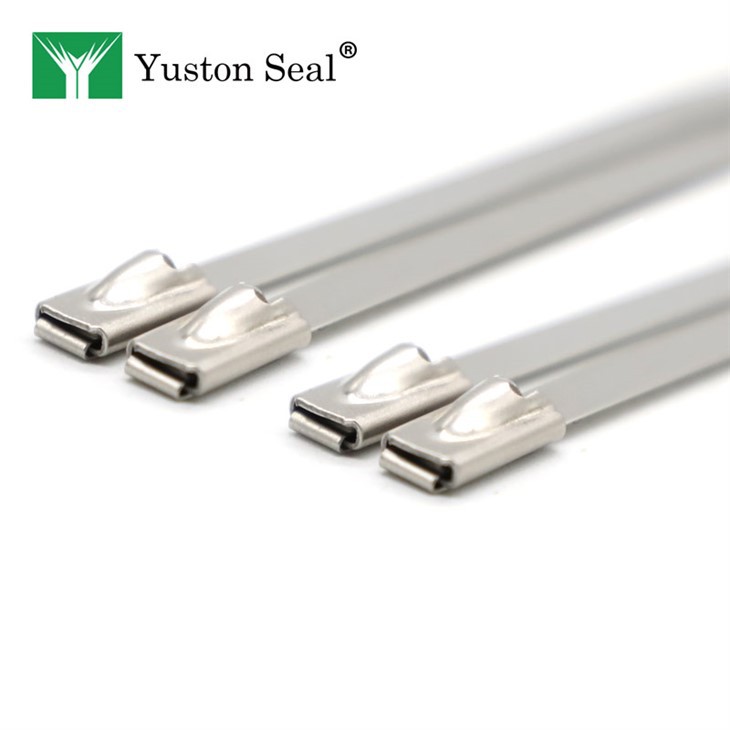
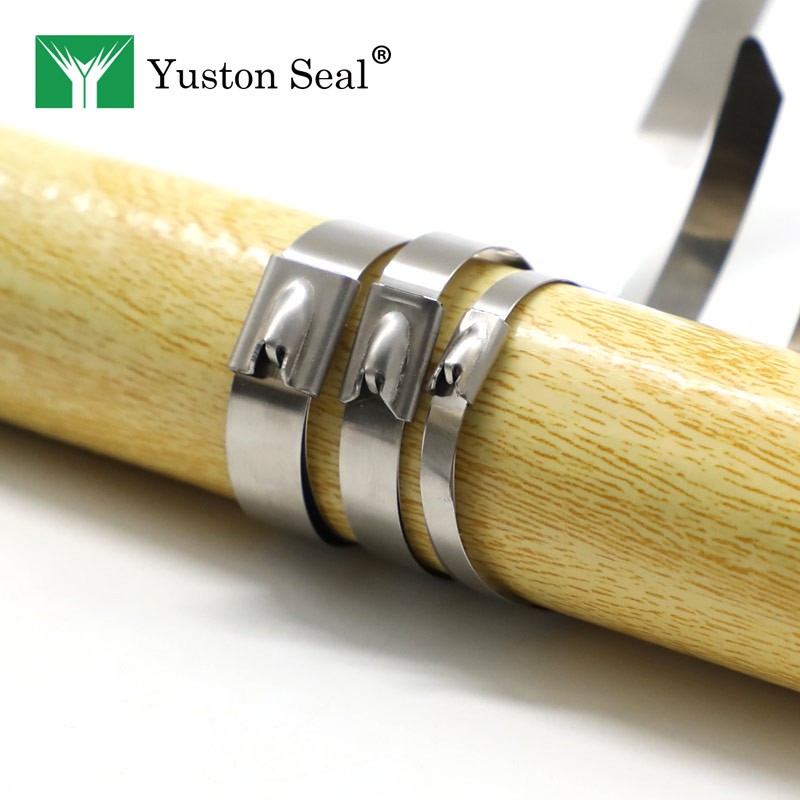
Stainless steel ties are renowned for their exceptional durability and resistance to corrosion. These ties are typically made from high - grade stainless steel alloys, such as 304 or 316 stainless steel. The 304 stainless steel offers good general corrosion resistance, while the 316 grade, which contains molybdenum, provides enhanced resistance to pitting and crevice corrosion, making it ideal for harsh environments.
In terms of strength, stainless steel ties can withstand significant amounts of tension. Their high tensile strength allows them to securely hold components in place, even under extreme conditions. This strength is crucial in communication tower installations, where cables and equipment need to be firmly secured to prevent any movement that could disrupt the tower's functionality.
Advantages of Using Stainless Steel Ties in Communication Tower Installations
Corrosion Resistance
Communication towers are often exposed to various environmental elements, including rain, humidity, salt spray (in coastal areas), and industrial pollutants. Stainless steel ties' corrosion - resistant properties ensure that they can withstand these harsh conditions without rusting or deteriorating over time. Unlike traditional plastic ties, which may degrade under UV exposure or in chemically - polluted environments, stainless steel ties maintain their integrity, providing long - term reliability.
High Temperature Resistance
Communication towers may experience high temperatures due to direct sunlight, heat generated by electrical equipment, or even wildfires in some regions. Stainless steel ties can tolerate a wide range of temperatures without losing their strength or shape. They can function effectively in both extremely hot and cold climates, making them a suitable choice for communication tower installations in diverse geographical locations.
Security and Stability
The high tensile strength of stainless steel ties ensures that cables, antennas, and other components are securely fastened to the tower structure. This security is essential for maintaining the proper alignment and functionality of communication equipment. A loose cable or component can lead to signal interference, equipment damage, and even safety hazards. Stainless steel ties provide a reliable solution to keep everything in place.
Long - Term Cost - Effectiveness
Although the initial cost of stainless steel ties may be higher than that of plastic ties, their long lifespan and low maintenance requirements make them a cost - effective choice in the long run. With plastic ties, frequent replacements may be necessary due to wear and tear, especially in harsh environments. Stainless steel ties, on the other hand, can last for decades, reducing the need for regular replacements and associated labor costs.
Applications of Stainless Steel Ties in Communication Tower Installations
Cable Management
One of the primary uses of stainless steel ties in communication towers is cable management. Communication towers are filled with a complex network of cables, including power cables, coaxial cables, and fiber - optic cables. Stainless steel ties can be used to bundle these cables together, preventing them from tangling and ensuring proper organization. This not only makes the installation and maintenance process more efficient but also reduces the risk of signal interference caused by cable movement.
Antenna Installation
Antennas are critical components of communication towers, and their proper installation is essential for optimal signal transmission. Stainless steel ties can be used to secure antennas to the tower structure, ensuring that they remain stable and properly aligned. This stability is crucial for maintaining a strong and consistent signal.
Equipment Mounting
Various types of communication equipment, such as routers, amplifiers, and transceivers, are installed on communication towers. Stainless steel ties can be used to mount this equipment securely to the tower's framework, protecting it from vibrations and movement that could potentially damage the equipment.
Types of Stainless Steel Ties Suitable for Communication Tower Installations
Stainless Steel Cable Ties
These ties are flexible and can be easily wrapped around cables and other components. They come in different lengths and widths to accommodate various installation requirements. Stainless steel cable ties are commonly used for cable bundling and securing smaller equipment on communication towers.
Black Stainless Steel Zip Ties
The black finish of these ties not only provides a sleek and professional appearance but also offers additional UV protection. Black stainless steel zip ties are ideal for outdoor applications where aesthetics and UV resistance are important considerations. They can be used for both cable management and equipment mounting on communication towers.
Stainless Steel Locking Wire Ties
These ties are designed with a locking mechanism that provides extra security. They are often used in applications where a high level of tamper - resistance is required. In communication tower installations, stainless steel locking wire ties can be used to secure critical components, such as antennas and sensitive equipment.
Potential Limitations of Stainless Steel Ties
While stainless steel ties offer many advantages, they also have some potential limitations. One of the main drawbacks is their relatively high cost compared to plastic ties. However, as mentioned earlier, their long - term cost - effectiveness often outweighs the initial investment.
Another limitation is that stainless steel ties are more rigid than plastic ties, which may make them slightly more difficult to install in some tight or complex spaces. However, with the right tools and proper training, this issue can be easily overcome.
Conclusion
In conclusion, stainless steel ties are a highly suitable option for communication tower installations. Their corrosion resistance, high temperature tolerance, strength, and long - term reliability make them an ideal choice for securing cables, antennas, and equipment in harsh and demanding environments. As a supplier of stainless steel ties, I am confident that our products can meet the stringent requirements of communication tower installations.
If you are involved in communication tower projects and are looking for high - quality stainless steel ties, we invite you to contact us for a detailed discussion about your specific needs. Our team of experts is ready to assist you in selecting the most appropriate stainless steel ties for your installation, ensuring the success and longevity of your communication tower.
References
- ASTM International. "Standard Specification for Stainless Steel Bars and Shapes." ASTM A276.
- ASCE (American Society of Civil Engineers). "Structural Design of Communication Towers." ASCE 22 - 16.
- IEEE (Institute of Electrical and Electronics Engineers). "IEEE Standards for Communication Tower Installation and Maintenance."