

Hey there! I'm a supplier of lead seals, and while lead seals have been around for ages and are widely used, they aren't without their downsides. In this blog, I'll break down some of the disadvantages of lead seals that you might not have thought about.
Environmental Concerns
One of the biggest issues with lead seals is the environmental impact. Lead is a heavy metal, and it's toxic to both humans and the environment. When lead seals are discarded or damaged, there's a risk of lead leaching into the soil and water. This can contaminate local ecosystems, harming plants, animals, and even people who rely on the affected water sources.
Lead pollution can have long - term effects on wildlife. For example, it can cause reproductive problems in birds and fish, and it can also affect the nervous systems of animals. In humans, lead exposure can lead to a range of health issues, including cognitive impairment, especially in children. As a supplier, I'm well aware that these environmental concerns are becoming a major point of contention in the industry. More and more customers are looking for eco - friendly alternatives to lead seals. If you're interested in more secure and sustainable options, you can check out Security Meter Seals.
Health Risks for Workers
Working with lead seals also poses health risks to the people involved in their production, installation, and removal. When lead is handled, there's a chance of inhaling lead dust or fumes, especially during the manufacturing process where lead might be melted or cut. Prolonged exposure to lead can cause lead poisoning, which can result in symptoms like fatigue, abdominal pain, and memory loss.
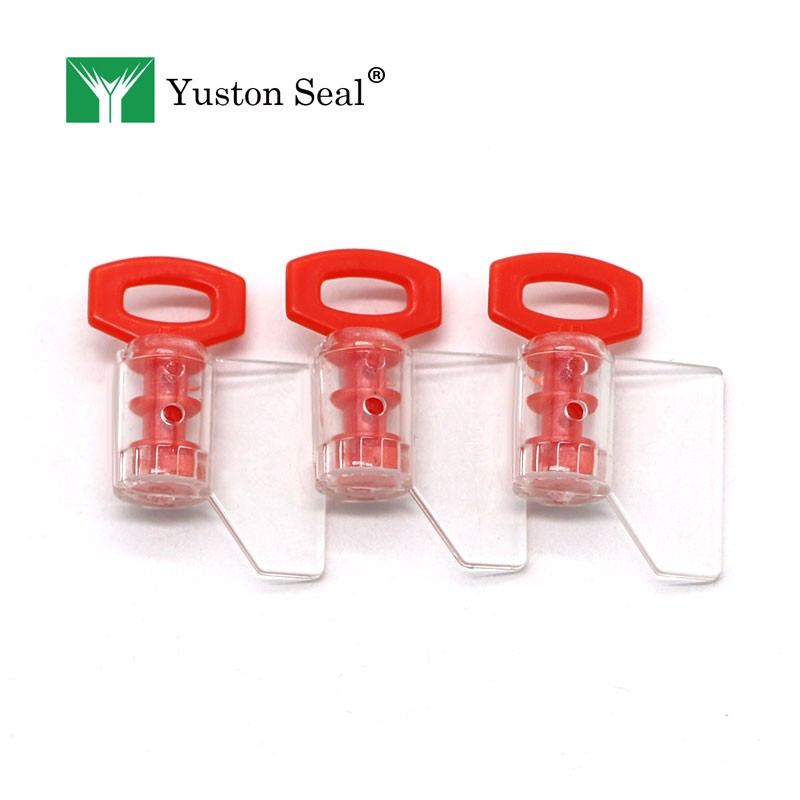
Even during the installation and removal of lead seals, workers need to take extra precautions. If they don't wear proper protective equipment, they could be at risk of lead absorption through their skin or by accidentally ingesting lead particles. This is a serious concern for companies that use lead seals in large quantities. As a supplier, I often have to remind my clients about the importance of providing proper safety training and equipment for their workers. If you're looking for a seal that's safer for your employees to handle, you might want to consider Electric Twist Meter Seal.
Durability and Tamper - Resistance
While lead seals are known for their traditional use, they may not be as durable or tamper - resistant as some modern alternatives. Lead is a relatively soft metal, which means it can be easily bent or deformed. A determined individual with the right tools could potentially break or remove a lead seal without leaving obvious signs of tampering.
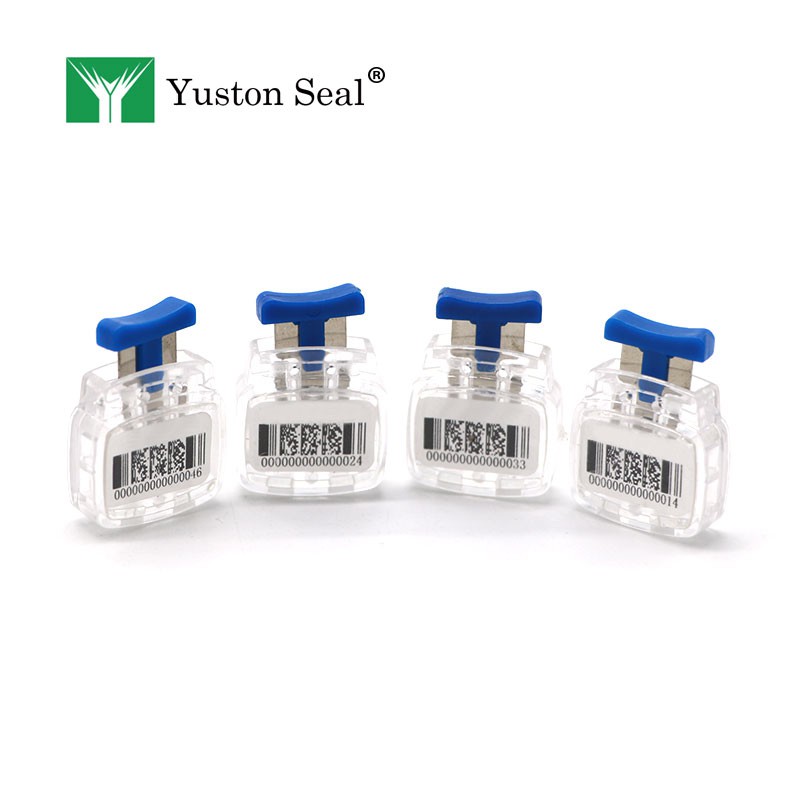
In industries where security is of the utmost importance, such as the energy and transportation sectors, this lack of tamper - resistance can be a major drawback. For example, in the case of utility meters, a compromised lead seal could allow unauthorized access to the meter, leading to energy theft or inaccurate readings. Modern plastic or composite seals, like Plastic Meter Security Seal, are often designed with advanced locking mechanisms and materials that make them much more difficult to tamper with.
Cost Considerations
Believe it or not, lead seals can sometimes be more expensive than you'd think. The cost of lead itself has been fluctuating in the market, and the additional costs associated with handling and disposing of lead safely can add up. There are also regulatory requirements for dealing with lead waste, which can increase the overall cost of using lead seals.
In addition, because of their lower tamper - resistance, companies may need to replace lead seals more frequently to ensure security. This means more money spent on purchasing new seals and the labor costs associated with their installation. When you factor in all these costs, it might make more sense to invest in more durable and cost - effective alternatives.
Regulatory Compliance
As environmental and health concerns become more prominent, there are stricter regulations regarding the use of lead in many countries. These regulations can make it challenging for companies to use lead seals legally. For example, some regions have limits on the amount of lead that can be released into the environment, and companies need to ensure that their lead seal usage complies with these standards.
Failure to comply with these regulations can result in hefty fines and legal issues. As a supplier, I have to keep up with all the latest regulatory changes and make sure my clients are aware of them. This can be a hassle for both me and my customers, and it's another reason why many are looking for lead - free alternatives.
Aesthetics and Branding
In some industries, the appearance of the seal can be important for branding purposes. Lead seals have a rather old - fashioned look, which may not align with the modern and sleek image that some companies want to project. For example, in the high - tech or luxury goods sectors, a more modern - looking seal can enhance the overall brand image.
Modern seals come in a variety of colors, shapes, and designs, allowing companies to choose a seal that not only provides security but also complements their brand. This is something that lead seals simply can't offer.
Conclusion
So, as you can see, there are several disadvantages to using lead seals. From environmental and health concerns to issues with durability, tamper - resistance, cost, regulatory compliance, and aesthetics, there are plenty of reasons to consider alternative options.
If you're in the market for seals and are looking for a more sustainable, secure, and cost - effective solution, I'd love to have a chat with you. We can discuss the different types of seals available and find the best fit for your specific needs. Whether it's for utility meters, shipping containers, or any other application, I'm here to help you make the right choice. Don't hesitate to reach out and start a conversation about your seal requirements.
References
- Environmental Protection Agency. (2023). Lead Pollution and Its Effects on the Environment.
- Occupational Safety and Health Administration. (2023). Lead Exposure in the Workplace.