

Can stainless steel ties be used in food - processing areas?
As a supplier of stainless steel ties, I often get asked whether our products can be used in food - processing areas. This is a crucial question, as the safety and compliance of materials used in food processing are of utmost importance. In this blog, I'll explore the suitability of stainless steel ties for such environments from multiple aspects.
1. Material Properties of Stainless Steel Ties
Stainless steel is a well - known material with excellent corrosion resistance. This property is due to the presence of chromium in the steel, which forms a passive oxide layer on the surface. When exposed to oxygen, this layer prevents further oxidation and corrosion of the underlying metal. In a food - processing area, where there may be exposure to moisture, acids from food products, and cleaning agents, corrosion resistance is essential.
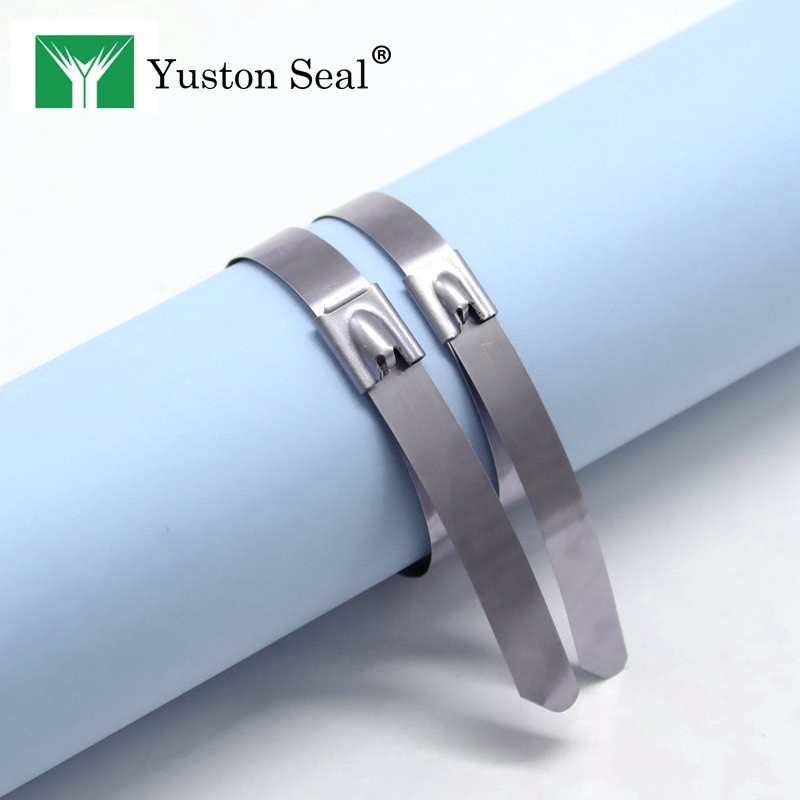
For example, in meat - processing plants, the environment can be quite humid, and there are often traces of acidic substances from the meat. Regular metal ties would quickly rust in such conditions, which could contaminate the food. However, stainless steel ties can withstand these conditions without significant degradation. Our Metal Cable Ties are made from high - quality stainless steel, ensuring long - term durability in these challenging environments.
Another important property of stainless steel is its strength. Stainless steel ties can hold heavy loads and maintain their shape under stress. In food - processing facilities, there are various applications where strong ties are needed. For instance, when securing large equipment or bundling pipes, a tie that can withstand tension is required. Our stainless steel ties have high tensile strength, which makes them suitable for these demanding tasks.
2. Hygiene Considerations
Hygiene is a top priority in food - processing areas. Stainless steel is a non - porous material, which means that it does not absorb liquids or harbor bacteria. This makes it easy to clean and sanitize. In a food - processing environment, regular cleaning is necessary to prevent the growth of harmful microorganisms.
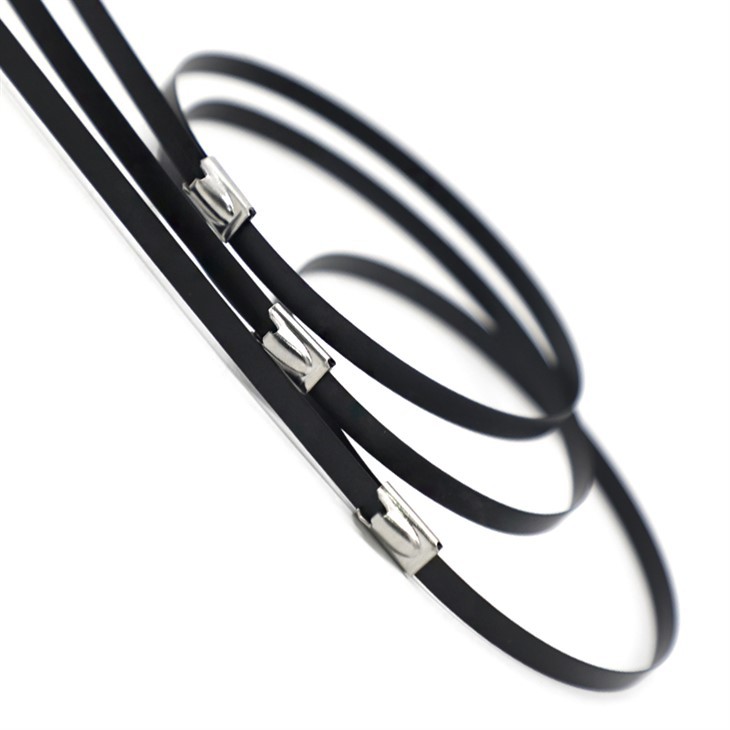
Stainless steel ties can be easily wiped down with common cleaning agents. They can also withstand high - pressure washing and steam cleaning, which are common cleaning methods in food - processing plants. Our Black Stainless Steel Zip Ties are designed with a smooth surface that allows for easy cleaning, ensuring that they meet the strict hygiene standards of the food - processing industry.
Moreover, stainless steel is inert and does not react with food products. This means that there is no risk of chemical contamination of the food. Unlike some plastics or other materials, stainless steel will not leach any harmful substances into the food, making it a safe choice for use in food - processing areas.
3. Regulatory Compliance
The food - processing industry is highly regulated, and materials used in these areas must comply with relevant standards. Stainless steel ties are often compliant with food - safety regulations. For example, in the United States, the Food and Drug Administration (FDA) has set standards for materials that come into contact with food. Stainless steel is generally recognized as safe (GRAS) for food - contact applications.
In the European Union, the European Food Safety Authority (EFSA) also has strict regulations regarding food - contact materials. Our stainless steel ties are manufactured to meet these international standards, ensuring that they can be safely used in food - processing areas around the world. Our Stainless Steel Cable Wire Ties are tested and certified to meet these regulatory requirements, giving our customers peace of mind.
4. Applications in Food - Processing Areas
There are numerous applications for stainless steel ties in food - processing areas. One common use is in equipment installation and maintenance. Food - processing equipment often needs to be securely fastened to prevent movement during operation. Stainless steel ties can be used to secure pipes, cables, and other components of the equipment.
In storage areas, stainless steel ties can be used to organize and bundle food - storage containers. They can also be used to secure shelving units, ensuring that they are stable and safe. In addition, in conveyor systems, stainless steel ties can be used to fasten belts and other moving parts, ensuring smooth operation.
5. Comparison with Other Materials
When considering materials for use in food - processing areas, it's important to compare stainless steel ties with other options. Plastic ties, for example, may be cheaper, but they have some limitations. Plastic ties can break down over time, especially when exposed to high temperatures or certain chemicals. They are also more likely to absorb moisture and harbor bacteria, which can be a hygiene risk.
On the other hand, stainless steel ties offer superior durability, strength, and hygiene. While they may have a higher upfront cost, their long - term performance and safety make them a more cost - effective choice in the food - processing industry.
6. Maintenance and Longevity
Stainless steel ties require minimal maintenance. As mentioned earlier, they can be easily cleaned, and their corrosion - resistant properties mean that they do not need to be replaced frequently. With proper use and regular cleaning, our stainless steel ties can last for many years in a food - processing environment.
This longevity is beneficial for food - processing companies as it reduces the need for frequent replacement, saving both time and money. It also ensures that the equipment and facilities remain in good working condition, minimizing the risk of production disruptions.
Conclusion
In conclusion, stainless steel ties are an excellent choice for use in food - processing areas. Their corrosion resistance, strength, hygiene properties, and regulatory compliance make them suitable for a wide range of applications in these environments. Whether it's for equipment installation, storage organization, or conveyor system maintenance, our stainless steel ties can meet the needs of the food - processing industry.
If you're in the food - processing business and are looking for high - quality stainless steel ties, we'd love to hear from you. Contact us to discuss your specific requirements and start a procurement conversation. We're confident that our products will meet your expectations and help you maintain a safe and efficient food - processing operation.
References
- Food and Drug Administration (FDA). Regulations on food - contact materials.
- European Food Safety Authority (EFSA). Guidelines for food - contact materials.
- Industry reports on materials used in food - processing areas.