

Installing a container lock is a crucial step in securing your valuable cargo and ensuring the safety of your shipping containers. As a leading container lock supplier, we understand the importance of providing high-quality locks and clear installation guidance. In this blog post, we'll walk you through the process of installing a container lock, covering different types of locks and offering practical tips to make the installation as smooth as possible.
Types of Container Locks
Before we dive into the installation process, let's briefly discuss the different types of container locks available. Each type has its own features and benefits, and choosing the right one depends on your specific needs and requirements.
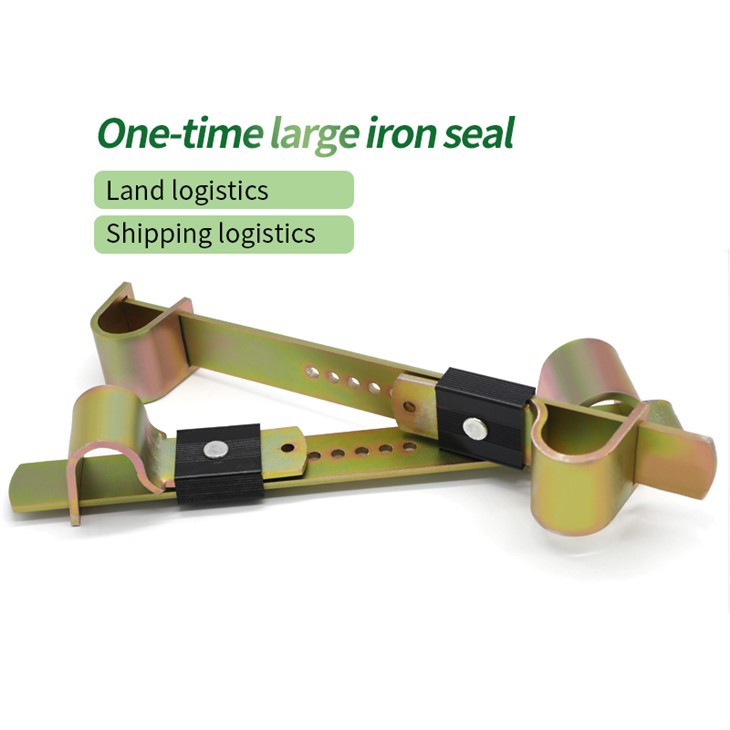
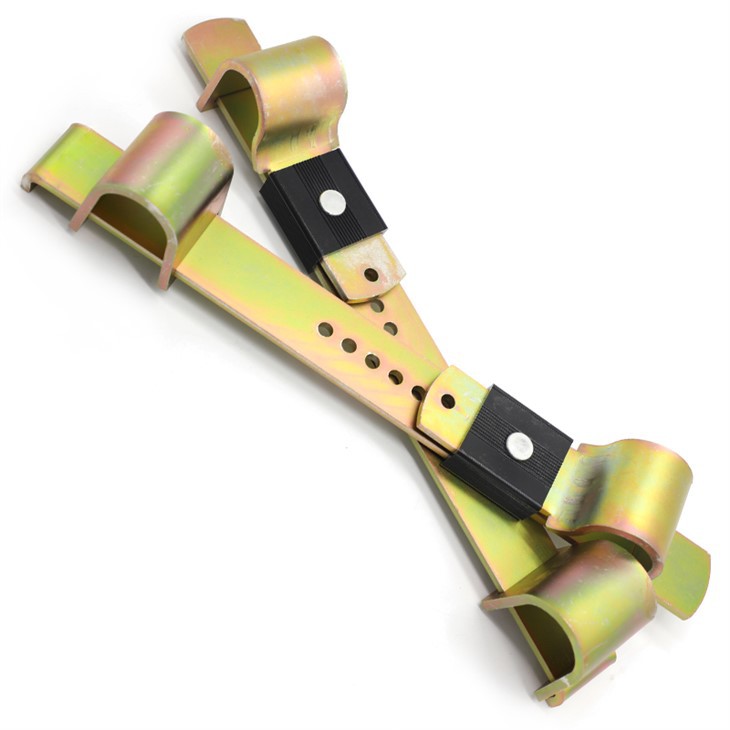
- Intermodal Container Locks: These locks are designed for use on intermodal containers, which are used in multiple modes of transportation, such as shipping by sea, rail, and road. Intermodal container locks are typically heavy-duty and provide a high level of security. You can find more information about Intermodal Container Locks on our website.
- Heavy Duty Container Lock: As the name suggests, heavy-duty container locks are built to withstand harsh conditions and provide maximum security. They are often used in high-risk environments or for securing valuable cargo. Check out our Heavy Duty Container Lock options for more details.
- Trailer Container Lock: Trailer container locks are specifically designed for use on trailers and are often used to secure the doors of trailer containers. They are easy to install and provide a reliable way to prevent unauthorized access. Learn more about Trailer Container Lock on our website.
Tools and Materials Needed
Before you start installing a container lock, you'll need to gather the necessary tools and materials. Here's a list of what you'll typically need:
- Container lock (choose the appropriate type for your container)
- Screwdriver or drill (depending on the type of lock)
- Measuring tape
- Pencil or marker
- Safety glasses
- Gloves
Step-by-Step Installation Guide
Step 1: Prepare the Container
- Clean the Locking Area: Use a clean cloth to remove any dirt, debris, or rust from the area where the lock will be installed. This will ensure a secure and proper fit.
- Measure and Mark: Use a measuring tape to determine the correct placement for the lock. Mark the holes or mounting points on the container using a pencil or marker. Make sure the marks are accurate and aligned with the lock's installation instructions.
Step 2: Install the Lock
- Screw-In Locks: If you're using a screw-in lock, insert the screws through the holes in the lock and into the marked holes on the container. Use a screwdriver or drill to tighten the screws securely. Make sure the lock is firmly attached and does not wobble.
- Welded Locks: For welded locks, you'll need to use a welding machine to attach the lock to the container. This should be done by a professional welder to ensure a strong and secure bond. Follow all safety precautions when using a welding machine.
Step 3: Test the Lock
- Check the Operation: Once the lock is installed, test it to make sure it operates smoothly. Insert the key or combination and lock and unlock the container several times to ensure proper functionality.
- Verify the Security: Check that the lock provides a tight and secure fit. The container doors should not be able to be opened without the key or combination.
Tips for a Successful Installation
- Follow the Manufacturer's Instructions: Always refer to the manufacturer's installation instructions for your specific lock. These instructions will provide detailed guidance on how to install the lock correctly and safely.
- Use the Right Tools: Using the correct tools for the job will make the installation process easier and more efficient. Make sure you have the appropriate screwdriver, drill, or welding equipment.
- Take Your Time: Installing a container lock requires precision and attention to detail. Take your time to measure, mark, and install the lock correctly to ensure a secure and reliable installation.
- Seek Professional Help if Needed: If you're unsure about any aspect of the installation process or if you're using a complex lock, it's best to seek professional help. A locksmith or container installation expert can ensure that the lock is installed correctly and provide additional advice and guidance.
Conclusion
Installing a container lock is an important step in protecting your cargo and ensuring the security of your shipping containers. By following the steps outlined in this blog post and using the right tools and materials, you can install a container lock quickly and easily. As a container lock supplier, we're committed to providing high-quality locks and excellent customer service. If you have any questions or need further assistance with container lock installation or selection, please don't hesitate to contact us. We're here to help you find the right lock for your needs and ensure a successful installation.
References
- Container Lock Manufacturer's Installation Manuals
- Industry Best Practices for Container Security