

Animal ear tags are essential tools in modern livestock management, serving multiple purposes such as identification, tracking health records, and ensuring traceability. As a supplier of high - quality animal ear tags, I often encounter the question: Do animal ear tags need to be replaced regularly? In this blog, I will explore this topic in detail, considering various factors related to ear tag functionality, durability, and industry best practices.
The Function of Animal Ear Tags
Animal ear tags are used for a wide range of functions. First and foremost, they provide a simple and effective way to identify individual animals. This is crucial for farmers and ranchers to keep track of their livestock, especially in large herds. For example, if an animal shows signs of illness, the ear tag allows the farmer to quickly access its health history, including vaccination records and previous treatments.
Ear tags also play a vital role in traceability. In the event of a disease outbreak or a food safety issue, ear tags enable authorities to trace the movement of animals from the farm to the market. This helps in containing the spread of diseases and ensuring the safety of the food supply chain.
Factors Affecting the Need for Replacement
Durability of the Ear Tags
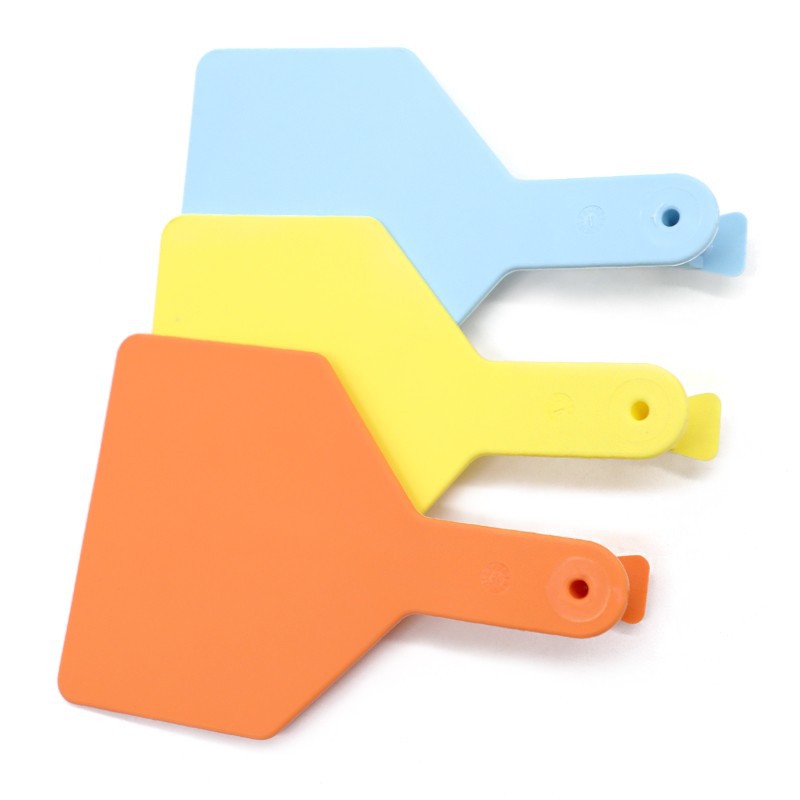
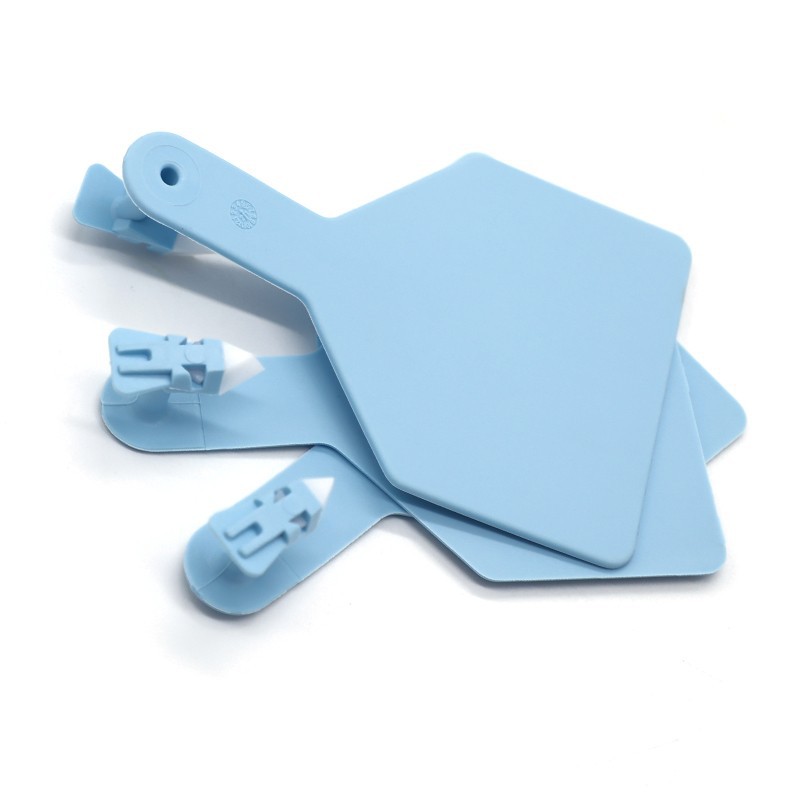
The durability of ear tags is a significant factor in determining whether they need to be replaced regularly. High - quality ear tags, such as those available at Ear Tag High Quality, are made from robust materials that can withstand harsh environmental conditions and the natural behavior of animals. These tags are designed to resist fading, cracking, and tearing.
However, even the most durable ear tags can experience wear and tear over time. Exposure to sunlight, moisture, and rough handling by the animals can cause the tags to deteriorate. For instance, in a wet and muddy environment, the plastic of the ear tag may become brittle, and the printing on the tag may fade, making it difficult to read.
Growth of the Animal
As animals grow, the size of their ears changes. A tag that fits perfectly on a young animal may become too tight or may start to cause discomfort as the animal matures. This is particularly true for sheep and other small ruminants. Sheep Ear Tags need to be carefully selected to ensure that they can accommodate the growth of the animal. In some cases, it may be necessary to replace the ear tag with a larger one to prevent injury to the animal.
Regulatory Requirements
Regulatory bodies often have specific requirements regarding the use and replacement of animal ear tags. These requirements are in place to ensure the accuracy of animal identification and traceability. For example, in some regions, ear tags must be replaced at certain intervals to ensure that the information on the tag remains up - to - date. Failure to comply with these regulations can result in fines or other penalties for farmers and ranchers.
Benefits of Regular Replacement
Accurate Identification
Regularly replacing ear tags ensures that the information on the tag remains legible and accurate. This is essential for effective livestock management. If the tag is faded or damaged, it may be difficult to read the identification number, which can lead to confusion and errors in record - keeping.
Animal Welfare
Replacing ear tags that are causing discomfort or injury to the animal is an important aspect of animal welfare. A tight or damaged ear tag can cause pain, inflammation, and even infection in the animal's ear. By replacing the tag in a timely manner, farmers can prevent these issues and ensure the well - being of their livestock.
Compliance with Regulations
As mentioned earlier, regular replacement of ear tags helps farmers and ranchers comply with regulatory requirements. This is not only important for avoiding penalties but also for maintaining the integrity of the food supply chain.
Situations Where Replacement May Not Be Necessary
In some cases, ear tags may not need to be replaced regularly. If the tags are made from extremely durable materials and are not subject to excessive wear and tear, they may remain functional for the entire lifespan of the animal. For example, some high - end Livestock Ear Tags are designed to last for many years without significant deterioration.
Additionally, if the animal is kept in a controlled environment where it is not exposed to harsh conditions, the ear tag may not require frequent replacement. However, it is still important to regularly inspect the tags to ensure that they are in good condition.
Best Practices for Ear Tag Management
To determine whether ear tags need to be replaced, farmers and ranchers should follow a few best practices. First, they should conduct regular inspections of the ear tags. This can be done during routine animal handling, such as when animals are being vaccinated or weighed. Inspections should include checking for signs of damage, fading, and proper fit.
Second, farmers should keep detailed records of the ear tags used on each animal, including the date of tagging and any replacement dates. This helps in ensuring compliance with regulatory requirements and in maintaining accurate animal health records.
Finally, it is important to choose high - quality ear tags from a reputable supplier. As an animal ear tag supplier, I recommend investing in tags that are made from durable materials and are designed to meet the specific needs of your livestock.
Conclusion
In conclusion, whether animal ear tags need to be replaced regularly depends on several factors, including the durability of the tags, the growth of the animal, and regulatory requirements. While there are situations where replacement may not be necessary, in most cases, regular replacement is beneficial for accurate identification, animal welfare, and compliance with regulations.
If you are a farmer or rancher looking for high - quality animal ear tags, I encourage you to explore our range of products at Ear Tag High Quality, Sheep Ear Tags, and Livestock Ear Tags. We are committed to providing you with the best ear tags that meet your needs. If you have any questions or would like to discuss your specific requirements, please feel free to reach out to us for a procurement discussion.
References
- "Livestock Identification and Traceability: Best Practices." Agricultural Extension Service, [Year of Publication].
- "The Impact of Ear Tag Quality on Livestock Management." Journal of Animal Science, Vol. [Volume Number], [Year of Publication].
- "Regulatory Requirements for Animal Ear Tags in [Region Name]." [Regulatory Body Name], [Year of Publication].