

In the realm of security and asset protection, cable seals play a pivotal role. They are widely used in various industries, from transportation and logistics to energy and manufacturing, to secure containers, equipment, and other valuable assets. One of the crucial questions that often arises when considering cable seals is whether they have anti - corrosion properties. As a cable seal supplier, I am well - versed in this topic and would like to delve into it in detail.
The Importance of Anti - Corrosion Properties in Cable Seals
Corrosion is a natural process that occurs when metals react with their environment, leading to the deterioration of the material. In the case of cable seals, which are often exposed to harsh outdoor conditions, corrosive substances, and varying temperatures, corrosion can significantly compromise their performance.
A corroded cable seal may lose its structural integrity. This means that it can break or become easily tampered with, rendering it ineffective in providing security. For example, in the shipping industry, where containers are transported across the globe and are exposed to saltwater, humidity, and extreme weather conditions, a cable seal without proper anti - corrosion properties can quickly degrade. This could lead to unauthorized access to the container's contents, resulting in loss, theft, or damage.
Moreover, corrosion can also affect the appearance of the cable seal. A rusty or corroded seal may give an unprofessional look, which is not desirable, especially in industries where aesthetics also matter. In some cases, it can even lead to regulatory non - compliance if the seal fails to meet the required standards due to corrosion.
Materials and Their Anti - Corrosion Capabilities
The anti - corrosion properties of cable seals largely depend on the materials used in their construction. Let's take a look at some of the common materials and their resistance to corrosion.
Stainless Steel
Stainless steel is one of the most popular materials for cable seals due to its excellent anti - corrosion properties. It contains chromium, which forms a thin, passive oxide layer on the surface of the metal. This layer acts as a barrier, preventing oxygen and moisture from reaching the underlying metal and thus inhibiting corrosion.
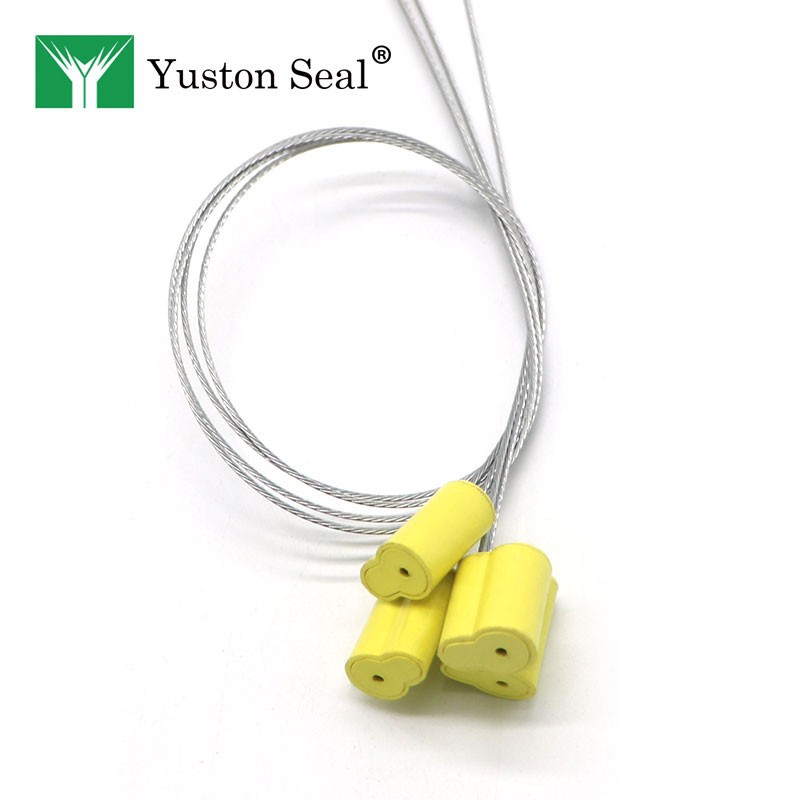
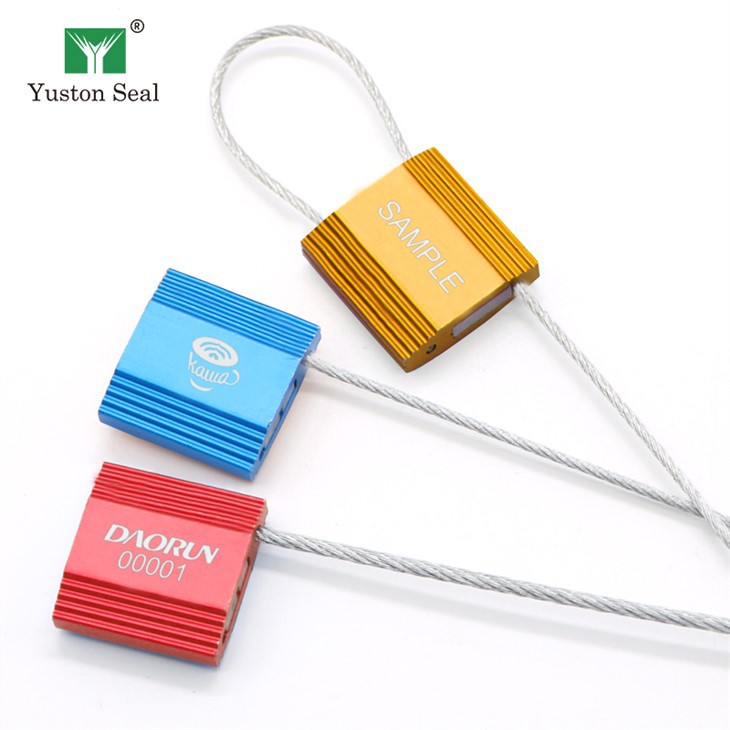
Stainless steel cable seals are highly resistant to rust, even in harsh environments such as coastal areas or industrial settings with high levels of pollution. They can withstand exposure to saltwater, acids, and alkalis to a certain extent. For example, Container Cable Seal made of stainless steel are ideal for securing shipping containers that are often exposed to the elements during transit.
Galvanized Steel
Galvanized steel is another option for cable seals. It is steel that has been coated with a layer of zinc. The zinc coating acts as a sacrificial anode, meaning that it corrodes preferentially to the steel beneath it. This provides a certain level of protection against corrosion.
Galvanized steel cable seals are more cost - effective than stainless steel ones. However, their anti - corrosion capabilities are not as long - lasting as stainless steel. Over time, the zinc coating may wear off, especially in highly corrosive environments, and the underlying steel may start to corrode.
Plastic
Plastic cable seals are also known for their anti - corrosion properties. Since plastic does not rust or corrode like metals, it is a great choice for applications where corrosion is a major concern. Plastic seals are lightweight, flexible, and can be easily customized.
There are different types of plastics used in cable seals, such as polypropylene and nylon. These plastics are resistant to moisture, chemicals, and UV radiation. For example, Adjustable Cable Seals made of plastic are often used in applications where a high degree of flexibility and corrosion resistance is required.
Testing and Certification
To ensure that cable seals have adequate anti - corrosion properties, they undergo various testing procedures. One of the common tests is the salt spray test. In this test, the cable seal is exposed to a salt - laden mist for a specified period of time. The seal is then inspected for signs of corrosion, such as rust or pitting.
Certification bodies also play an important role in verifying the anti - corrosion capabilities of cable seals. For example, seals that meet international standards such as ISO 9001 or ASTM standards are more likely to have reliable anti - corrosion properties. These certifications provide assurance to customers that the cable seals have been tested and meet the required quality and performance criteria.
Maintenance and Prolonging Anti - Corrosion Performance
Even though cable seals are designed to be corrosion - resistant, proper maintenance can further prolong their anti - corrosion performance. Regular cleaning of the seals can remove dirt, debris, and corrosive substances that may accumulate on the surface. For metal seals, applying a protective coating or lubricant can also help to enhance their anti - corrosion properties.
In addition, storing cable seals in a dry and clean environment when not in use can prevent premature corrosion. This is especially important for seals that are not immediately installed after purchase.
Applications and the Need for Anti - Corrosion Seals
Different applications have different requirements when it comes to the anti - corrosion properties of cable seals.
Shipping and Logistics
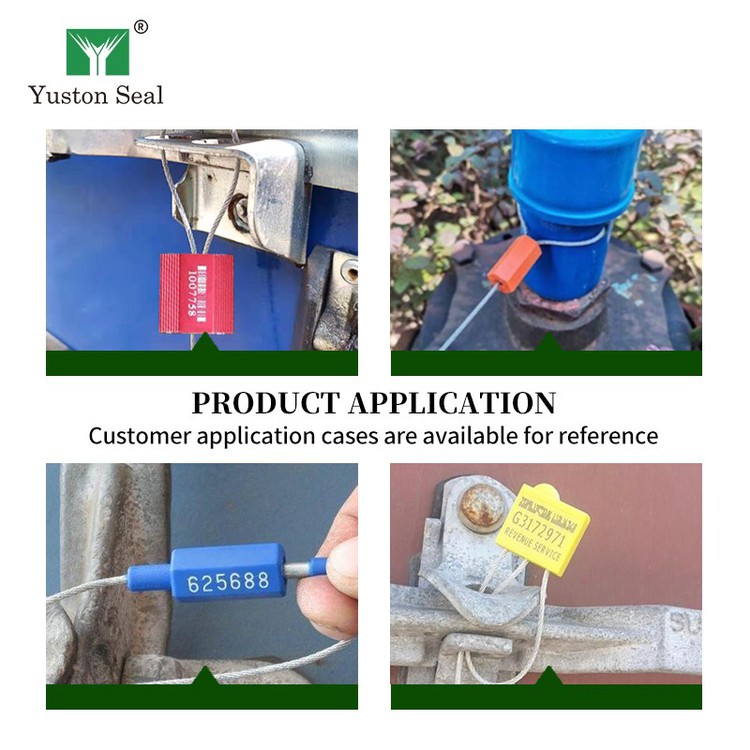
In the shipping and logistics industry, cable seals are used to secure containers during transit. Containers are exposed to a wide range of environmental conditions, including saltwater, humidity, and extreme temperatures. Therefore, cable seals with high anti - corrosion properties are essential. Cable Seals For Containers made of stainless steel or plastic are commonly used in this industry to ensure the security and integrity of the containers.
Energy Sector
In the energy sector, cable seals are used to secure electrical equipment, pipelines, and storage tanks. These facilities are often located in harsh outdoor environments, where corrosion can be a major problem. Anti - corrosion cable seals are necessary to prevent unauthorized access and ensure the safety and reliability of the energy infrastructure.
Manufacturing
In manufacturing plants, cable seals are used to secure machinery and equipment. They may be exposed to chemicals, oils, and other corrosive substances. Plastic or stainless steel cable seals are preferred in these applications to withstand the corrosive environment and maintain their performance.
Conclusion
In conclusion, cable seals can have excellent anti - corrosion properties, depending on the materials used and the manufacturing processes. Stainless steel, galvanized steel, and plastic are all materials that can provide varying degrees of corrosion resistance. Testing and certification ensure that the seals meet the required standards, and proper maintenance can further prolong their anti - corrosion performance.
If you are in need of high - quality cable seals with reliable anti - corrosion properties, look no further. As a cable seal supplier, we offer a wide range of cable seals to meet your specific needs. Whether you are in the shipping, energy, or manufacturing industry, we have the right solution for you. Contact us today to discuss your requirements and start the procurement process.
References
- ASTM International. (Year). Standard test methods for cable seal performance.
- ISO 9001:2015. Quality management systems - Requirements.
- Various industry reports on cable seal materials and their properties.