

Hey there! As a supplier of Container Plastic Seals, I often get asked a bunch of questions about our products. One question that pops up quite a bit is, "Do container plastic seals have a static - electricity - proof function?" Let's dig into this topic and find out.
First off, let's understand what static electricity is. Static electricity is the imbalance of electric charges within or on the surface of a material. It's that little shock you get when you touch a metal doorknob after walking on a carpet. In industrial settings, especially in places where there are flammable materials or sensitive electronic equipment, static electricity can be a real headache. It can cause sparks, which might lead to fires or damage to electronic components.

Now, when it comes to container plastic seals, the answer to whether they have a static - electricity - proof function isn't a straightforward yes or no. It depends on a few factors.
The Material of the Plastic Seal
Most of the plastic seals we supply are made from different types of plastics, like PVC (Polyvinyl Chloride), PP (Polypropylene), and PET (Polyethylene Terephthalate). These plastics are generally insulators, which means they don't conduct electricity well. While this might seem like they'd be great at preventing static electricity, it's a bit more complicated.
Insulating materials can actually build up static charges more easily because the charges can't move freely through them. When these plastics rub against other surfaces, like the container walls or other objects during handling, electrons can be transferred, creating a static charge. So, on their own, these common plastics used in container seals aren't inherently static - electricity - proof.
However, we can take steps to make them more resistant to static electricity. One way is to add anti - static agents to the plastic during the manufacturing process. These agents work by reducing the surface resistance of the plastic, allowing the static charges to dissipate more easily.
The Design and Manufacturing Process
The design of the plastic seal also plays a role. A well - designed seal that fits snugly on the container can reduce the amount of friction and movement between the seal and the container. Less friction means less chance of static charge build - up.
During the manufacturing process, we can also use techniques to minimize static generation. For example, using proper grounding in the production equipment can prevent static charges from building up on the seals as they're being made.
Applications and Requirements
In some industries, the need for static - electricity - proof container seals is much higher than in others. For example, in the chemical industry, where there are often flammable substances, a static spark could be disastrous. In these cases, we offer specialized seals that are designed to be highly resistant to static electricity.
On the other hand, in industries where static electricity isn't as big of a concern, like some food packaging applications, the standard plastic seals without special anti - static properties might be sufficient.
Our Product Range
We have a wide range of container plastic seals to meet different customer needs. If you're looking for something with a unique identification, our Numbered Seal Tags are a great option. These tags come with a unique number, which can be used for tracking and security purposes.
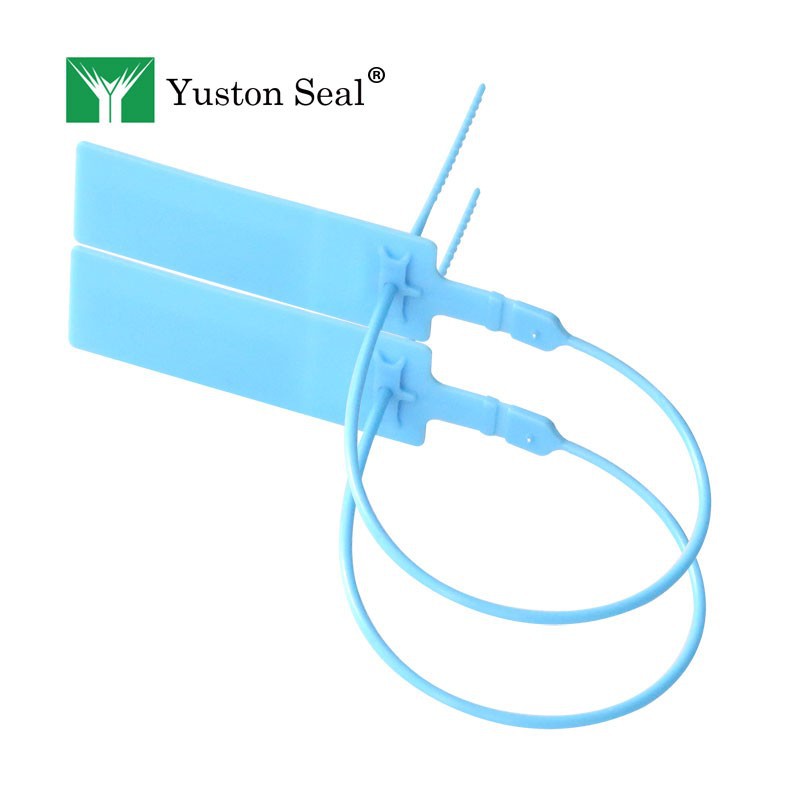
For applications like fire extinguisher sealing, we offer fire extinguisher seal tag. These seals are designed to be durable and provide a clear indication if the fire extinguisher has been tampered with.
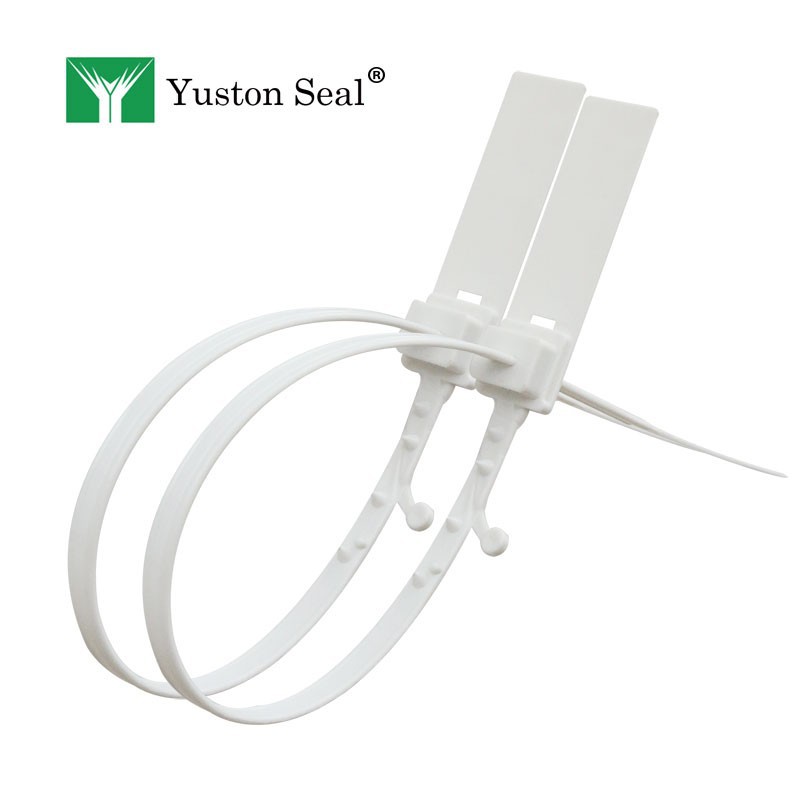
And if you have specific requirements, our Custom Plastic Seals are the way to go. We can customize the size, shape, color, and even add anti - static properties according to your needs.
Testing and Certification
We take the quality of our container plastic seals very seriously. All our seals, especially those claimed to have anti - static properties, go through rigorous testing. We test them for static charge generation, dissipation, and other relevant parameters.
We also aim to meet international standards and certifications. While I won't go into all the details here, you can rest assured that our products are of high quality and reliable.
Conclusion
So, to answer the question, container plastic seals don't automatically have a static - electricity - proof function. But with the right materials, design, and manufacturing processes, we can make them resistant to static electricity. Whether you need a standard seal or one with special anti - static properties, we've got you covered.
If you're in the market for container plastic seals and want to learn more about our products, or if you have specific requirements for your application, don't hesitate to get in touch. We're here to help you find the best solution for your needs.
References
- "Plastics and Static Electricity" - Plastics Technology Handbook
- "Industrial Safety and Static Electricity" - Occupational Safety and Health Administration (OSHA) Publications