

As a supplier of nylon cable ties, I often get asked if these little guys have a consistent locking force. It's a fair question, especially when you're relying on them to hold things together in various applications. In this blog, I'll dig into the factors that affect the locking force of nylon cable ties and whether you can count on it being consistent.
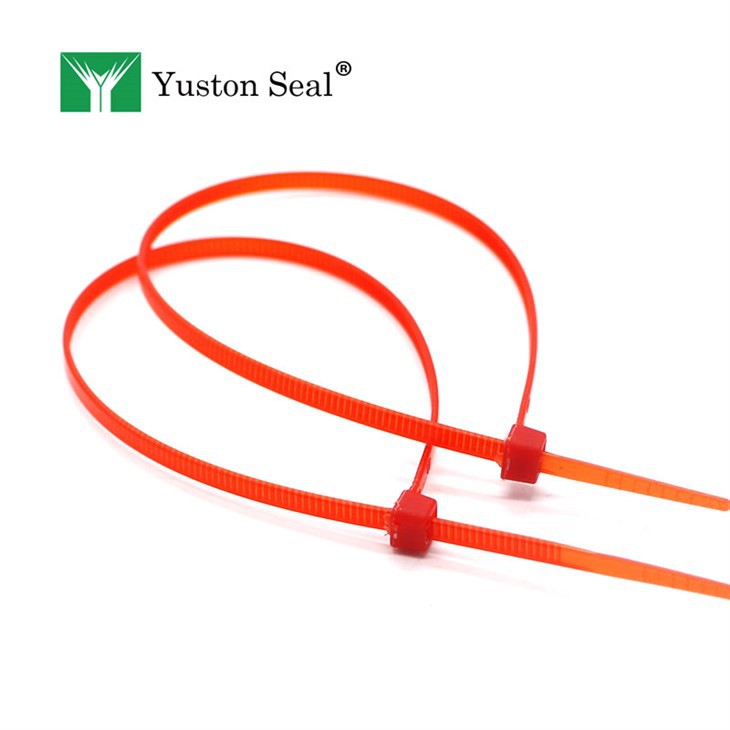
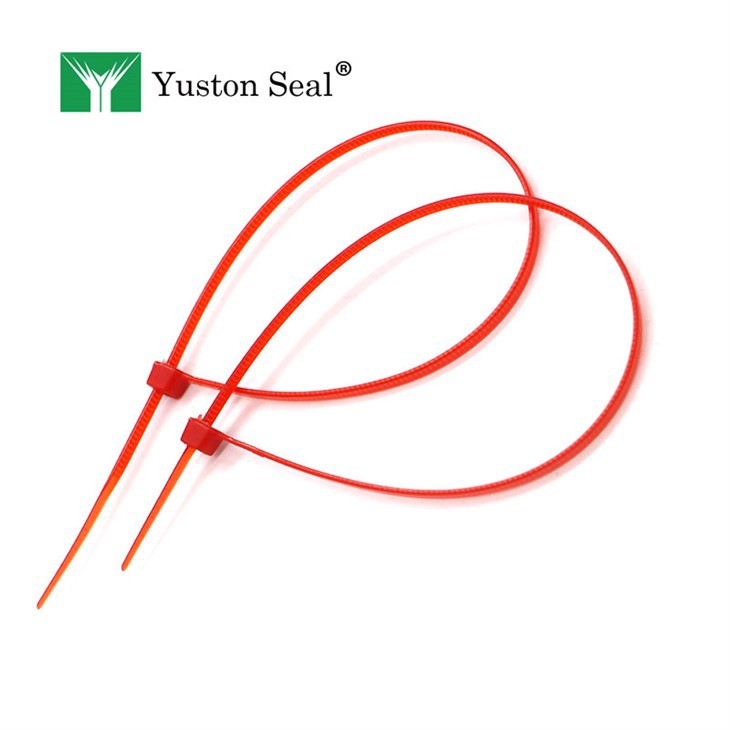
First off, let's understand what nylon cable ties are. They're those handy little straps made of nylon that can be used to bundle wires, secure items, and do all sorts of other jobs. You've probably seen them in different sizes and colors, like the Plastic Cable Tie or White Plastic Cable Ties. And they're self - locking, just like the Self Locking Plastic Ties.
Now, when it comes to the locking force, there are a few things that can mess with its consistency.
Material Quality
The quality of the nylon used in the cable ties is a huge factor. Nylon comes in different grades, and the better the grade, the more consistent the locking force is likely to be. High - quality nylon has a more uniform molecular structure. This means that the teeth on the cable tie, which are responsible for the locking action, will be more evenly formed. When the teeth are well - made, they can engage with the ratchet mechanism more predictably, resulting in a more consistent locking force.
On the other hand, if low - quality nylon is used, there could be variations in the material density. This might lead to some teeth being weaker or less well - defined than others. As a result, when you try to lock the cable tie, you might get different levels of resistance and locking strength from one tie to another.
Manufacturing Process
How the cable ties are made also plays a big role. A well - controlled manufacturing process is key to getting consistent locking forces. During the injection molding process, which is commonly used to make cable ties, factors like temperature, pressure, and cooling time need to be carefully regulated.
If the temperature is too high during molding, the nylon might become too soft, and the teeth could end up being misshapen. Conversely, if the temperature is too low, the nylon might not flow properly, and there could be voids or weak spots in the tie.
The pressure applied during molding affects the density of the nylon in the tie. If the pressure is inconsistent from one batch to another, the ties will have different physical properties, which can impact the locking force.
Cooling time is another critical factor. If the cable ties cool too quickly, they might develop internal stresses. These stresses can cause the tie to warp or the teeth to become misaligned over time, leading to inconsistent locking.
Environmental Conditions
The environment where the cable ties are used can have a significant impact on their locking force. Temperature is a major environmental factor. Nylon is a thermoplastic, which means its properties change with temperature.
In high - temperature environments, nylon becomes softer. This can cause the teeth on the cable tie to lose their grip more easily, reducing the locking force. On the other hand, in very cold temperatures, nylon becomes more brittle. The teeth might break or crack, which can also lead to a loss of locking force.
Humidity is another consideration. Nylon can absorb moisture from the air. When it does, it can swell slightly. This swelling can affect the fit between the teeth and the ratchet mechanism, potentially changing the locking force.
Usage and Installation
How the cable ties are used and installed can also lead to variations in the locking force. If you pull the cable tie too hard during installation, you might damage the teeth. This can weaken the locking mechanism and result in a lower locking force.
Conversely, if you don't pull the tie tight enough, it won't lock properly, and you won't get the full locking force that the tie is capable of. Also, if the cable tie is bent or twisted during installation, it can put uneven stress on the teeth and the ratchet, leading to inconsistent locking.
Testing and Quality Control
To ensure a more consistent locking force, proper testing and quality control measures are essential. At our company, we conduct a series of tests on our cable ties. We use specialized equipment to measure the locking force of a sample of ties from each batch. This helps us identify any variations early on.
We also perform visual inspections to check for any obvious defects in the ties, such as misshapen teeth or cracks. By doing these tests, we can ensure that the cable ties we supply meet a certain standard of locking force consistency.
Can You Count on Consistent Locking Force?
So, do nylon cable ties have a consistent locking force? The answer is that it depends. If you buy high - quality cable ties from a reputable supplier that has strict quality control measures in place, you can generally expect a relatively consistent locking force. However, you still need to take into account the environmental conditions and how you use and install the ties.
If you're in an application where a very precise and consistent locking force is required, it's a good idea to do some additional testing on the cable ties before using them on a large scale. You can simulate the actual environmental conditions and installation methods to see how the ties perform.
Conclusion
In conclusion, while achieving a perfectly consistent locking force for nylon cable ties can be challenging due to factors like material quality, manufacturing process, environmental conditions, and usage, it's definitely possible to get a high level of consistency with the right approach.
As a supplier, we're constantly working to improve the quality of our cable ties and ensure that the locking force is as consistent as possible. We use high - quality nylon, have a well - controlled manufacturing process, and strict quality control measures.
If you're in the market for nylon cable ties and are concerned about the locking force consistency, don't hesitate to reach out to us. We can provide you with detailed information about our products and how we ensure their quality. Whether you need Plastic Cable Tie, White Plastic Cable Ties, or Self Locking Plastic Ties, we've got you covered. Let's start a conversation about your specific needs and see how we can help you with your cable tie requirements.
References
- ASTM International. Standard Test Methods for Tensile Properties of Plastics.
- Plastics Industry Association. Handbook of Plastic Materials and Technology.