

Hey there! As a supplier of nylon cable ties, I often get asked if these little guys have a high degree of elasticity. Well, let's dive right into it and find out.
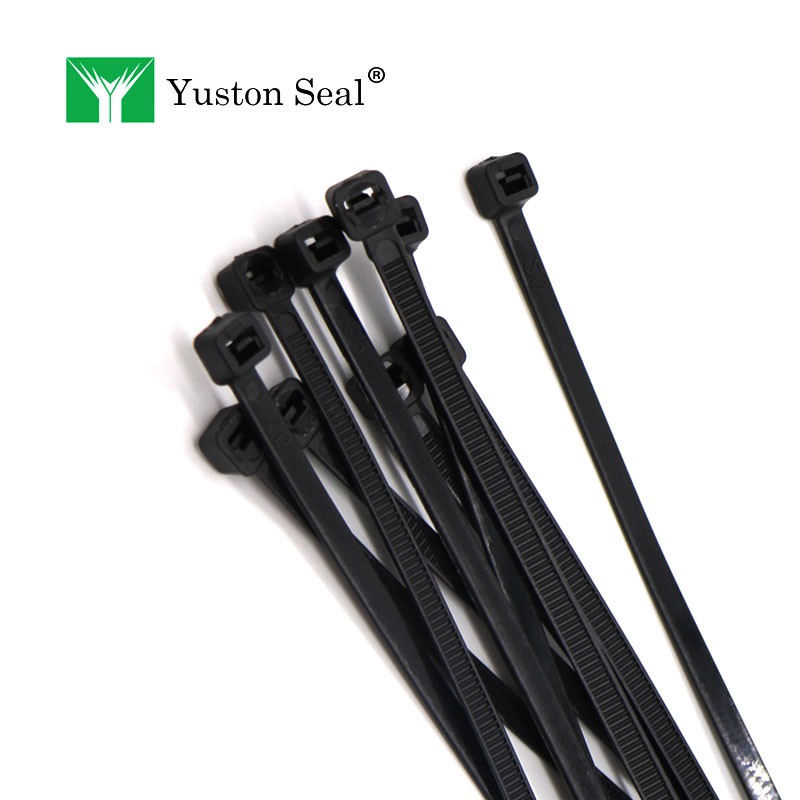
First off, what exactly are nylon cable ties? Nylon cable ties, also known as zip ties, are those handy little straps that you use to bundle things up. You've probably seen them around - they're used in all sorts of industries, from electronics to construction, and even in some DIY projects at home. You can check out our White Plastic Cable Ties, Plastic Cable Tie, and Self-locking Cable Ties on our website.
Now, back to the question: Do nylon cable ties have a high degree of elasticity? To answer that, we need to understand a bit about the material. Nylon is a synthetic polymer, and it's known for its strength and durability. But when it comes to elasticity, it's a bit of a mixed bag.
Elasticity is the ability of a material to return to its original shape after being stretched. Some materials, like rubber bands, have a high degree of elasticity. You can stretch them way out, and they'll snap right back. Nylon cable ties, on the other hand, are designed more for strength and holding power than for stretching and bouncing back.
When you first pull on a nylon cable tie, it will stretch a little bit. But this stretch is usually pretty limited. Most nylon cable ties are made to be tightened around an object and stay there. Once you've pulled the tail of the cable tie through the head and locked it in place, you're not going to be able to stretch it much more without breaking it.
The reason for this is the way nylon cable ties are constructed. They have a ratchet mechanism inside the head that allows the tie to be pulled in one direction but prevents it from slipping back out. This is great for keeping things secure, but it doesn't lend itself well to a lot of elasticity.
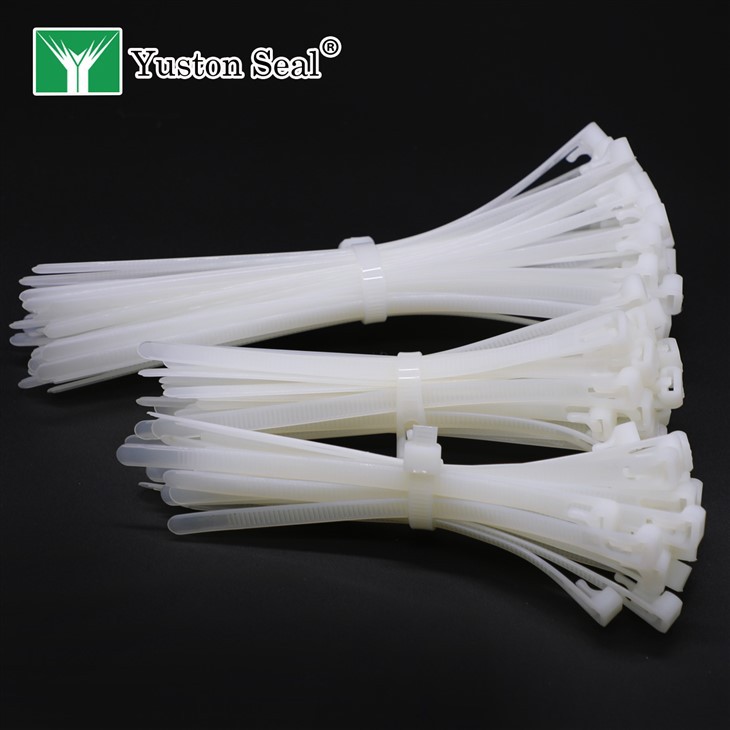
However, that doesn't mean nylon cable ties have no elasticity at all. In fact, a small amount of elasticity can be a good thing. For example, if you're using a cable tie to bundle up a bunch of cables that might expand or contract slightly due to temperature changes, a little bit of give in the tie can help prevent it from breaking or cutting into the cables.
Another factor to consider is the quality of the nylon used in the cable ties. Higher-quality nylon will generally have better properties, including a bit more elasticity. Cheaper, lower-quality nylon may be more brittle and less likely to stretch without breaking.
So, in conclusion, nylon cable ties don't have a high degree of elasticity in the same way that a rubber band does. But they do have a small amount of stretch, which can be useful in certain situations. If you need a cable tie that can stretch a lot, you might want to look into other options. But for most applications where you just need to hold things together securely, nylon cable ties are a great choice.
If you're in the market for nylon cable ties, whether it's for a small DIY project or a large industrial application, we've got you covered. Our White Plastic Cable Ties, Plastic Cable Tie, and Self-locking Cable Ties are made from high-quality nylon and are designed to provide reliable performance.
If you have any questions or want to discuss your specific needs, don't hesitate to reach out. We're here to help you find the perfect cable ties for your project. Let's talk and see how we can work together to get you the supplies you need.
References
- Engineering Materials Handbook: Composites. ASM International.
- Plastics Materials. Brydson, J. A.