

Security meter seals play a crucial role in safeguarding the integrity of various metering systems, from electricity and water meters to gas meters. These seals are designed to prevent unauthorized access and tampering, ensuring accurate measurement and billing. A common question that arises among customers is whether security meter seals require special tools for installation. As a trusted security meter seal supplier, I'm here to provide a comprehensive answer to this question.
Types of Security Meter Seals and Their Installation Requirements
There are several types of security meter seals available in the market, each with its own unique features and installation methods. Let's take a closer look at some of the most common types:
1. Electric Twist Meter Seal
The Electric Twist Meter Seal is a popular choice for electrical metering applications. It is designed to be easily installed by simply twisting the seal onto the meter. This type of seal typically does not require any special tools for installation. The user can manually twist the seal until it is securely in place, providing a reliable tamper-evident solution.
2. Plastic Meter Security Seal
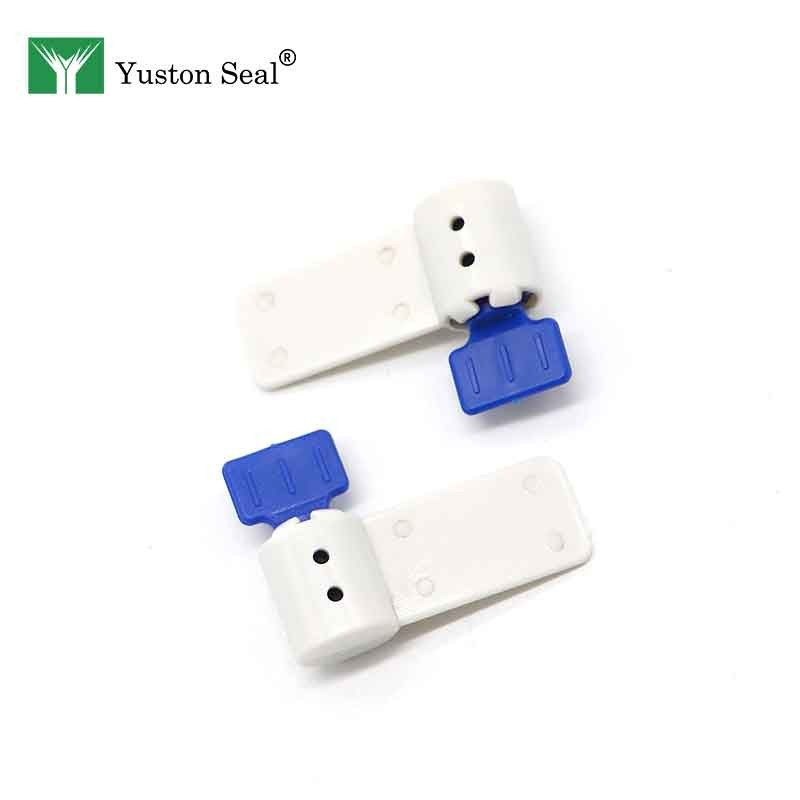
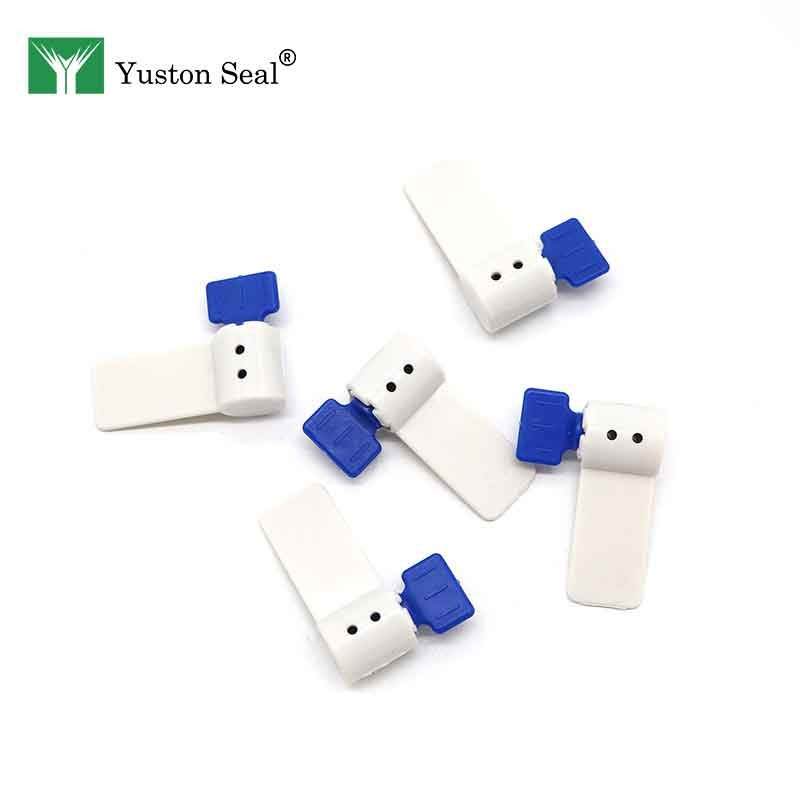
Plastic Meter Security Seals are lightweight and cost-effective. They are often used in a variety of metering applications, including water and gas meters. These seals usually come with a simple locking mechanism that can be easily engaged without the need for special tools. In most cases, the user can simply insert the seal through the designated holes on the meter and snap it into place.
3. Barcode Twist Meter Seal
The Barcode Twist Meter Seal combines the functionality of a twist seal with the added benefit of barcode tracking. This type of seal is commonly used in applications where it is necessary to track and monitor the status of the seal. Similar to the electric twist meter seal, the barcode twist meter seal can be installed by hand without the need for special tools. The user simply twists the seal onto the meter, and the barcode can be scanned for identification and tracking purposes.
Advantages of Seals That Do Not Require Special Tools
Seals that do not require special tools for installation offer several advantages for both suppliers and end-users:
1. Ease of Installation
One of the primary advantages is the ease of installation. Without the need for special tools, end-users can quickly and easily install the seals themselves, reducing the need for professional installation services. This not only saves time but also reduces costs associated with installation.
2. Cost-Effectiveness
Seals that do not require special tools are generally more cost-effective. There is no need to invest in expensive installation equipment, which can significantly reduce the overall cost of the sealing solution. This makes them an attractive option for budget-conscious customers.
3. Versatility
These seals can be installed in a variety of locations and under different conditions. Since they do not rely on special tools, they can be easily installed in hard-to-reach areas or in situations where it may be difficult to use tools. This versatility makes them suitable for a wide range of applications.
Situations Where Special Tools May Be Required
While many security meter seals can be installed without special tools, there are some situations where special tools may be necessary:
1. High-Security Applications
In high-security applications, such as those in the financial or government sectors, special tools may be required to ensure a more secure installation. For example, some seals may require a torque wrench to ensure that the seal is tightened to a specific torque value, providing a higher level of security against tampering.
2. Large-Scale Installations
In large-scale installation projects, where a large number of seals need to be installed quickly and efficiently, special tools can be used to speed up the installation process. For example, automated sealing machines can be used to install seals in a matter of seconds, reducing the time and labor required for manual installation.
3. Seals with Complex Locking Mechanisms
Some security meter seals may have complex locking mechanisms that require special tools for installation. These seals are often designed to provide a higher level of security and may require specialized knowledge and equipment to install correctly.
Our Product Range and Installation Support
As a security meter seal supplier, we offer a wide range of seals that can be installed with or without special tools. Our product range includes Electric Twist Meter Seals, Plastic Meter Security Seals, and Barcode Twist Meter Seals, among others.
We understand that different customers have different needs and requirements. That's why we provide comprehensive installation support to our customers. Our team of experts can provide guidance on the best installation methods for each type of seal, and we can also offer training on how to use any special tools that may be required.
Conclusion
In conclusion, not all security meter seals require special tools for installation. Many seals, such as electric twist meter seals, plastic meter security seals, and barcode twist meter seals, can be easily installed by hand without the need for special tools. These seals offer several advantages, including ease of installation, cost-effectiveness, and versatility.
However, there are some situations where special tools may be required, such as in high-security applications, large-scale installations, or when using seals with complex locking mechanisms. As a security meter seal supplier, we offer a wide range of products to meet the diverse needs of our customers, and we provide comprehensive installation support to ensure that our customers can install our seals correctly and efficiently.
If you are interested in purchasing security meter seals or have any questions about installation, please feel free to contact us. We look forward to working with you to provide the best sealing solutions for your needs.
References
- "Handbook of Meter Seals and Their Applications" - Published by the International Metering Association
- "Best Practices for Meter Seal Installation" - A white paper by the Metering Technology Institute