

Can animal ear tags be used for deer? That's a question I've been getting a lot lately as an animal ear tag supplier. In this blog, I'll dive deep into this topic, sharing some insights based on my experience in the industry.
First off, let's talk about what animal ear tags are. Ear tags are small devices that are attached to an animal's ear. They're commonly used for identification purposes. You've probably seen them on cows or sheep. For example, the Cow Number Tags are used to keep track of individual cows in a herd. Similarly, Sheep And Goat Ear Tags help farmers manage their flocks.
Now, when it comes to deer, using ear tags is a bit more complicated than for domestic livestock. Deer are wild or semi - wild animals, and there are several factors to consider before deciding if ear tags are a good option.
One of the main reasons for tagging deer is for research and conservation purposes. Scientists often want to track the movement, behavior, and population dynamics of deer. By using ear tags, they can identify individual deer and gather valuable data over time. For instance, if a particular deer has a unique tag number, researchers can record when and where it's been spotted, which can help in understanding its migration patterns or home range.
But there are also some challenges. Deer have different physical characteristics compared to cows or sheep. Their ears are more mobile and sensitive. An ill - fitting ear tag can cause discomfort or even injury to the deer. It's crucial to use tags that are specifically designed for deer or at least can be adapted to their needs. As an animal ear tag supplier, I've seen cases where tags that work well for other animals just don't cut it for deer.
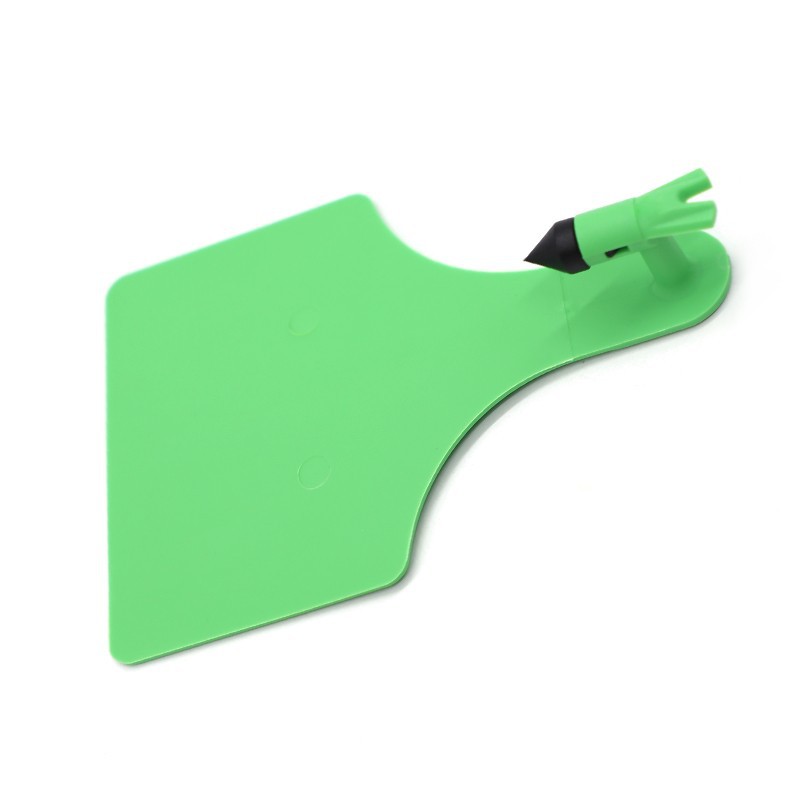
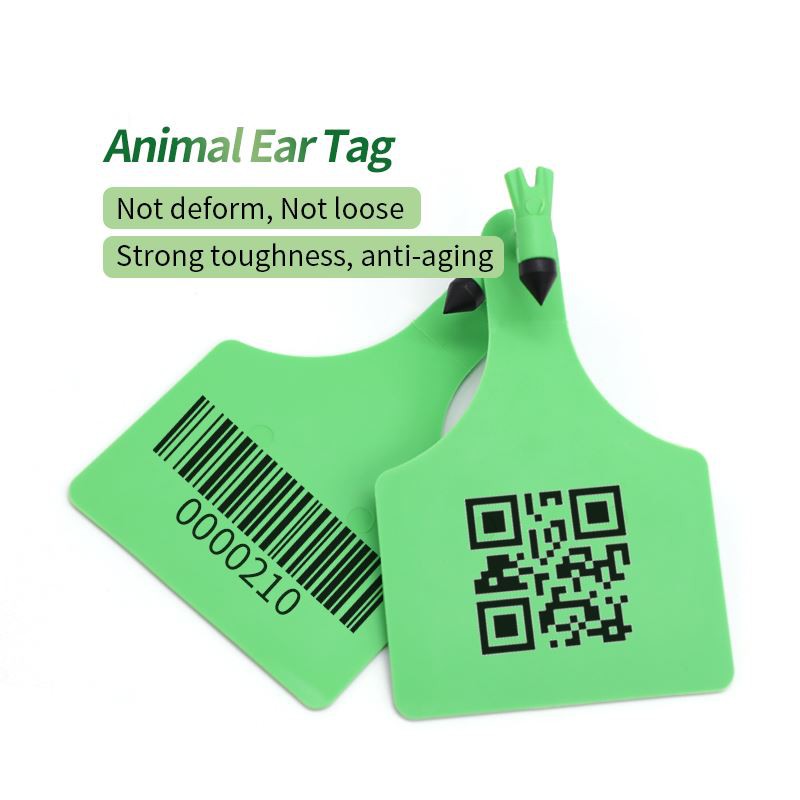
The material of the ear tag is also a big deal. Deer are constantly moving through dense vegetation and rough terrain. A tag made of a brittle or easily breakable material won't last long. It might get caught on branches and tear off, or it could simply break under the pressure. We need tags that are durable, flexible, and lightweight. Some of the Ear Tag options we offer are made from high - quality, resilient materials that can withstand the rigors of a deer's environment.
Another aspect to think about is the legal and ethical implications. In many areas, there are strict regulations regarding the tagging of wild animals like deer. You can't just go out and tag deer whenever you feel like it. Researchers and wildlife managers need to obtain the necessary permits. This is to ensure that the tagging process doesn't cause unnecessary stress or harm to the deer population. As a supplier, I always make sure to educate my customers about these regulations. If you're planning to tag deer, it's your responsibility to follow the law.
Now, let's talk about the types of information that can be put on a deer ear tag. Just like with other animals, the most basic information is a unique identification number. This number can be used to keep records in a database. But some advanced ear tags can also include other details. For example, you could have a tag with a QR code that, when scanned, provides more in - depth information about the deer, such as its age, sex, and any previous health records if available.
When it comes to the application process, it's not as straightforward as tagging a domestic animal. Catching and handling deer safely is a skill in itself. Specialized equipment and techniques are required to minimize stress on the deer. And during the tagging process, it's important to be as quick and gentle as possible. A poorly executed tagging can lead to the deer being more wary of humans in the future, which can disrupt research efforts.
As an ear tag supplier, I've worked with a variety of customers, from small - scale wildlife enthusiasts to large - scale research institutions. I understand that each situation is unique. Some customers are looking for simple, cost - effective tags for short - term studies, while others need more advanced, long - lasting tags for long - term research projects.
In my experience, there's definitely a market for deer ear tags. And as technology advances, we're seeing more innovative solutions. For example, there are now electronic ear tags that can transmit data wirelessly. These tags can provide real - time information about the deer's location, activity level, and even its health status. However, these high - tech tags are usually more expensive and require more sophisticated infrastructure to support them.
So, can animal ear tags be used for deer? The answer is yes, but with a lot of considerations. If you're in the business of deer research or management, it's important to choose the right ear tags for the job. As a supplier, I'm here to help you make the best decision. I can offer advice on the right type of tag, the best material, and the proper application process.
If you're interested in purchasing ear tags for deer or have any questions about our products, don't hesitate to reach out. We're always happy to have a chat and discuss your specific needs. Whether you're a seasoned researcher or just starting out in the world of deer management, we can provide you with the high - quality ear tags you need.
References
- Various wildlife research papers on deer tagging and management
- Industry guidelines on wild animal tagging regulations