

Hey there! As a supplier of Livestock Ear Tags, I've been diving deep into the world of ear tags for livestock. Today, I wanna chat about how biodegradable ear tags are a game - changer for the environment.
The Current Situation of Traditional Ear Tags
First off, let's talk about the problems with traditional ear tags. Most of the ear tags out there are made from non - biodegradable materials like plastics. These tags stick around in the environment for ages. When livestock shed their ear tags or they end up in the fields after the animal's life, they become a long - term pollutant.
Plastic ear tags don't break down easily. They can get into the soil, where they may release harmful chemicals over time. These chemicals can contaminate the soil, affecting its fertility and the health of plants that grow in it. In water bodies, if these tags find their way there, they can harm aquatic life. Fish and other organisms might mistake the small plastic pieces for food, which can lead to internal blockages and even death.
How Biodegradable Ear Tags Work
Biodegradable ear tags, on the other hand, are made from materials that nature can break down. They're typically crafted from things like plant - based polymers, natural fibers, or other organic compounds.
When a biodegradable ear tag is discarded in the environment, microorganisms in the soil or water start to work their magic. They break down the tag into simpler substances like water, carbon dioxide, and biomass. This process is much faster compared to non - biodegradable tags.
For example, a plastic ear tag could take hundreds of years to decompose, while a well - made biodegradable ear tag might break down within a few months to a couple of years, depending on the specific material and environmental conditions.
Benefits for the Soil
One of the major environmental benefits of biodegradable ear tags is their positive impact on the soil. As they break down, they add organic matter to the soil. This organic matter is like food for the soil microbes. It helps improve the soil structure, making it more porous and better at holding water.
Healthy soil is crucial for agriculture. With improved soil quality, crops can grow better. The nutrients released during the decomposition of biodegradable ear tags can also be absorbed by plants, reducing the need for synthetic fertilizers. This not only saves money for farmers but also reduces the environmental impact associated with the production and use of chemical fertilizers.
Impact on Wildlife
Wildlife is also a big winner when it comes to biodegradable ear tags. As I mentioned earlier, non - biodegradable tags can be a hazard to animals. Biodegradable tags eliminate this risk.
Animals won't be at risk of ingesting non - digestible plastic materials. Birds, small mammals, and insects that live in or around livestock areas are safer. This helps maintain the balance of the local ecosystem. For instance, if a small rodent accidentally eats a plastic ear tag piece, it could face serious health problems. But with biodegradable tags, this risk is removed.
Reducing Carbon Footprint
The production of biodegradable ear tags generally has a lower carbon footprint compared to traditional plastic tags. The materials used in biodegradable tags often come from renewable sources. For example, plant - based polymers are made from crops like corn or sugarcane.
These crops absorb carbon dioxide from the atmosphere during their growth. So, when we use them to make ear tags, we're essentially locking up that carbon. And when the tags decompose, the carbon is released back into the environment in a natural and balanced way.
In contrast, the production of plastic ear tags involves the extraction and processing of fossil fuels, which releases large amounts of greenhouse gases into the atmosphere. By choosing biodegradable ear tags, we can contribute to reducing the overall carbon emissions associated with livestock management.
Specific Types of Biodegradable Ear Tags for Different Livestock
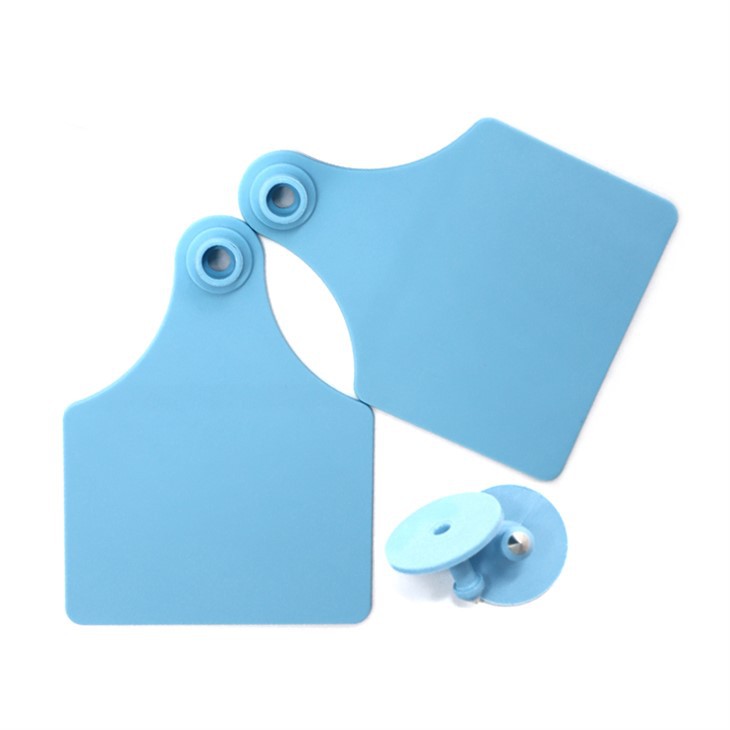
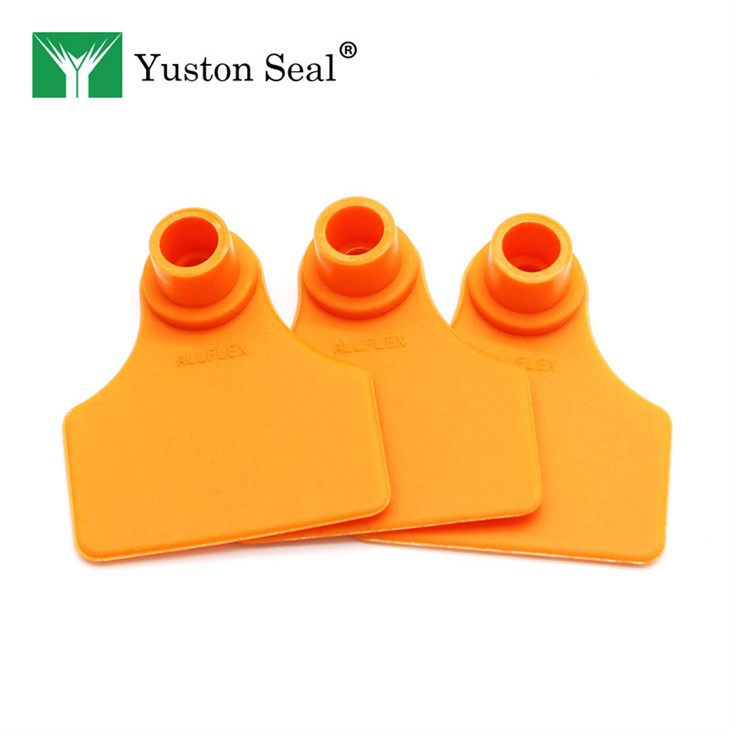
We offer a range of biodegradable ear tags for different types of livestock. For sheep and goats, our Sheep And Goat Ear Tags are designed to be lightweight and durable. They're made from materials that are gentle on the animal's ears but still strong enough to withstand the rigors of daily life in the pasture.
For cows, our Cow Number Tags are larger and more robust. They're printed with clear numbers and markings, making it easy for farmers to identify their cows. And of course, they're biodegradable, so they won't cause any long - term environmental damage.
Encouraging Sustainable Livestock Management
As a supplier, I believe that promoting the use of biodegradable ear tags is an important step towards sustainable livestock management. Farmers are becoming more aware of the environmental impact of their practices, and biodegradable ear tags are a simple yet effective way to make a positive change.
By using these tags, farmers can show that they care about the environment. It can also improve their public image, as consumers are increasingly looking for products from sustainable and environmentally - friendly farms.
Why You Should Choose Our Biodegradable Ear Tags
Our biodegradable ear tags are not only good for the environment but also reliable. We've conducted extensive testing to ensure that they can withstand the harsh conditions of livestock farming. They're resistant to fading, so the numbers and markings stay clear for a long time.
We also offer customizable options. Whether you need a specific size, color, or logo on your ear tags, we can make it happen. This allows farmers to have a unique and professional way of identifying their livestock.
Let's Connect
If you're interested in learning more about our biodegradable ear tags or are ready to make a purchase, I'd love to hear from you. Biodegradable ear tags are the future of livestock management, and I'm excited to be a part of this sustainable movement. Contact us today to start a conversation about how these tags can benefit your farm and the environment.
References
- "Environmental Impact of Plastic Waste in Agriculture", Journal of Agricultural Ecology
- "Biodegradable Polymers for Sustainable Packaging", International Journal of Polymer Science
- "Sustainable Livestock Management Practices", Livestock Research Quarterly