

Testing the strength of meter seals is crucial, especially for a supplier like me. Meter seals play a vital role in ensuring the integrity and security of meters, whether they're for electricity, gas, or other utilities. In this blog, I'll share some practical ways to test the strength of these seals.
Understanding Meter Seals
First off, let's talk about what meter seals are. There are different types, like Electric Meter Box Seal, Electric Twist Meter Seal, and Gas Meter Seal. These seals are designed to prevent unauthorized access to meters. If a seal is broken or tampered with, it's a clear sign that something might be wrong.
Tensile Strength Testing
One of the most common ways to test the strength of meter seals is by checking their tensile strength. Tensile strength refers to the maximum amount of pulling force a seal can withstand before it breaks.
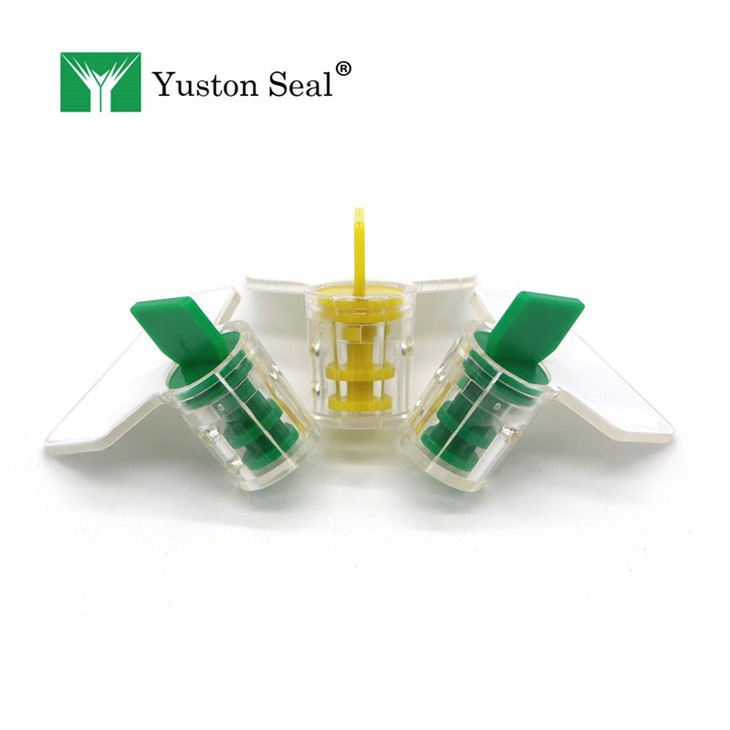
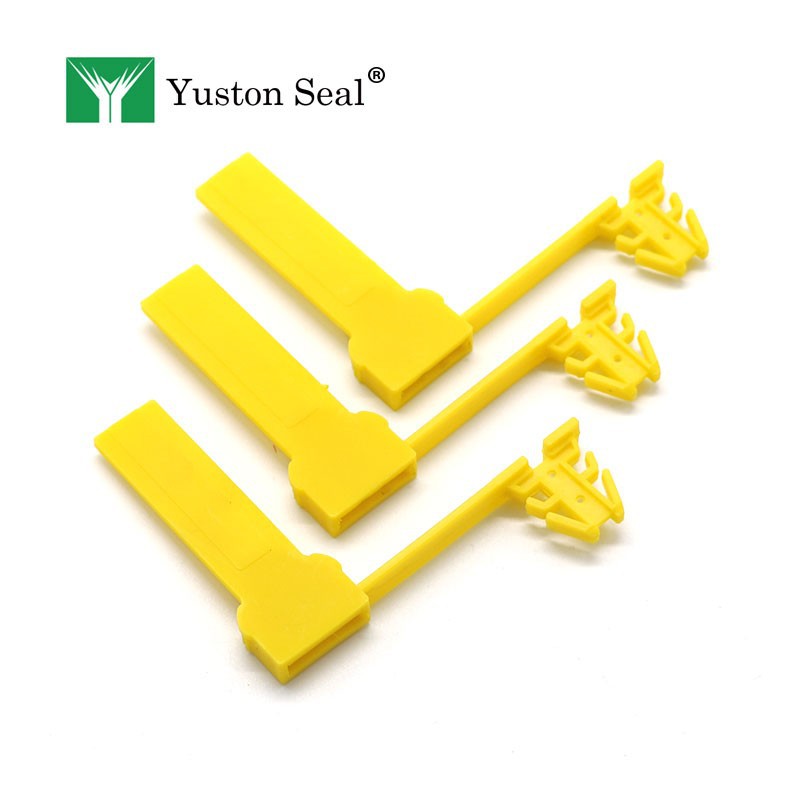
To conduct a tensile strength test, you'll need a few tools. A tensile testing machine is ideal, but if you don't have one, you can use a simple setup with weights and a pulley system. First, securely attach the meter seal to the testing device. Then, gradually apply a pulling force. You can do this by adding weights to one end of the pulley system. As you add more weights, keep an eye on the seal. Note the weight at which the seal finally breaks. This weight represents the approximate tensile strength of the seal.
It's important to test multiple samples of the same type of seal. Different manufacturing batches might have slight variations in strength. By testing several seals, you can get a more accurate idea of the overall strength of your product.
Shear Strength Testing
Shear strength is another important aspect to consider. Shear strength measures how well a seal can resist forces that try to cut or slice through it.
To test shear strength, you can use a shear testing fixture. Place the meter seal in the fixture, making sure it's held firmly. Then, apply a cutting or shearing force to the seal. You can use a sharp blade or a specially designed shear tool. Slowly increase the force until the seal fails. Record the force required to break the seal.
Shear strength testing is especially important for seals that might be exposed to sharp objects or cutting forces in real - world situations. For example, if a meter is located in an area where it could be accidentally cut by tools during maintenance work, a high - shear - strength seal is essential.
Environmental Resistance Testing
Meter seals are often exposed to various environmental conditions. They need to maintain their strength even when faced with extreme temperatures, humidity, and chemicals.
Temperature Testing
To test the effect of temperature on seal strength, you can use a temperature - controlled chamber. Place the meter seals inside the chamber and set the temperature to extreme levels. For example, you can test at very low temperatures, say - 20°C, and very high temperatures, like 60°C. Keep the seals in the chamber for a certain period, usually 24 to 48 hours. After that, remove the seals and immediately test their tensile or shear strength.
You might find that the strength of the seals changes at different temperatures. Some materials might become more brittle at low temperatures, while others could lose their elasticity at high temperatures. By understanding how temperature affects seal strength, you can ensure that your seals will perform well in different climates.
Humidity Testing
Humidity can also have an impact on the strength of meter seals. To test the effect of humidity, you can use a humidity - controlled chamber. Set the chamber to a high humidity level, around 90% relative humidity. Place the seals inside and leave them for a few days.
High humidity can cause some materials to swell or degrade over time. After the humidity exposure, test the seals' strength. You might notice a decrease in strength if the seal material is not resistant to moisture.
Chemical Resistance Testing
Meter seals could come into contact with various chemicals, such as cleaning agents or industrial pollutants. To test chemical resistance, you can soak the seals in different chemical solutions for a specific period. Common chemicals to test include acids, alkalis, and solvents.
After soaking, rinse the seals thoroughly and dry them. Then, test their strength. If the seal's strength is significantly reduced after chemical exposure, it might not be suitable for use in environments where it could come into contact with those chemicals.
Visual Inspection
While strength testing is important, visual inspection shouldn't be overlooked. Before and after strength testing, carefully examine the seals. Look for any signs of damage, such as cracks, scratches, or uneven surfaces.
A seal with visible damage might have a reduced strength, even if it passes the strength tests. During visual inspection, pay attention to the details. Check the quality of the printing on the seal, if there is any. Faded or smudged printing could indicate a problem with the manufacturing process, which might also affect the seal's overall quality and strength.
Documentation and Quality Control
Throughout the testing process, it's essential to keep detailed records. Document the test results for each seal, including the type of test, the force applied, and the outcome. This documentation is valuable for several reasons.
First, it helps you identify any quality issues. If you notice a pattern of low - strength seals in a particular batch, you can investigate the manufacturing process to find the cause. Second, it provides evidence of the quality of your products to your customers. When customers ask about the strength of your meter seals, you can show them the test results.
Quality control is an ongoing process. Regularly test your meter seals to ensure that the strength remains consistent over time. As you make improvements to your manufacturing process or switch to different materials, conduct new tests to verify the strength of the updated products.
Conclusion
Testing the strength of meter seals is a multi - step process that involves various types of tests. By conducting tensile strength, shear strength, environmental resistance, and visual inspections, you can ensure that your meter seals are of high quality and can withstand real - world challenges.
As a meter seal supplier, it's my responsibility to provide reliable products to my customers. By thoroughly testing the strength of my seals, I can guarantee that they'll perform well in different applications. Whether it's an Electric Meter Box Seal, an Electric Twist Meter Seal, or a Gas Meter Seal, I'm committed to delivering products that meet the highest standards of strength and security.
If you're in the market for high - quality meter seals, I'd love to have a chat with you. I can provide you with detailed information about the strength testing of our products and how they can meet your specific needs. Feel free to reach out to discuss your requirements and explore potential business opportunities.
References
- ASTM International. (Year). Standard Test Methods for Tensile Properties of Plastics.
- ISO. (Year). International Standard for Shear Strength Testing of Sealing Materials.
- Industry Best Practices for Meter Seal Testing, Utility Industry Association.